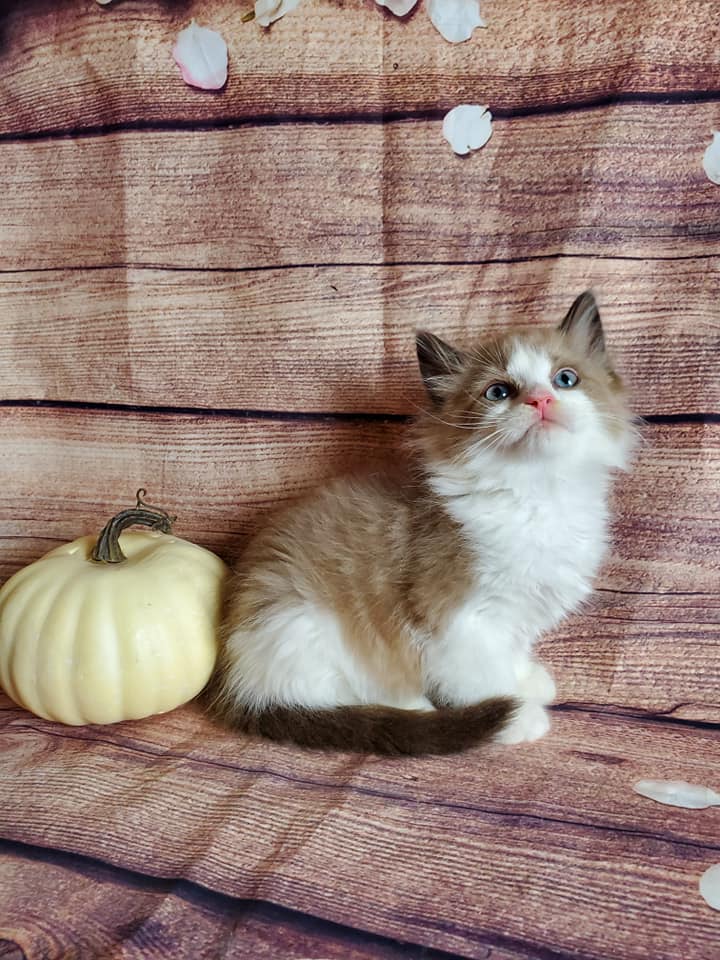
Understanding TICA Registration When Choosing A Ragdoll Kitten
Choosing a purebred Ragdoll kitten involves more than falling in love with a blue-eyed, affectionate cat. New adopters often encounter terms such as TICA registration, pedigree, cattery registration, and breeder paperwork without knowing how these details fit together.
TICA, short for The International Cat Association, is an international cat registry that records pedigrees, recognizes breeds, publishes breed standards, and supports responsible breeding practices. For a family considering a Ragdoll kitten, registration can provide useful background about ancestry and breed identity.
TICA registration is one part of a thoughtful adoption decision. It does not replace veterinary care, health screening, ethical breeding, or a written contract. Instead, it gives buyers a documented framework for understanding where a kitten comes from and what type of cat it is expected to become.
What TICA Registration Represents
A TICA-registered cattery has registered its breeding program or cats with The International Cat Association. This generally means the breeder maintains records that connect individual cats to their parents and earlier generations. Those records help establish that kittens are being represented as a recognized breed rather than simply as cats with a particular appearance.
Ragdolls are recognized by their distinctive body type, semi-long coat, colorpoint patterns, and generally gentle temperament. A pedigree can support a kitten’s purebred status by showing its lineage. It does not, however, guarantee a specific personality, adult size, exact coloring, or freedom from every possible health condition.
TICA also provides breed standards and registration services, while breeders remain responsible for daily care, socialization, veterinary oversight, and placement decisions. A reputable hobby cattery should be willing to explain how its cats are registered and how those records relate to the kitten being offered.
How A Cattery Uses TICA Records
Breeders typically register a litter or individual kittens through the registry and maintain documentation for each cat. Depending on the breeder’s arrangements, an adopter may receive a registration application, a pedigree, or other paperwork showing the kitten’s registered name and ancestry.
The paperwork may include terms that affect future breeding rights. A kitten sold as a loving pet may be placed with limited registration or with a contract requiring spay or neuter. These conditions protect the breeding program and help ensure that only cats meeting the breeder’s health, temperament, and conformation standards are used for reproduction.
Registration status should always be matched to the purchase contract. The contract should clearly state whether the kitten is sold as a pet, whether breeding is permitted, what documents are included, and what health guarantee applies. If the terminology is unclear, ask for an explanation before placing a deposit.
What Registration Means For A Ragdoll Kitten
A TICA-registered Ragdoll kitten has documented ancestry within the registry’s system. This can be valuable for families who want a verifiable purebred companion, a therapy cat with known lineage, or a cat that may participate in approved shows or future breeding under the right conditions.
Registration does not mean that TICA has personally examined every kitten or certified the cattery’s daily operations. It also does not serve as a substitute for a veterinary examination. Buyers should still review vaccination records, deworming information, microchip details when applicable, and the kitten’s health guarantee.
| Detail | What It Can Tell You | What It Does Not Guarantee |
|---|---|---|
| TICA cattery registration | The breeder is connected with a recognized cat registry | Perfect breeding practices or lifelong health |
| Pedigree | The kitten’s recorded ancestry and breed lineage | Exact adult appearance or temperament |
| Individual registration paperwork | The kitten’s identity within the registry | That the kitten has passed every health screening |
| Limited registration or pet contract | Breeding or showing rights may be restricted | That the kitten will be less affectionate or healthy |
| Health records | Care received before adoption | Protection from every future illness |
Health Screening Still Matters
Responsible Ragdoll breeding places strong emphasis on health. Ragdolls can be affected by inherited conditions, including hypertrophic cardiomyopathy, commonly called HCM. A breeder may use DNA testing, veterinary evaluations, echocardiograms, or a combination of methods to reduce risk within a breeding program.
A well-managed cattery may also screen for infectious diseases such as FIV and FeLV and monitor for feline heartworm disease according to veterinary guidance. These tests and preventive measures are separate from TICA registration. A registered pedigree cannot confirm that a kitten or its parents are free from illness.
Ask to see clear, current health information for the parents when it is available. It is also important to learn how kittens are examined, vaccinated, socialized, and prepared for transition. At Ragdoll Kittens Cattery, kittens are raised indoors in a cage-free family environment and handled daily, supporting early familiarity with ordinary household interaction.
Documents To Review Before Adoption
Before adopting, look for consistency between the kitten’s name, date of birth, parents, registration information, and veterinary records. The breeder should explain which papers will be provided at pickup or after the kitten is altered, if registration depends on spay or neuter.
A written agreement should cover the kitten’s health guarantee, return policy, vaccination schedule, feeding guidance, and any restrictions on breeding or transfer. It should also identify what happens if a serious inherited condition is diagnosed. Clear documentation protects both the kitten and the adopter.
Practical Checks For New Adopters
- Verify that the cattery’s TICA affiliation and registered names are explained clearly.
- Request the kitten’s pedigree or registration application and compare it with the contract.
- Review parent health screening, especially information related to HCM and infectious diseases.
- Confirm vaccination, deworming, veterinary examination, and socialization records.
- Choose a breeder who remains available with guidance after the kitten joins your home.
Why Early Socialization Complements Registration
Pedigree records describe lineage, while daily handling helps shape a kitten’s comfort with people and household life. Ragdolls are often known for their affectionate, adaptable nature, but each kitten is still an individual. Gentle handling, safe exploration, litter training, and age-appropriate interaction can make the transition to a new family smoother.
For families seeking a companion or therapy cat, temperament and early experiences deserve as much attention as registration paperwork. A breeder should discuss how kittens respond to handling, sounds, visitors, grooming, and routine care rather than relying on breed reputation alone.
TICA registration offers helpful evidence of ancestry and breed identity, but the strongest adoption picture combines pedigree, health records, responsible care, and an honest relationship with the cattery. Contact Ragdoll Kittens Cattery to learn about available Ragdoll kittens, their documentation, health preparation, and the adoption process.