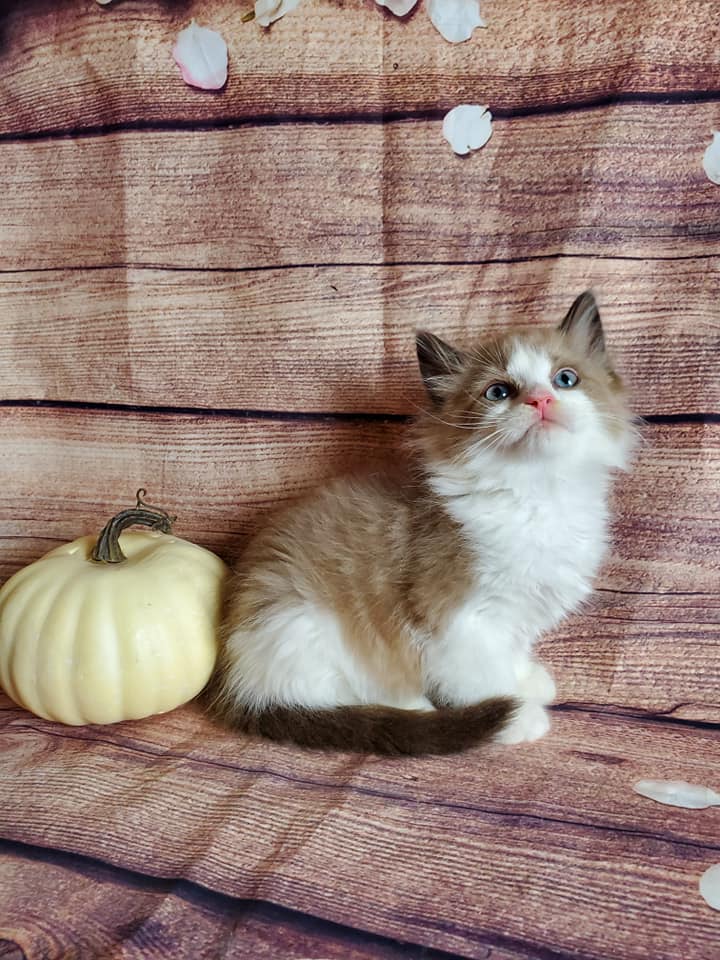
Building a safe outdoor catio for your indoor Ragdoll
A secure catio can give an indoor Ragdoll fresh air, sunshine, and enriching views without exposing your cat to traffic, predators, contagious disease, or the risks of roaming. For a breed known for its gentle temperament and trusting nature, controlled outdoor access is especially important.
Ragdolls are often relaxed, people-oriented cats that may not respond quickly to danger. Their soft coats and calm behavior can also make them less prepared for harsh weather or confrontations with other animals. A well-planned enclosure creates an outdoor retreat while preserving the safety of indoor living.
The best design connects to the home and supports supervised, voluntary access. Your cat should be able to return inside at any time, and the enclosure should be comfortable in Montana’s changing seasons.
Choose a secure location
Place the catio against a quiet side of the house, screened porch, or another area close to a frequently used interior room. A direct cat door is convenient, but it should lead into a secure transition space rather than opening straight into an exposed yard. Keep the enclosure away from gates, driveways, compost areas, and plants treated with pesticides.
Consider sun, wind, snow, and drainage before building. Morning or filtered sunlight can be pleasant, while some afternoon shade helps prevent overheating. In Helena and other parts of Montana, strong winter winds and accumulating snow require sturdy construction and a roof that will not collapse under weight.
The structure should sit on a stable surface that cannot be pushed, dug under, or lifted by wildlife. A raised deck, enclosed patio, or sealed concrete pad may be easier to protect than bare soil.
Build against escapes and predators
Use welded wire mesh or strong cat-safe screening rather than ordinary window screen. The openings should be small enough to prevent a Ragdoll’s head or paw from becoming trapped and strong enough to resist raccoons, dogs, and other wildlife. Fasten every panel securely to a frame, with no loose corners or gaps along the base.
A roof is essential. It prevents climbing escapes and protects against birds of prey, falling branches, snow, and direct sun. For a walk-in catio, install a self-closing door and consider a double-door entry so the cat cannot slip past someone entering or leaving.
Inspect the perimeter regularly. Ragdolls are not known for athletic independence, but any cat can exploit a loose latch or damaged mesh. Check door hardware, roof seams, floor edges, and areas where the catio joins the house after storms and seasonal temperature changes.
Make the space comfortable and stimulating
Create several levels with wide, stable shelves rather than narrow ledges. Ragdolls are generally large, substantial cats, so platforms must support their weight without wobbling. Add a scratching post, a washable bed, and a sheltered hideaway where your cat can retreat when startled.
A catio is more engaging when it offers safe sensory variety. Place perches near a window, provide sturdy toys, and add untreated branches or cat-safe climbing structures. Rotate toys to keep the environment interesting, and avoid strings or small parts that could be swallowed when no one is supervising.
Choose plants carefully. Cat grass and pesticide-free herbs may be suitable, but lilies are highly toxic to cats, and many ornamental plants can cause illness. Use heavy planters that cannot tip over and remove standing water, which can attract insects and become contaminated.
Plan for Montana weather
A three-season enclosure may be adequate in mild weather, but an insulated retreat is valuable in a region with freezing temperatures. Include a dry, wind-protected sleeping area with a raised floor. Outdoor-rated materials should resist moisture, and soft bedding should stay dry and be replaced when damp.
During summer, provide shade, ventilation, and fresh water in a stable bowl. Never rely on the catio as a place to leave a cat during extreme heat. On cold, smoky, or stormy days, keep the Ragdoll indoors and close the access door.
| Catio feature | Safety purpose | Practical choice |
|---|---|---|
| Reinforced mesh | Prevents escape and wildlife entry | Small-opening welded wire or durable pet screening |
| Solid roof | Blocks predators, snow, and sun | Weather-resistant panels with secure framing |
| Double-door entry | Reduces door-dashing | Small vestibule with self-closing doors |
| Raised platforms | Adds exercise and observation | Wide shelves rated for a large cat |
| Insulated shelter | Protects from wind and cold | Dry hideaway with washable bedding |
| Secure flooring | Prevents digging and contamination | Sealed deck, concrete, or enclosed base |
Protect health before outdoor access
Even a fully enclosed catio introduces contact with insects, pollen, and surfaces that may carry parasites. Ask your veterinarian whether your Ragdoll’s vaccinations, parasite prevention, and identification are appropriate for the planned access. Routine wellness care should include discussion of fleas, ticks, intestinal parasites, and regional disease risks.
Health screening is also part of responsible lifelong care. Ragdoll families should pay attention to inherited conditions and maintain veterinary records, including any recommended cardiac monitoring. A cat that appears healthy can still need regular examinations before changes in lifestyle.
Do not allow contact with neighborhood cats through the mesh. Nose-to-nose exposure can spread respiratory infections and increase stress. If your catio connects to a multi-cat household, keep the access area clean and monitor all cats for signs of illness.
Introduce the catio gradually
Begin with short, calm sessions while you remain nearby. Open the indoor door and allow your Ragdoll to investigate at its own pace. Treats, familiar bedding, and a favorite toy can make the new area feel secure, but never force a hesitant cat outside.
Watch body language during every early visit. Flattened ears, crouching, rapid breathing, repeated attempts to return indoors, or hiding may indicate that the environment is overwhelming. Shorter sessions and more shelter can help, while some cats may prefer a screened window or porch instead of a larger outdoor enclosure.
Once your cat is comfortable, establish a routine for checking the door, scanning the enclosure, and supervising outdoor time. Keep a carrier nearby in case of injury, sudden weather, or an unexpected animal nearby.
Prepare a practical catio checklist
Before your Ragdoll’s first outdoor visit, review the essentials:
- Secure every seam, latch, roof edge, and floor connection.
- Remove toxic plants, sharp objects, chemicals, and unstable decorations.
- Add shade, a sheltered resting area, fresh water, and sturdy perches.
- Confirm veterinary care, identification, vaccinations, and parasite prevention.
- Start with supervised sessions and keep indoor access available.
A thoughtful enclosure should be easy to clean and inspect. Choose surfaces that tolerate disinfecting, place litter facilities indoors whenever possible, and remove waste promptly. A clean, calm space is more inviting and reduces preventable health concerns.
Create an enriching extension of home
A catio works best as an extension of a safe indoor lifestyle, not a replacement for companionship. Spend time with your Ragdoll there, observe preferences, and adjust the layout as your cat grows or becomes less agile. The enclosure should offer choice: climbing, watching, resting, or returning inside.
If you are preparing for a Ragdoll kitten, learn about the breed’s temperament, expected size, health care, and social needs before choosing access equipment. Ragdoll Kittens Cattery provides breed information and supports families seeking well-socialized companions raised in a caring home environment.
Build carefully, introduce the space patiently, and make safety checks part of your routine. With the right design, your indoor Ragdoll can enjoy fresh air and enriching outdoor views while remaining protected from the hazards of free roaming. Explore responsible Ragdoll care resources and prepare a secure home environment before welcoming your new companion.