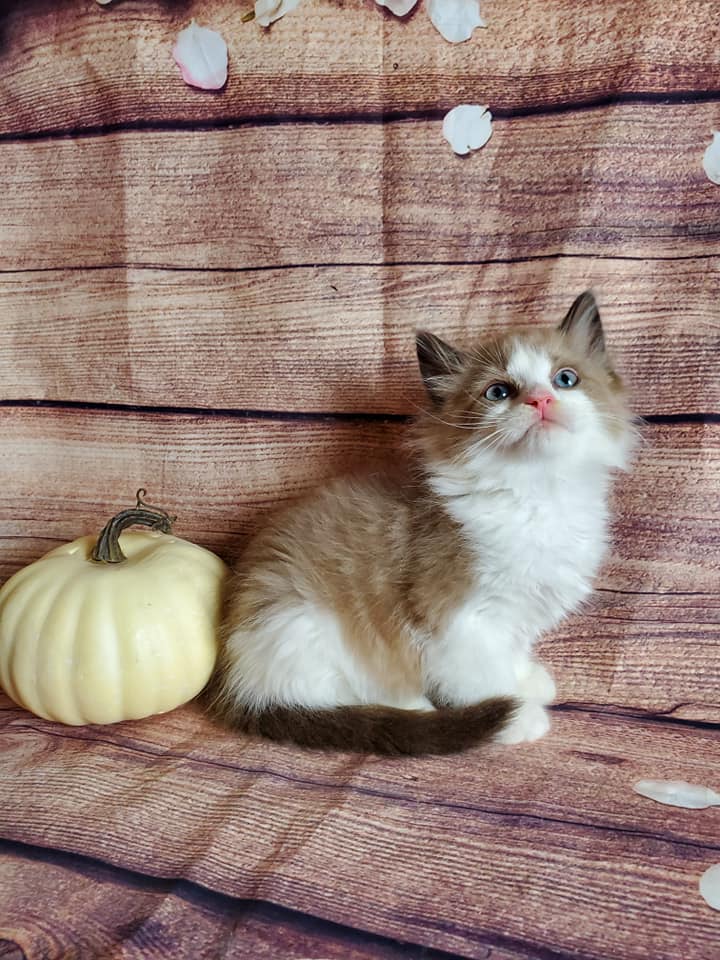
Choosing the Right Cat Food for a Growing Ragdoll Kitten
Ragdoll kittens grow into large, slow-maturing cats, so their nutritional needs extend well beyond the first few months. A suitable diet supports steady development, strong bones, healthy muscles, a glossy coat, and reliable energy for play and learning.
Food quality matters, but so do feeding habits. The best choice is a complete kitten formula offered in appropriate portions, introduced gradually, and adjusted as your kitten develops. Fresh water, regular veterinary care, and close attention to body condition are equally important.
At Ragdoll Kittens Cattery in Helena, Montana, kittens are raised indoors in a family environment and handled daily. That early routine makes mealtimes a useful opportunity to build confidence, observe appetite, and establish healthy feeding patterns before adoption.
Match Food To Kitten Growth
Choose food labeled as complete and balanced for kittens or for growth and reproduction. In the United States, an AAFCO nutritional adequacy statement is a helpful starting point because it confirms that the formula is intended to meet established nutrient standards.
Ragdolls may continue filling out for several years, but that does not mean they need unlimited calories. Rapid weight gain can place unnecessary strain on developing joints. Follow the feeding guide as a starting point, then adjust portions according to your veterinarian’s advice, activity level, and body condition.
A kitten should have visible energy, a soft waist behind the ribs, and ribs that can be felt under a light layer of tissue. A round, firm belly or difficulty feeling the ribs may indicate overfeeding rather than healthy growth.
Understand The Nutrition Label
Animal-based protein should be prominent in a kitten’s diet. Ingredients such as chicken, turkey, beef, fish, or another named meat can provide amino acids needed for muscle development. Taurine is especially important for cats and should be included in a complete commercial formula.
Healthy fats supply concentrated energy and support skin, coat, and brain development. Look for a food that provides appropriate levels of essential fatty acids, including omega-3 and omega-6 fats. Carbohydrates are not automatically harmful, but the overall recipe should prioritize feline nutritional needs.
Calcium and phosphorus must be balanced for proper skeletal growth. Avoid adding bone meal, calcium powder, vitamins, or other supplements unless a veterinarian specifically recommends them. Excess supplementation can create nutritional imbalances during a sensitive growth stage.
Compare Wet, Dry, And Mixed Feeding
Wet kitten food provides moisture and is often appealing to young cats. Its soft texture can be helpful during weaning, and the added water may support hydration. Dry kibble is convenient, easy to measure, and useful for families that need a practical feeding routine.
Many kittens do well with a combination of wet and dry food. Mixing formats can broaden texture preferences and make future dietary changes easier. However, calories from both foods count toward the daily total, so portions should be measured rather than offered freely without limits.
| Food format | Potential benefits | Points to watch |
|---|---|---|
| Wet kitten food | High moisture, soft texture, strong palatability | Spoils quickly after serving and may cost more |
| Dry kitten food | Convenient, easy to portion, simple to store | Lower moisture and easy to overfeed |
| Mixed feeding | Combines hydration, variety, and convenience | Requires careful calorie tracking |
Serve wet food in clean bowls and refrigerate opened portions according to the package guidance. Fresh water should always be available, preferably in several quiet locations away from litter boxes.
Build A Consistent Feeding Routine
Young kittens generally benefit from several small meals each day rather than one or two large servings. A predictable schedule can support digestion and help you notice changes in appetite. Measured meals also make it easier to monitor how much a growing Ragdoll is actually eating.
Use shallow, clean dishes that do not crowd the kitten’s whiskers. Feed in a calm area where the kitten can eat without competition from other pets. If multiple cats share a home, individual bowls and separated feeding spaces can prevent one kitten from eating another’s portion.
Treats should remain a small part of the daily diet. Choose kitten-appropriate treats and reduce meal portions slightly when treats are offered regularly. Never use seasoned human foods, onions, garlic, chocolate, grapes, raisins, alcohol, or products containing xylitol.
Change Food Gradually
Even a nutritious formula may cause digestive upset if introduced too quickly. When changing food after adoption or moving from a cattery diet, mix a small amount of the new food with the familiar recipe. Increase the new proportion over approximately seven to ten days if stools remain normal.
A simple transition may begin with mostly familiar food and a small portion of the new formula. Continue increasing the new food every few days until the change is complete. Sensitive kittens may need a slower schedule.
Monitor stool consistency, appetite, energy, vomiting, and coat condition. Persistent diarrhea, repeated vomiting, refusal to eat, lethargy, or sudden weight loss warrants prompt veterinary attention. Do not assume that every digestive problem is caused by food; parasites, infection, stress, and other conditions can produce similar signs.
Make The Feeding Plan Individual
There is no single best brand for every Ragdoll kitten. The right choice depends on age, size, activity, health history, preferences, and how well the kitten maintains a healthy body condition. Your veterinarian can help compare formulas and determine whether a kitten should remain on a standard growth diet or use a therapeutic food.
Before bringing a kitten home, ask the cattery for the current food name, feeding schedule, serving size, and any known sensitivities. Keeping the same food for the first several days can reduce stress, while a gradual transition allows you to choose a different recipe thoughtfully.
Practical Feeding Priorities
- Select a complete and balanced food formulated for kitten growth.
- Measure daily portions instead of relying on an always-full bowl.
- Offer fresh water and consider including moisture-rich wet food.
- Weigh your kitten regularly and review growth with your veterinarian.
- Avoid raw diets, homemade recipes, and supplements without professional guidance.
A well-planned diet gives a Ragdoll kitten the foundation for a strong, active life, while consistent observation helps identify concerns early. Families preparing to adopt from Ragdoll Kittens Cattery can discuss current feeding practices, health screening, and individual kitten needs with the cattery before bringing their new companion home.