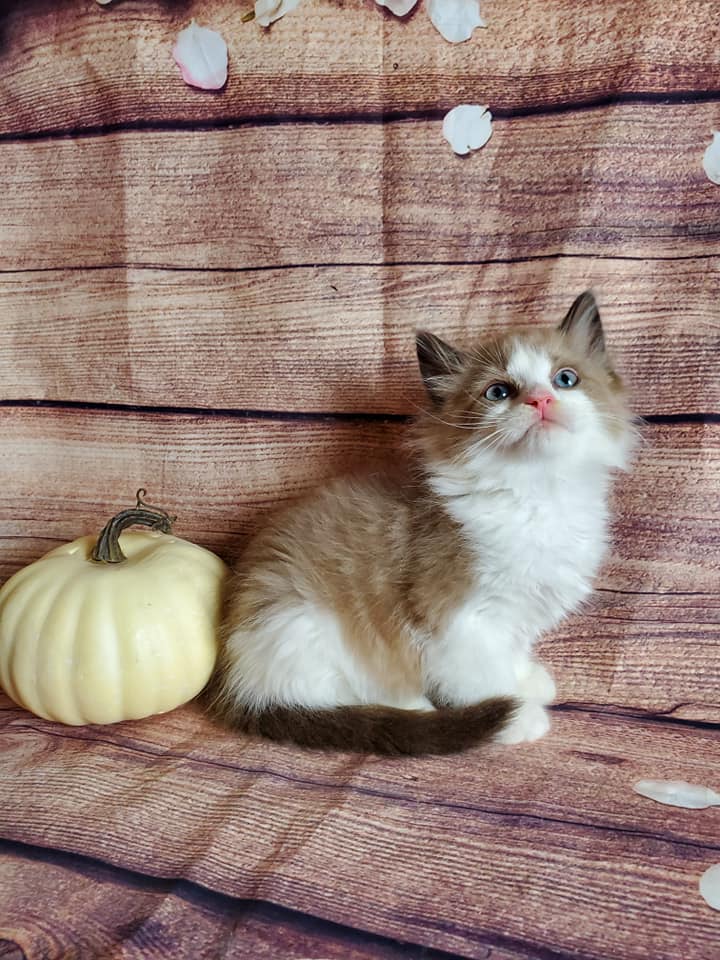
Common Health Issues In Ragdoll Cats And How To Prevent Them
Ragdoll cats are known for their gentle temperaments, striking blue eyes, and soft, color-pointed coats. Their calm nature can make changes in health difficult to notice, especially when a cat quietly adapts to discomfort. Preventive care and regular observation are essential for protecting a Ragdoll kitten or adult cat throughout its life.
Some conditions are linked to inherited risk, while others develop from nutrition, weight gain, dental neglect, parasites, or limited activity. Responsible breeding, appropriate screening, routine veterinary examinations, and a healthy home environment can reduce many avoidable problems.
Hypertrophic Cardiomyopathy And Heart Health
Hypertrophic cardiomyopathy, commonly called HCM, is one of the most important inherited concerns in Ragdolls. The heart muscle becomes abnormally thick, which may interfere with circulation and eventually lead to heart failure or blood clots. Some cats show no obvious signs until the disease is advanced.
Warning signs can include rapid breathing, weakness, fainting, reduced interest in play, or sudden hind-leg pain. A DNA test for the known Ragdoll HCM mutation can support breeding decisions, although genetic screening does not replace veterinary evaluation. Breeders may also use physical examinations and echocardiograms when appropriate.
Viral Diseases And Parasite Prevention
Feline immunodeficiency virus and feline leukemia virus can weaken a cat’s immune system and increase the risk of infections, anemia, and certain cancers. Testing is especially important for kittens and newly adopted cats, while vaccination and controlled exposure help reduce risk. Cats that go outdoors or live with cats of unknown status may need a more individualized prevention plan.
Feline heartworm disease is transmitted by mosquitoes and can affect indoor cats as well as outdoor cats. Respiratory distress, coughing, vomiting, or sudden lethargy may signal a serious problem, although some infected cats have few early symptoms. Ask a veterinarian about year-round parasite prevention suited to the cat’s age, weight, and lifestyle.
Weight, Joint, And Mobility Concerns
Ragdolls are large, slow-maturing cats, and their relaxed personalities can make them less active than highly energetic breeds. Free-choice feeding, frequent treats, and insufficient play may lead to obesity. Excess weight increases strain on the heart, joints, and respiratory system and can contribute to diabetes or difficulty grooming.
Offer measured portions of a complete diet and monitor body condition rather than relying only on a scale. Interactive toys, climbing areas, short play sessions, and food puzzles encourage movement without overwhelming a laid-back cat. A veterinarian can help establish a healthy growth rate for a kitten and a weight-loss plan for an overweight adult.
| Health concern | Signs to watch for | Helpful preventive steps |
|---|---|---|
| HCM | Fast breathing, weakness, collapse, sudden hind-leg pain | Genetic screening, veterinary exams, cardiac assessment when indicated |
| Dental disease | Bad breath, red gums, drooling, reluctance to eat | Daily brushing, dental checks, professional cleaning when needed |
| Obesity | Reduced mobility, difficulty grooming, weight gain | Measured meals, active play, regular body-condition checks |
| Urinary disease | Straining, frequent trips to the box, blood in urine | Hydration, clean litter boxes, prompt veterinary care |
| FIV or FeLV | Recurrent infections, weight loss, fever, poor coat | Testing, vaccination when appropriate, controlled contact |
| Heartworm disease | Coughing, breathing difficulty, vomiting, lethargy | Vet-approved mosquito and heartworm prevention |
Dental, Urinary, And Digestive Health
Dental disease is common in cats and may begin with plaque that hardens into tartar. Gingivitis, painful teeth, and oral infection can cause bad breath, drooling, pawing at the mouth, or a change in eating habits. Daily tooth brushing with feline toothpaste is the most effective home measure, while dental diets and treats may provide additional support.
Urinary problems can include bladder inflammation, crystals, stones, or obstruction. A male cat that repeatedly visits the litter box, strains, cries, or produces little urine needs emergency veterinary attention. Fresh water in several locations, wet food when suitable, clean litter boxes, and reduced household stress can support urinary tract health. Persistent vomiting or diarrhea also deserves professional assessment rather than repeated dietary changes at home.
Coat, Skin, And Grooming Care
Ragdolls have semi-long coats that may mat around the neck, legs, and abdomen. Mats pull on the skin, trap moisture, and hide parasites or irritated areas. Gentle combing several times a week, with extra attention during shedding periods, keeps the coat comfortable and allows owners to notice lumps, scabs, or hair loss early.
Fleas, mites, allergies, fungal infections, and overgrooming can all produce skin changes. Use only parasite products approved for cats; some dog medications are toxic to felines. Regular nail trims, ear checks, and careful grooming also help kittens become comfortable with handling and make future veterinary care easier.
Building A Preventive Care Routine
A strong health plan begins before adoption. Ask about parental health screening, vaccination and deworming records, veterinary examinations, and any known family history. Families considering a kitten can review the cattery’s adoption information to understand health records, preparation, and ongoing responsibilities before bringing a Ragdoll home.
Schedule an initial veterinary visit soon after adoption and maintain annual examinations, with more frequent visits for seniors or cats with chronic conditions. Keep records of weight, appetite, litter box habits, medications, and unusual behavior. Small changes often provide the earliest clue that a cat needs attention.
Practical Habits For Long-Term Wellness
- Feed a complete, age-appropriate diet in measured portions.
- Provide fresh water, clean litter boxes, scratching posts, and daily play.
- Brush the coat and teeth regularly, introducing each routine gradually.
- Keep vaccinations, parasite prevention, and veterinary examinations current.
- Seek prompt care for breathing problems, urinary straining, collapse, severe lethargy, or sudden appetite loss.
Good breeding practices cannot eliminate every health risk, but they can improve the odds of a healthy start. A caring home, careful observation, and partnership with a qualified veterinarian give Ragdoll cats the best foundation for a long, comfortable life. Begin by reviewing health records, preparing a preventive-care schedule, and choosing a kitten raised with thoughtful socialization and responsible medical oversight.