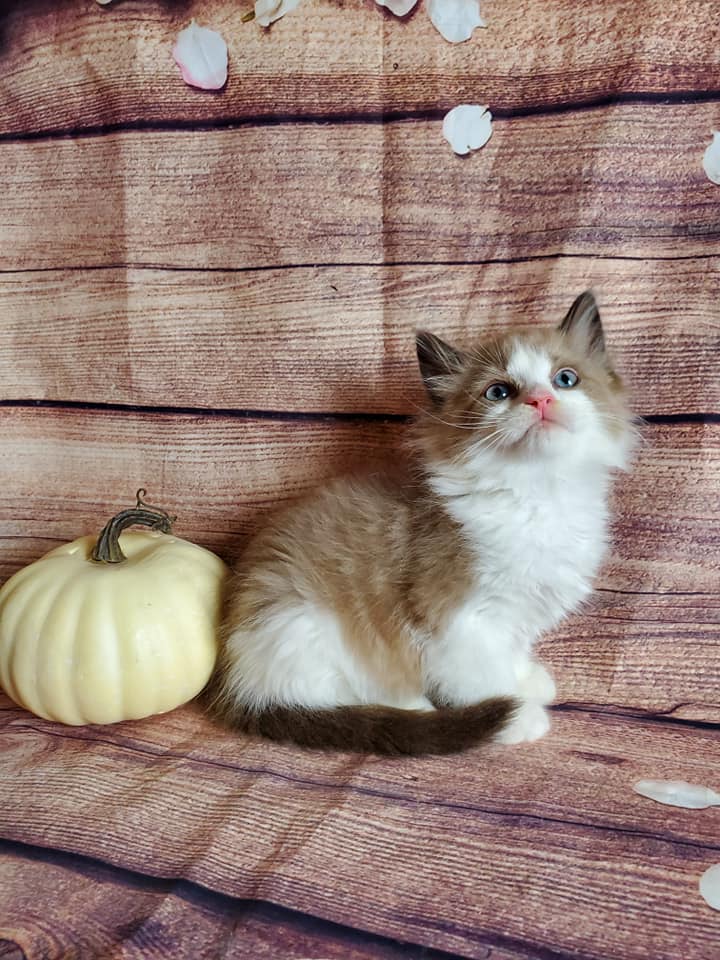
Connecting with other Ragdoll owners in Montana
Ragdoll companionship travels well beyond the boundaries of a local suburb. For Australian households, a Ragdoll may be a calm indoor housemate, therapy companion or adored “fur baby,” while stories about seal point colour, mitted paws and gentle temperament can spark friendships as readily as shared addresses.
Finding other Ragdoll owners in Montana from Australia is easiest when the focus is shared experience rather than distance. Breed-specific chats, local feline clubs and trusted veterinary clinics often provide the first useful contacts, while a careful video visit can add confidence when homes or pedigrees are unfamiliar.
Montana’s “Big Sky Country” image can feel remote, yet owner communities form around regional gatherings, rescue events and breeder conversations. Ragdoll Kittens Cattery, a small TICA-registered hobby cattery in Helena, offers a useful example: its purebred kittens are raised indoors in a cage-free family home, handled daily and offered in limited numbers as pets or therapy cats.
Comparing ways to meet other owners
| Connection route | Best for | Practical check |
|---|---|---|
| Breed-specific online group | Quick advice and regional contacts | Moderation, privacy and records |
| Neighbourhood meetup | Familiar faces and supervised play | Safe venue and clear expectations |
| Regional gathering | Owners beyond a short drive | Travel plans and animal comfort |
| Montana breeder video visit | Pedigree, home and placement questions | Identity, live tour and aftercare |
Australian pet communities are informal. Owners may call themselves cat mum or cat dad, use “colour” with a u, and swap messages about cuddles and littermate dynamics. Facebook groups, local adoption listings on Gumtree, council pet events and cat shows can reveal networks, but reputable breeders should still share verified records.
Because Australia stretches from Perth to Brisbane, local contacts are not always within a short drive. City owners can contact similarly placed breeders, while regional owners may rely on online advice and planned trips to Melbourne, Sydney or Adelaide for feline events. Video chats make these connections practical.
A sound first connection should be mutual and low-pressure: compare the cat’s age, social experience and health records, and keep private details private until trust is established. The aim is one reliable contact who can answer real questions, not simply the largest online audience.
Sharing homes with cats and dogs
Not every Ragdoll owner lives alone with cats. Australian households may combine a pedigree kitten with an older rescue dog, active terrier or foster animal, making calm introductions essential. A tolerant temperament does not remove the need for separate food, resting spaces and supervised contact.
Owners sharing a home can use gradual pet introductions as a practical guide, changing scent, sight and physical access in stages. The sequence matters more than speed: let the kitten explore without being chased, reward calm behaviour and keep the dog’s arousal low. That suits Australian homes, where a quick arvo play session can easily become overstimulation.
The same care helps when a Ragdoll joins a therapy-cat household or accompanies a registered therapy dog. Clear barriers, predictable sessions and voluntary exits protect both animals and make household stories easier to share with owners elsewhere.
Comparing health and care standards
Health information should accompany pedigree details and adoption records. The Helena cattery emphasises screening for HCM, FIV, FeLV and feline heartworm disease, plus vaccination, deworming and veterinary documentation. Australian adopters should still ask their own vet about prevention suited to local parasites, climate and lifestyle. Key records include:
- TICA registration or pedigree details, including parentage, colour and markings.
- Veterinary reports showing HCM screening and negative FIV and FeLV results.
- Feline heartworm testing, vaccination history, deworming dates and microchip number.
- Spay or neuter status, age, feeding plan and follow-up needs.
Record wording can differ, so ask what was tested, when and by whom. Screening adds useful information but does not replace regular veterinary checks, dental care or advice on exercise and weight. Other details worth comparing include:
- Indoor upbringing, litter training, daily handling and exposure to ordinary household sounds.
- Experience with children, dogs, carrier travel and respectful adult handling.
- Willingness to consult an Australian vet while keeping local veterinary advice central.
- Post-placement support for pet and therapy-cat homes.
Cross-border conversations should clarify ongoing care, transport and responsibility for the animal. Written summaries prevent confusion when time zones and unfamiliar terminology turn a warm exchange into a misunderstanding.
Making distance manageable
Moving a Ragdoll between Australia and Montana requires more than a flight and a carrier. Australia’s biosecurity system, administered through BAMS and relevant state or territory rules, can require permits, approved veterinary examinations, microchip records and health certificates, depending on the route and circumstances.
Before travel, ask the cattery for documents needed for the exact itinerary and consult an Australian clinic familiar with import procedures. Airline policies, temperature, daylight and flight length all affect a young kitten’s comfort, so shipping should never be tied to a holiday deadline.
Owners seeking peer support can use a scheduled video call to discuss environment, routines and pedigree questions without transporting the cat. A local Australian contact can also help with the practical side of settling a newly adopted Ragdoll.
Creating a useful local network
A durable network often starts with one meaningful exchange. An Australian owner might share a blue point kitten’s first carrier ride, while a Montana owner can explain how a household manages a bicolour Ragdoll around visiting guests. Specific observations are more useful than claims that every Ragdoll has the same temperament.
Keep group conversations focused on welfare: coat care, scratching posts, safe indoor plants, enrichment and responsible adoption. When limited kittens are offered, ask for a clear adoption process, placement guidance and post-sale support, including advice for therapy work. Clear expectations prevent misunderstandings across time zones.
A practical takeaway is to keep the network small and dependable: one local Ragdoll contact, one moderated online group and one verified source of health information, with regular check-ins rather than constant posting. This gives Australian and Montana owners steady support across time zones and borders.