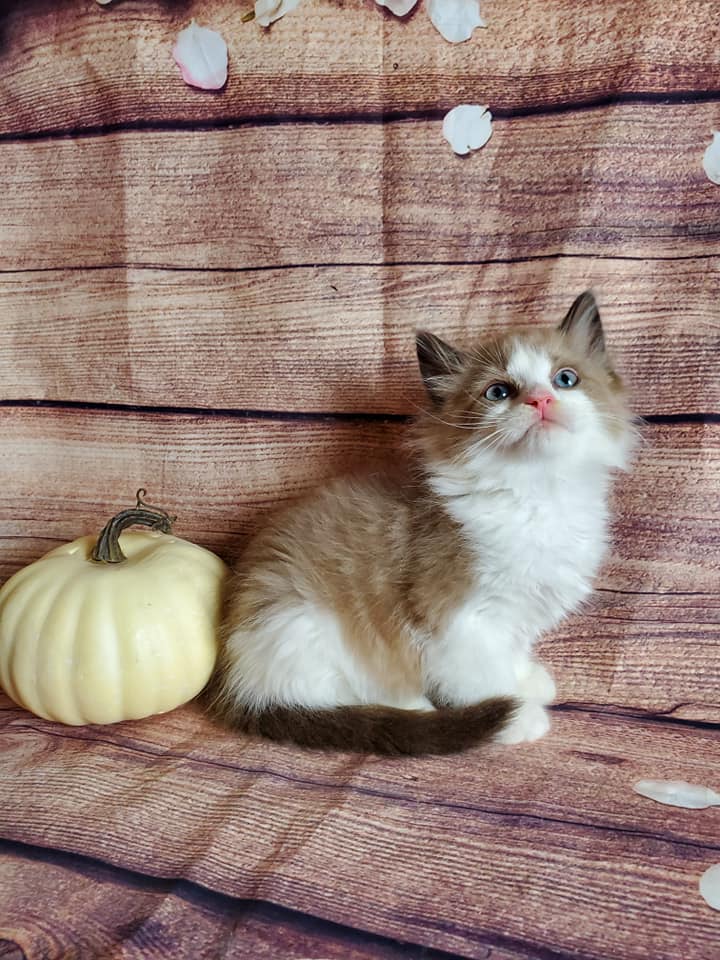
Crate Training Your Ragdoll Kitten for Safe Travels
A carrier can become a familiar, reassuring space for your Ragdoll kitten rather than a source of fear. With gradual practice, your kitten can learn that the crate means comfort, quiet, and safe transportation to the veterinarian, a new home, or a family holiday.
Ragdolls are gentle, social cats that often enjoy being close to their people. Their trusting nature makes early handling especially valuable, but a calm temperament does not automatically make a kitten comfortable in a moving vehicle. Carrier training should begin before the first necessary trip.
At Ragdoll Kittens Cattery in Helena, Montana, kittens are raised indoors in a family environment and handled daily. Families considering available Ragdoll kittens can continue this foundation by making travel equipment part of normal home life.
Choosing A Safe Carrier
Select a sturdy, well-ventilated carrier large enough for your kitten to stand, turn around, and lie down naturally. A hard-sided carrier with a secure top and front opening is often practical because it is easy to clean and provides stable protection during travel. Avoid oversized crates that allow a kitten to slide around when the car moves.
Place a washable blanket or towel inside, preferably carrying familiar household scents. A small toy can provide comfort, but avoid loose items that could become unsafe during transport. Check every latch, hinge, and ventilation opening before use, and make sure the carrier cannot collapse or open unexpectedly.
Keep the carrier accessible in a quiet room rather than storing it in a closet. Removing the door or securing it open allows your kitten to investigate at its own pace. Never use the carrier as punishment, and do not force a frightened kitten inside for routine practice.
Building A Positive Association
Begin with treats, praise, and gentle play near the carrier. Once your kitten approaches confidently, place rewards just inside the entrance. Progress to treats farther inside, allowing the kitten to leave whenever desired. This method helps create a positive association without turning training into a struggle.
Feed occasional meals beside the carrier, then gradually move the dish inside. A familiar blanket and a calm voice can make the space feel like a portable resting area. Some kittens prefer a covered carrier, while others become more relaxed when they can see their surroundings, so observe your kitten’s response.
When your Ragdoll voluntarily enters, briefly close the door and open it again before signs of distress appear. Increase the time in small steps over several days. Reward relaxed behavior, such as sitting, grooming, or lying down, instead of waiting until your kitten begins crying.
Practicing Before The First Drive
Once your kitten can remain comfortable in the closed carrier, lift it gently and carry it around the room. Keep movements smooth and support the carrier from underneath. Set it down, offer a treat, and allow a short break. These small exercises prepare your kitten for being moved without creating alarm.
Next, place the secured carrier in a parked vehicle. Let your kitten sit inside for a few minutes with the engine off, then repeat with the engine running. When this is calm, take a brief drive around the neighborhood. Increase travel time gradually, ending each session before your kitten becomes overwhelmed.
| Training stage | Suggested goal | Signs to move forward |
|---|---|---|
| Open carrier indoors | Explore freely | Enters without hesitation |
| Closed carrier indoors | Rest for several minutes | Calm posture and normal breathing |
| Car without motion | Relax in a parked vehicle | Accepts engine sounds |
| Short drive | Travel around the block | Settles after initial movement |
| Longer journey | Remain secure and comfortable | Recovers quickly after arrival |
Preparing For Travel Day
Avoid giving a large meal immediately before departure, particularly if your kitten tends to experience motion sickness. Follow your veterinarian’s feeding guidance, and provide normal access to water when practical. A familiar towel and a spare blanket can help with accidents or temperature changes.
Before leaving, confirm that identification information is current and that your kitten’s veterinary records are available. A wellness check may be appropriate before extended travel, especially for a young kitten. Ask your veterinarian about parasite prevention, vaccination timing, and any health concerns that could affect the journey.
Keep the carrier inside the passenger area rather than in a truck bed or unsecured cargo space. Fasten it with a seat belt or place it on a level surface where it cannot tip. Never allow a kitten to roam freely in a moving vehicle, even if the kitten appears calm.
Keeping The Journey Calm
Maintain a comfortable temperature and limit loud music or sudden noise. Speak softly, but avoid repeatedly opening the carrier to handle your kitten. Unfamiliar surroundings can cause an escape attempt, so doors and windows should remain closed whenever the carrier is being moved.
For longer trips, plan safe breaks according to your veterinarian’s advice. A kitten should not be released outdoors at a rest stop. If a stretch break is necessary, use a fully secured indoor room or a properly fitted harness only if your kitten has already been trained to accept it.
Watch for excessive panting, drooling, vomiting, persistent vocalizing, weakness, or labored breathing. These signs deserve attention, particularly if they continue after the vehicle stops. Contact a veterinarian before using calming medication, essential oils, or sedatives; products that are safe for people may be dangerous for cats.
A Practical Home Training Routine
Short, consistent sessions usually work better than one long attempt. Adjust the pace to your kitten’s behavior, and return to an easier step if fear appears. The following routine can fit into ordinary family life:
- Leave the carrier open in a familiar room every day.
- Place treats, toys, or part of a meal inside the carrier.
- Practice closing the door for a few seconds, then gradually extend the time.
- Carry the secured carrier around the home before introducing car rides.
- Take several brief drives before attempting a longer journey.
Making Future Trips Easier
Continue occasional carrier practice even when no appointment or move is planned. A kitten that sees the carrier regularly is less likely to associate it exclusively with veterinary visits. You can also place the carrier near a favorite sleeping area or use it as an occasional retreat.
After arrival, allow your Ragdoll kitten to settle in a quiet room with familiar bedding, food, water, and a litter box. Open the carrier and let the kitten emerge voluntarily. Keeping the first moments peaceful supports a smoother transition and reinforces the sense that travel ends in safety.
Start preparing well before your next appointment or adoption day. With a reliable carrier, patient rewards, and gradual car exposure, your Ragdoll kitten can develop confident travel habits that protect comfort and safety throughout life.