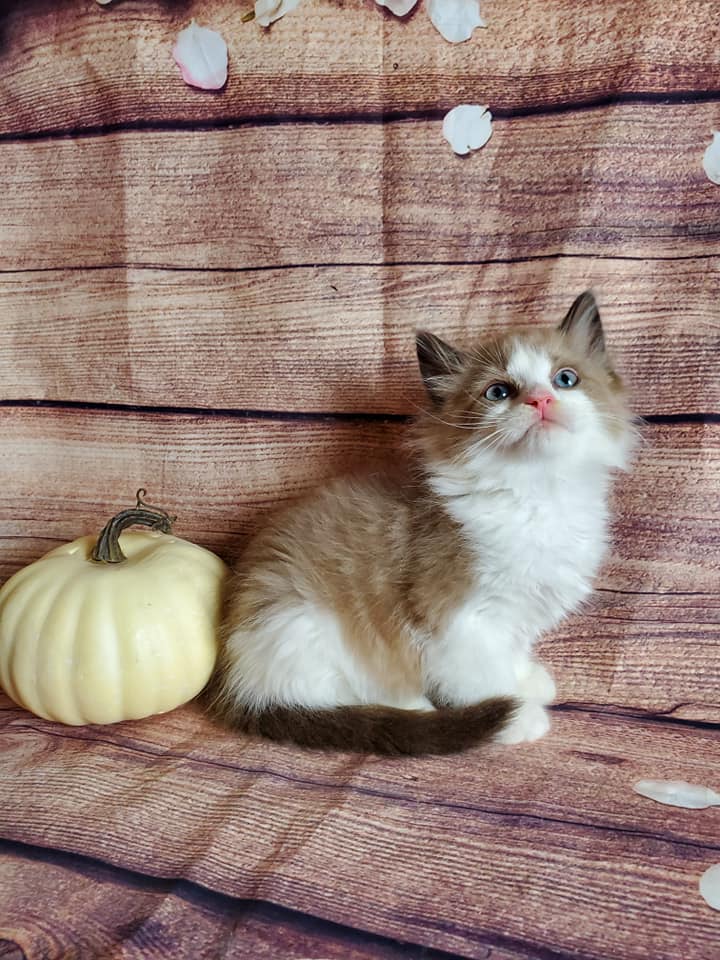
Feeding your Ragdoll for a healthy coat and heart
Ragdolls are known for their silky coats, gentle personalities, and substantial build. Their nutritional needs are just as distinctive. A well-planned diet supports steady growth in kittens, healthy body composition in adults, and the skin, fur, muscles, and cardiovascular system that help these cats thrive.
The best feeding plan combines complete nutrition, appropriate portions, fresh water, and regular observation. Food alone cannot prevent every inherited condition, but it can help maintain a healthy weight and provide the nutrients your Ragdoll needs throughout life.
At Ragdoll Kittens Cattery, kittens are raised indoors in a family environment and handled daily. That early routine makes it easier to notice appetite changes, digestive concerns, or shifts in energy—details that remain important after adoption.
Choose complete, species-appropriate nutrition
Look for cat food labeled complete and balanced for your cat’s life stage. Growing Ragdoll kittens generally need a formula designed for growth, while adult cats benefit from food formulated for maintenance. A reputable product should list animal protein among its primary ingredients and provide clearly identified sources of fat, vitamins, and minerals.
Cats are obligate carnivores, so protein from poultry, beef, fish, or other animal sources is central to their diet. Protein helps preserve lean muscle, while taurine supports normal heart and eye function. Essential fatty acids, especially omega-3s and omega-6s in a balanced ratio, contribute to soft skin and a glossy coat.
Wet food can increase daily water intake and may be especially useful for cats that drink sparingly. Dry food is convenient and calorie-dense, but it should be measured rather than left available without limits. Many families use a combination of wet and dry food to support hydration, enrichment, and practical feeding routines.
Match portions to growth and activity
Ragdolls mature slowly and may continue developing for several years. Kittens need regular meals with sufficient calories, protein, and minerals, but rapid overfeeding can place unnecessary strain on growing bones and joints. Follow the food manufacturer’s guidance as a starting point, then adjust according to body condition and veterinary advice.
Adult Ragdolls can be relaxed indoor companions, which makes portion control particularly important. Their long coats may conceal gradual weight gain. You should be able to feel the ribs beneath a light layer of fat, see a gentle waist from above, and notice an abdominal tuck from the side.
Feed measured meals at consistent times whenever possible. Divide a kitten’s daily allowance into several meals, while many adults do well with two meals per day. Puzzle feeders and quiet food stations can provide mental stimulation without adding extra calories.
Support the coat from the inside
A healthy coat begins with adequate protein, essential fatty acids, zinc, copper, and other micronutrients. A complete commercial diet usually supplies these nutrients without the need for added supplements. Excessive supplementation can create imbalances, so consult a veterinarian before adding oils, vitamins, or herbal products.
Regular grooming works alongside good nutrition. Ragdolls have semi-long fur that can mat around the neck, legs, and belly. Gentle brushing several times a week removes loose hair, spreads natural oils, and helps you identify dry skin, parasites, or unusual shedding early.
The breed’s characteristics are described in more detail in this guide to the Ragdoll cat breed, including its size, coat patterns, and calm temperament. Understanding those traits helps owners distinguish normal coat variation from changes that deserve attention.
Compare practical feeding options
Each format can work when it is nutritionally complete and portioned carefully. The right choice depends on your cat’s age, preferences, dental health, hydration habits, and your ability to maintain a consistent routine.
| Food option | Advantages | Points to monitor |
|---|---|---|
| Wet food | Adds moisture and is often highly palatable | Refrigerate leftovers and measure calories |
| Dry food | Convenient, economical, and easy to use in feeders | Calorie-dense; free-feeding may encourage weight gain |
| Mixed feeding | Combines hydration with convenience and texture variety | Count calories from both foods |
| Veterinary diet | Tailored to diagnosed health needs | Use under veterinary guidance |
| Homemade diet | Can be customized in limited situations | Requires professional formulation to avoid deficiencies |
Change foods gradually over seven to ten days. Begin with a small amount of the new diet mixed into the familiar food, increasing it slowly if stools remain normal. Sudden changes can cause vomiting, diarrhea, or refusal to eat.
Keep heart health in the feeding plan
Nutrition supports heart health through weight control, adequate taurine, and balanced levels of essential nutrients. Maintaining a lean body condition reduces stress on the cardiovascular system and may improve mobility and activity. Avoid relying on treats, table scraps, or unbalanced meat-only meals as a major part of the diet.
Ragdolls may be affected by inherited hypertrophic cardiomyopathy, commonly called HCM. Feeding a high-quality diet is not a substitute for responsible breeding, screening, or veterinary examinations. Ask your veterinarian about an appropriate wellness schedule and report signs such as reduced energy, rapid breathing, weakness, or sudden changes in appetite promptly.
Fresh water should be available in several quiet locations. Some cats prefer wide bowls, circulating fountains, or water placed away from the litter box. Washing bowls regularly keeps water appealing and reduces bacterial buildup.
Build a steady mealtime routine
Consistency helps cats feel secure and makes health monitoring easier. Record your kitten’s food, portion size, treats, and weight during the first weeks at home. This information can help your veterinarian evaluate growth and identify changes before they become serious.
Use the following habits as a simple foundation:
- Choose complete food made for your cat’s current life stage.
- Measure daily portions with a kitchen scale or standard measuring tool.
- Keep treats below about 10 percent of daily calories.
- Provide fresh water and clean bowls every day.
- Weigh kittens regularly and monitor adult body condition.
- Introduce new food gradually while watching appetite and stool quality.
Treats can support bonding and training, but small pieces of the regular diet may be a better option than high-calorie snacks. Never offer foods containing onions, garlic, chocolate, alcohol, caffeine, raisins, or grapes, and avoid giving cooked bones.
Make nutrition part of lifelong care
A healthy feeding routine should adapt as your Ragdoll moves from kittenhood to adulthood and later years. Review portions after sterilization, changes in activity, illness, or noticeable weight gain. Annual veterinary examinations provide an opportunity to discuss diet, dental care, hydration, and heart monitoring together.
When choosing a kitten, ask about current food, feeding times, growth records, and any health screening completed by the cattery. Continue the familiar diet at first, then make changes slowly after your kitten has settled into the new home.
Use these principles to create a calm, nourishing routine for your Ragdoll, and contact a trusted veterinarian or Ragdoll Kittens Cattery for individualized guidance about your kitten’s next stage of care.