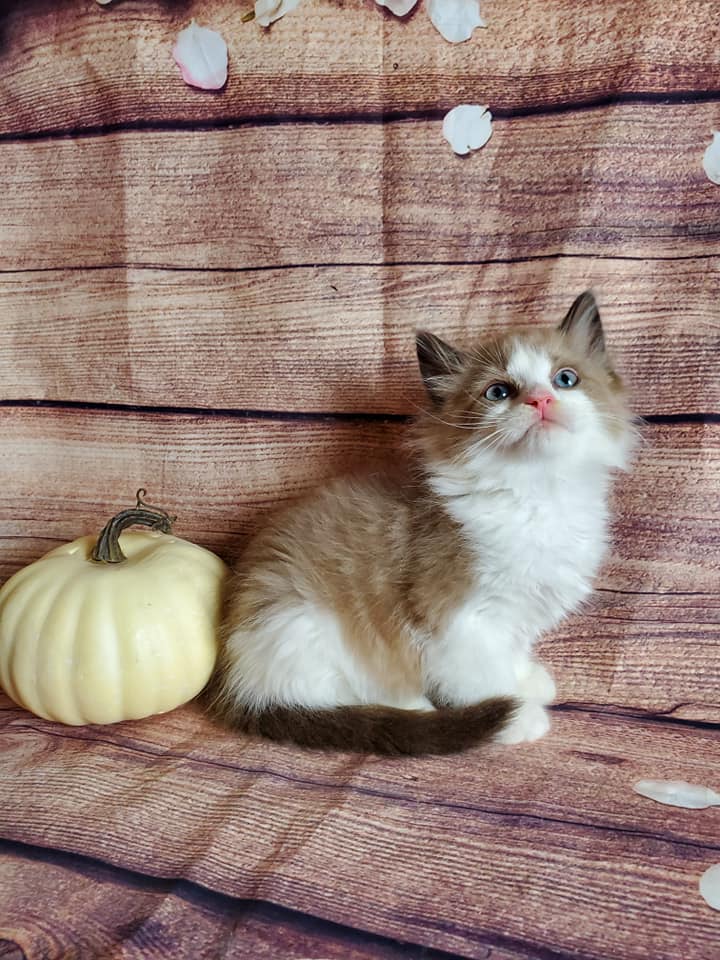
Grooming Your Ragdoll: Brushing, Bathing, and Nail Care Tips
Ragdoll cats are known for their silky, semi-long coats, gentle personalities, and striking blue eyes. Their fur usually resists severe matting better than a dense undercoat, but regular grooming still keeps the coat clean, comfortable, and beautiful.
A calm routine is especially important for kittens. Daily handling helps them become familiar with touch around the paws, ears, tail, and belly. At Ragdoll Kittens Cattery, kittens are raised indoors in a family environment and handled regularly, giving owners a helpful foundation for continuing gentle care at home.
Grooming also creates an opportunity to notice changes in the skin, coat, eyes, ears, or nails. Short, positive sessions are more effective than waiting until a kitten is tangled or distressed.
Understanding The Ragdoll Coat
Ragdolls have a soft, flowing coat that varies in length and texture. The fur around the neck, hindquarters, and tail may become tangled first, especially during seasonal shedding. Kittens may have a fluffy baby coat that changes as they mature, so grooming habits should begin early.
Color and pattern do not determine whether a Ragdoll needs grooming, although they can affect how visible loose hair or small stains appear. If you are learning to identify seal, blue, chocolate, lilac, lynx, or pointed patterns, this guide to Ragdoll colors and patterns provides useful background.
Run your hands gently through the coat before brushing. This lets you find small knots, dry skin, or tender areas. Never pull hard on a mat; separating it gradually with your fingers or asking a professional groomer for help is safer.
Building A Gentle Brushing Routine
A stainless-steel comb and a soft slicker brush are useful choices for a Ragdoll. Begin with the brush to lift loose hair, then use the comb to check areas that tangle easily. Work in the direction of hair growth, using short strokes rather than pressing deeply against the skin.
For a kitten, start with one or two minutes and finish before the cat becomes restless. Offer praise, a small treat, or a favorite play session afterward. As your Ragdoll grows comfortable, gradually extend grooming to around ten minutes several times each week.
Pay special attention to the ruff, armpits, belly, breeches, and behind the ears. During heavier shedding periods, daily combing may reduce swallowed hair and keep loose fur from collecting around the home. If brushing reveals bald patches, redness, excessive dandruff, or persistent itching, contact a veterinarian.
Bathing Without Stress
Most healthy indoor Ragdolls do not need frequent baths. Regular brushing usually removes ordinary dirt and loose hair. A bath may be appropriate after a messy accident, for a coat that cannot be cleaned with a damp cloth, or when a veterinarian recommends a medicated product.
Prepare everything before bringing the cat into the bathroom: a nonslip mat, lukewarm water, cat-safe shampoo, towels, and a cup or gentle sprayer. Human shampoo can irritate feline skin, so use a product formulated specifically for cats. Keep water away from the eyes and inside of the ears.
Wet the coat slowly, massage in diluted shampoo, and rinse until the water runs clear. Any remaining product can cause itching or a dull, sticky coat. Wrap the cat in a towel and blot rather than rub. Keep the room warm, and allow the coat to dry fully in a quiet space.
Grooming Tasks At A Glance
Each grooming task serves a different purpose, and the right frequency depends on your cat’s coat, lifestyle, and tolerance. Indoor cats may stay cleaner than outdoor cats, while older or overweight Ragdolls may need extra help reaching certain areas.
| Grooming task | Typical frequency | Helpful approach |
|---|---|---|
| Brushing and combing | Several times weekly | Use a brush followed by a metal comb |
| Paw and nail check | Weekly | Handle paws calmly and inspect each claw |
| Nail trimming | Every 2–4 weeks | Remove only the sharp transparent tip |
| Bathing | Occasionally | Use cat shampoo and rinse thoroughly |
| Coat and skin check | During each session | Look for mats, irritation, parasites, or lumps |
Safe Nail Care At Home
Long nails can catch on blankets, furniture, and scratching posts. They may also become uncomfortable if they curve toward the paw pad. Check the claws once a week, even if you do not trim them every time.
Choose cat nail clippers that fit comfortably in your hand. Press the paw pad gently to extend one claw and identify the quick, the pink area containing blood vessels and nerves. Clip only the curved, translucent tip, staying well away from the quick. For dark claws, remove tiny amounts at a time and stop when the center begins to look darker or moist.
If a kitten pulls away, pause and try again later. Two paws today and the remaining paws tomorrow is perfectly acceptable. Accidental bleeding can be treated with styptic powder, but persistent discomfort, split nails, or overgrown claws should be evaluated by a veterinarian.
Practical Habits For A Healthy Coat
Consistent routines make grooming easier for both cat and owner. Keep tools in one accessible place, groom at a quiet time, and avoid chasing a cat with a brush. A relaxed environment helps prevent grooming from becoming associated with fear.
- Comb the neck, legs, belly, and tail instead of brushing only the back.
- Inspect the skin for fleas, scabs, redness, unusual odor, or new lumps.
- Introduce nail clippers by letting the kitten sniff them before the first trim.
- Use a damp cloth for small facial or paw stains rather than bathing unnecessarily.
- Schedule professional help when mats are close to the skin or the cat cannot be handled safely.
Food, hydration, parasite prevention, and veterinary care also influence coat quality. A dull coat or sudden increase in shedding can sometimes signal an underlying health issue rather than a simple grooming problem.
Making Grooming Part Of Daily Life
A Ragdoll’s grooming needs are manageable when care is divided into small, familiar steps. Touch the paws during relaxed cuddling, run a comb through a small section of fur after play, and reward cooperation consistently. This approach is particularly valuable for kittens who may later become companion or therapy cats.
Choose a veterinarian for routine wellness checks and ask for a demonstration if you are unsure about nails, mats, or bathing. Health-focused care, including appropriate screening and preventive guidance, supports the comfort behind a beautiful coat.
Families looking for a well-socialized Ragdoll can learn more about available kittens and the adoption process through Ragdoll Kittens Cattery. Begin a grooming routine early, keep every session gentle, and help your cat enjoy a clean coat, comfortable paws, and positive daily attention.