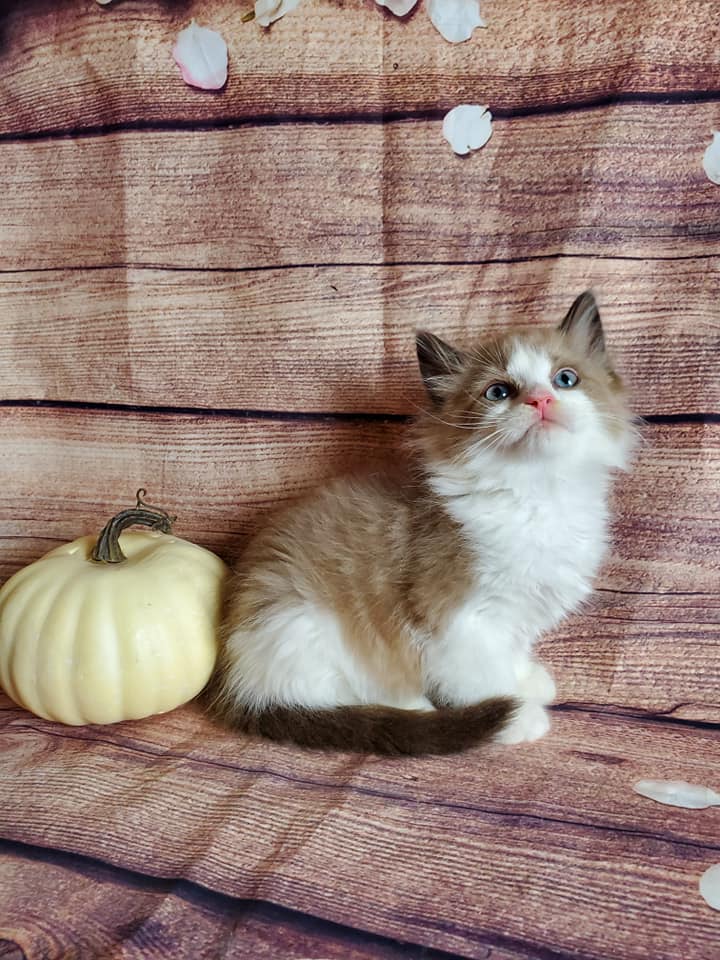
Health Testing for Ragdolls: HCM, FIV, FeLV, and Heartworm
A healthy Ragdoll kitten begins with thoughtful breeding, preventive care, and clear communication. Because Ragdolls are valued for their gentle temperament and close family bonds, health screening is an important part of preparing them for a long, comfortable life as companion or therapy cats.
At Ragdoll Kittens Cattery in Helena, Montana, kittens are raised indoors in a cage-free family environment and handled daily. This social setting supports confident development, while veterinary screening helps identify inherited, infectious, and preventable health concerns before adoption.
Health testing does not guarantee that a cat will never become ill. It does provide useful information about risk, supports responsible breeding decisions, and gives new families a stronger foundation for ongoing veterinary care.
Why Preventive Testing Matters
Ragdolls can be affected by the same illnesses seen in other domestic cats, as well as breed-associated conditions that deserve particular attention. Testing breeding cats helps reduce the likelihood of passing certain problems to future litters and allows veterinarians to recommend appropriate follow-up.
Some tests examine genetics, while others look for current infection or exposure. These methods answer different questions, so a responsible health program uses the right test for the specific concern rather than treating one screening result as a complete health guarantee.
HCM: A Heart Condition Worth Watching
Hypertrophic cardiomyopathy, or HCM, causes thickening of the heart muscle. The condition can interfere with normal heart function and, in serious cases, contribute to heart failure or blood clot formation. Cats may show no obvious symptoms in the early stages, which makes screening especially valuable.
Ragdolls have a known genetic association with a variant often called R820W. A DNA test can identify whether a cat carries that particular variant, but genetic screening does not detect every possible cause of HCM. Echocardiography, an ultrasound examination performed by a qualified veterinary cardiologist, evaluates the heart’s structure and function directly.
Breeding cats may benefit from both genetic testing and periodic cardiac evaluation. Families adopting a kitten should ask which tests were completed, when they were performed, and whether the results apply to the kitten’s parents.
FIV and FeLV Screening
Feline immunodeficiency virus, or FIV, affects the immune system. Some infected cats remain healthy for years, while others develop recurring infections or other complications. FIV is most commonly spread through bite wounds, although transmission from a mother to her kittens is possible in some circumstances.
Feline leukemia virus, known as FeLV, can weaken immunity and increase the risk of anemia, lymphoma, and other serious disease. It may spread through close contact, mutual grooming, shared dishes, and from an infected mother to her kittens. Indoor living lowers exposure risk but does not replace appropriate screening and vaccination discussions.
Test results should be interpreted with the kitten’s age, history, and possible exposure in mind. A veterinarian may recommend repeat testing when a result is unexpected or when a young kitten has had a potential exposure.
| Health concern | What screening can show | Important limitation |
|---|---|---|
| HCM | A genetic risk variant or changes in heart structure | A DNA result does not identify every form of heart disease |
| FIV | Evidence of antibodies or infection risk | Antibodies can complicate interpretation in some young kittens |
| FeLV | Viral antigen in the bloodstream | Early or uncertain results may require repeat testing |
| Heartworm disease | Evidence of infection or related disease | Testing may miss early infection; prevention remains important |
Feline Heartworm Disease
Heartworm disease is caused by parasitic worms transmitted by mosquitoes. Cats are not the preferred host for heartworms, but even a small number of worms can cause significant respiratory or cardiovascular problems. Cats may develop coughing, breathing difficulty, vomiting, lethargy, or sudden illness, though signs are sometimes subtle.
Indoor cats can still be bitten by mosquitoes, including in regions where the risk is seasonal. There is no reliably effective treatment that removes adult heartworms from cats, so prevention is the central strategy. A veterinarian can recommend a cat-safe preventive based on age, weight, lifestyle, and local parasite risk.
Heartworm screening may include blood testing and, when indicated, additional diagnostic imaging or antibody and antigen testing. Preventive care should be discussed before a kitten goes to its new home and continued according to veterinary guidance.
Understanding Results and Records
A test report is most useful when it is paired with context. Families should receive clear information about the kitten’s veterinary examinations, vaccinations, deworming, parasite prevention, and the health screening performed on the parents. Dates and laboratory or veterinary sources add helpful detail.
A negative result means that a particular test did not detect the condition at that time; it is not a promise that illness can never develop. Similarly, a carrier result for a genetic variant does not always mean a cat is currently sick. Breeding decisions require careful pairing, while pet families need practical advice about monitoring and routine care.
New owners should establish a relationship with a local veterinarian soon after adoption. The first wellness visit can confirm the kitten’s condition, review records, plan booster vaccinations, and create a long-term schedule for dental care, parasite control, weight monitoring, and heart health.
Questions to Ask Before Adoption
A transparent cattery should be comfortable discussing its testing practices without presenting them as a substitute for lifelong veterinary care. For Ragdoll families, useful questions include:
- Which HCM screening methods were used for the parents, and were results documented?
- Were the parents tested or screened for FIV and FeLV?
- What veterinary examinations, vaccinations, and parasite treatments has the kitten received?
- Has heartworm prevention been started or discussed for the kitten’s new home?
- Which records and health guarantees will accompany the adoption?
Ragdoll Kittens Cattery offers limited kittens for families seeking loving companions or therapy cats. Its TICA-registered hobby cattery model, indoor family environment, daily handling, and focus on health information help families make decisions based on both temperament and wellbeing.
Plan a Healthy Start
Before bringing home a Ragdoll kitten, review the available health records and arrange a first veterinary appointment. Ask your veterinarian to assess the kitten’s heart, discuss FIV and FeLV considerations, and create a parasite-prevention plan suited to your location and lifestyle.
Contact Ragdoll Kittens Cattery in Helena, Montana, to learn about available kittens, health screening, breed traits, and the adoption process. A well-informed start helps your Ragdoll become a confident, cherished member of the family.