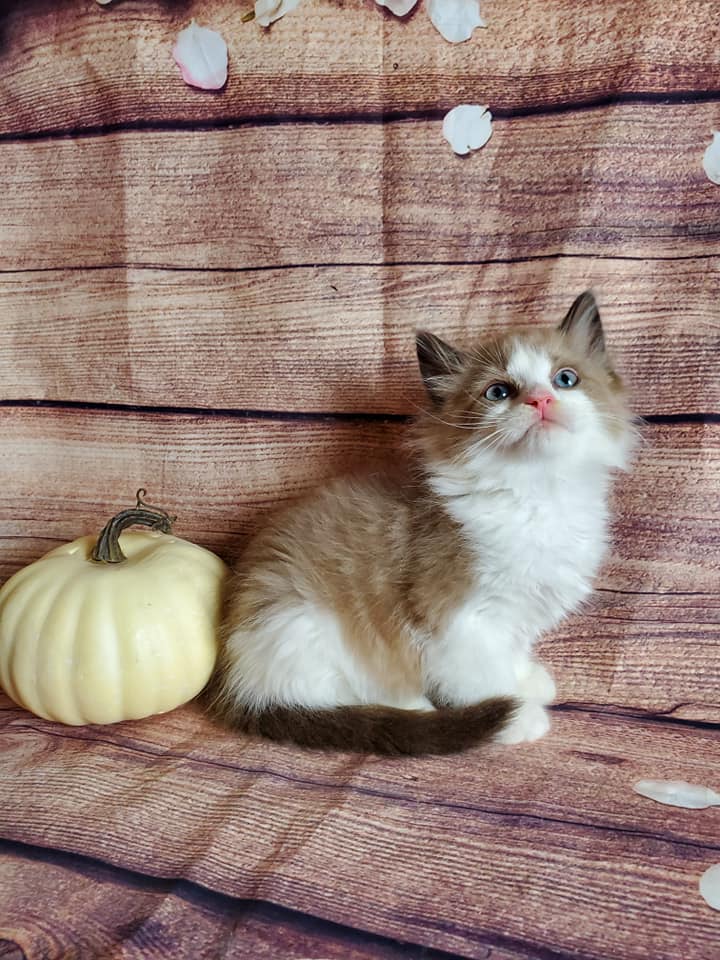
Choosing A Ragdoll Kitten With Confidence
Assessing a Ragdoll kitten’s temperament before adoption helps families choose a companion whose energy, confidence, and social style fit their home. Although Ragdolls are often described as gentle, affectionate, and people-oriented, each kitten develops an individual personality.
A short visit can reveal useful patterns when you observe the kitten in a calm setting. Look beyond whether the kitten immediately runs toward you. Notice how it responds to unfamiliar sounds, handling, play, rest, and changes in its surroundings.
At Ragdoll Kittens Cattery in Helena, Montana, kittens are raised indoors in a cage-free family environment and handled daily. This setting gives prospective adopters an opportunity to see natural behavior while learning how early socialization, health, and genetics can influence a kitten’s adjustment.
Understand The Ragdoll Personality
A well-adjusted Ragdoll kitten may be friendly without being constantly active. Many enjoy following people, sitting nearby, playing with soft toys, and relaxing after brief periods of exploration. Their calm nature does not mean every kitten will be passive or eager to be held at all times.
Temperament includes several traits: sociability, confidence, adaptability, playfulness, sensitivity, and tolerance of handling. A kitten may be outgoing with adults but cautious around loud children, or affectionate at rest but highly energetic during play. These differences are normal and should be considered alongside your household’s routines.
Age also matters. A young kitten’s behavior can change as it matures, especially during adolescence. Reading about Ragdoll adolescence changes can help families distinguish ordinary developmental shifts from persistent behavior concerns.
Watch Before You Interact
Begin by observing the litter without reaching into the space immediately. A confident kitten may approach, investigate your shoes, or resume play after noticing you. A more reserved kitten may watch from a distance before joining the activity. The important detail is whether the kitten can recover and become curious.
Pay attention to body language. A relaxed posture, soft eyes, upright or gently curved tail, and natural grooming suggest comfort. Flattened ears, prolonged hiding, growling, frantic escape attempts, or a tense crouch indicate stress during that moment. One nervous response does not define a kitten, particularly in a new environment.
Ask to see the kitten during both active and quiet periods if possible. A balanced companion should have opportunities to play, explore, eat, groom, and settle. This broader view is more informative than a single burst of excitement during a visit.
Evaluate Social Responses
After the kitten has had time to settle, invite interaction with a toy or gentle voice. Does it approach voluntarily, engage in play, or accept your presence while continuing its activity? A kitten that chooses contact often shows promising social confidence, but a quieter kitten may still become deeply affectionate with patient care.
If the breeder agrees, observe gentle handling of paws, ears, shoulders, and body. The kitten does not need to remain perfectly still. A healthy response may include mild wiggling followed by relaxation. Persistent panic, intense biting, or inability to recover deserves further discussion with the breeder.
Consider how the kitten responds to different people. A family member’s calm approach, a child’s supervised presence, or the movement of someone unfamiliar may reveal adaptability. Interactions should remain quiet and respectful; overwhelming a kitten can create misleading behavior and unnecessary stress.
Separate Temperament From Health
Behavior must be interpreted alongside physical well-being. Pain, fatigue, parasites, illness, or poor nutrition can make a kitten seem withdrawn, irritable, or unusually inactive. A breeder should be willing to discuss veterinary examinations, vaccination records, deworming, and the health history of the parents.
Ragdoll Kittens Cattery emphasizes screening related to HCM, FIV, FeLV, and feline heartworm disease. Health testing does not predict every personality trait, but responsible medical care supports a clearer assessment of the kitten’s normal behavior and gives adopters important background information.
Use the following guide as a starting point rather than a rigid scoring system:
| Behavior to Observe | Potentially Positive Sign | What To Clarify |
|---|---|---|
| Response to a new person | Curiosity or gradual approach | How long does the kitten take to warm up? |
| Gentle handling | Brief resistance followed by recovery | Has the kitten been handled regularly? |
| Play behavior | Engages, pauses, and resumes naturally | Is energy appropriate for the kitten’s age? |
| Unexpected sound | Startles, then investigates or settles | Was the sound unusually loud or unfamiliar? |
| Interaction with littermates | Playful contact and appropriate boundaries | Does the kitten avoid or overwhelm others? |
Match The Kitten To Your Household
There is no universally perfect Ragdoll temperament. A busy family may value a confident kitten that handles activity well, while a quiet adult may prefer a gentle companion that enjoys peaceful proximity. A therapy-cat prospect may need strong people-orientation, recovery from mild novelty, and comfort with calm handling.
Think about your daily environment before choosing. Consider children, dogs, other cats, travel, work hours, noise levels, and the amount of interactive play you can provide. A kitten that is moderately cautious may thrive in a predictable home, while a highly social kitten may need frequent companionship.
Describe your lifestyle honestly to the breeder. An experienced breeder observes kittens over time and may identify differences in confidence, energy, and affection that are difficult to see during one visit. Their guidance can help match a kitten to a loving pet home or a suitable therapy role.
Ask Focused Questions Before Adoption
A conversation with the breeder adds context to what you observe. Ask about the kitten’s behavior across several days, not just during the appointment. Useful questions include whether the kitten seeks human attention, tolerates routine care, plays cooperatively, and settles after stimulation.
Also ask how the kitten has been socialized. Daily handling, exposure to ordinary household sounds, and positive contact with different people can support adaptability. Find out what food, litter, toys, and routines the kitten knows so the transition home is less disruptive.
Before making a decision, use these practical guidelines:
- Observe the kitten at more than one energy level, including play and rest.
- Look for recovery after mild stress rather than expecting complete fearlessness.
- Compare the kitten’s behavior with littermates without treating differences as defects.
- Discuss any persistent hiding, aggression, lethargy, or unusual sensitivity with the breeder and veterinarian.
- Choose the personality that fits your household instead of selecting only by color or markings.
Plan For A Gentle Transition
Even a confident kitten may act shy after leaving its familiar people and surroundings. Prepare a quiet starter room with food, water, a litter box, safe hiding places, and age-appropriate toys. Allow the kitten to approach at its own pace while keeping daily routines predictable.
Continue the handling and play habits the breeder recommends. Short, positive sessions can build trust more effectively than forced cuddling or too much attention at once. Monitor appetite, litter box use, sleep, and activity during the first days, and contact a veterinarian if concerning changes persist.
The best adoption decision combines observation, health information, breeder insight, and a realistic understanding of your home. Contact Ragdoll Kittens Cattery to discuss available kittens, arrange a visit when appropriate, and find a well-matched Ragdoll companion for your family or therapy goals.