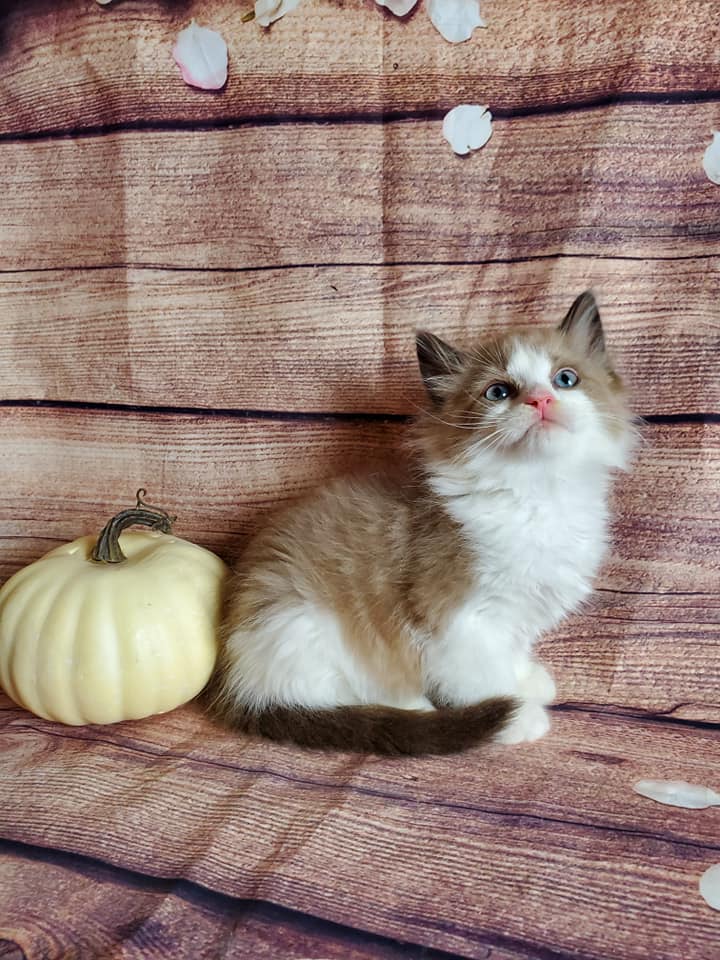
Building Trust with a Newly Adopted Adult Ragdoll
Adopting an adult Ragdoll can be deeply rewarding, yet trust rarely develops in a single afternoon. A mature cat may arrive with established habits, unfamiliar experiences, and a strong preference for predictable surroundings. Even a friendly, well-socialized Ragdoll may need time to understand that a new home is safe.
Ragdolls are often known for their gentle temperaments, soft voices, and close bonds with people. Their relaxed nature should not be mistaken for an invitation to handle them immediately. The strongest relationship grows when affection is offered patiently and the cat is allowed to make appropriate choices.
A calm transition supports confidence, appetite, litter box habits, and emotional well-being. By creating a quiet home base and responding consistently, you give your adopted companion a clear path toward trust.
Prepare A Quiet Home Base
Set up one comfortable room before your Ragdoll arrives. Include food and water, a clean litter box, a scratching surface, a bed, hiding places, and a few familiar-smelling items. Keep food and litter separated, and place resources where the cat can reach them without crossing a busy room.
A private area helps an adult cat decompress while learning household sounds and routines. Visit regularly, but avoid pulling the cat from a hiding place. Sit nearby, read aloud, or speak in a low voice so your presence becomes ordinary rather than demanding.
After several calm days, allow supervised access to another room. Expand the territory gradually, especially if the home includes children, dogs, or frequent visitors. A smaller successful step is more useful than overwhelming the cat with the entire house.
Let Body Language Set The Pace
Watch for relaxed ears, slow blinking, a loose posture, gentle purring, and a tail held comfortably. These signals suggest that your Ragdoll is receptive to quiet interaction. A cat who turns away, flattens the ears, crouches, swishes the tail sharply, or retreats is asking for space.
Try the slow-blink greeting by looking briefly toward the cat, softening your eyes, and turning your gaze away. Extend one finger at nose level and let the cat decide whether to investigate. This low-pressure approach gives the cat control over the first contact.
Avoid looming over the cat, chasing it for cuddles, or lifting it without warning. Although many Ragdolls enjoy being near their people, individual preferences vary. Trust grows when handling stops before the cat feels trapped.
Build Predictability Through Routine
Feed meals at consistent times and maintain a familiar pattern for play, grooming, rest, and quiet interaction. Predictability reduces uncertainty and helps an adult cat anticipate positive experiences. Use the same gentle verbal cues when inviting the cat to eat or play.
Pair your presence with rewards such as a favorite treat, a lickable snack, or a short wand-toy session. Place the reward nearby at first, then gradually offer it closer as confidence improves. Never use food to lure a frightened cat into a situation it cannot comfortably manage.
Keep daily changes modest during the first weeks. Sudden rearrangement of furniture, loud gatherings, or unfamiliar pets can cause setbacks. Guidance about Ragdoll temperament, coat care, and social needs is also available through Ragdoll breed guidance, which can help families build realistic expectations.
| Situation | Helpful Response | Avoid |
|---|---|---|
| The cat hides | Sit quietly nearby and provide food, water, and a litter box | Reaching into the hiding place |
| The cat approaches briefly | Let it sniff, then offer a soft voice or treat | Grabbing or restraining it |
| The cat seems overstimulated | End interaction and provide a calm retreat | Continuing to pet for “just a little longer” |
| The cat avoids play | Try a quiet toy later and keep sessions brief | Waving toys directly in its face |
| The cat misses the litter box | Review stress, box location, cleanliness, and health | Scolding or punishing |
Make Touch And Grooming Positive
Begin with areas many cats tolerate well, such as the cheeks or shoulders. Give one or two gentle strokes, then pause. If the cat leans closer, continue briefly; if it moves away, respect the decision. Ending while the interaction is still pleasant teaches the cat that contact remains safe.
Ragdolls have semi-long coats that benefit from regular combing, but grooming should be introduced in small sessions. Let your cat inspect the comb, reward calm behavior, and work on one easy area at a time. Check for mats around the armpits, belly, and hind legs without forcing a struggle.
Nail trimming, carrier practice, and veterinary handling can follow the same gradual process. Leave the carrier open with bedding inside, reward voluntary exploration, and occasionally offer treats near its entrance. These preparations make future health visits less stressful.
Support Health And Emotional Security
A health check after adoption can establish a baseline and identify pain or illness that might look like shyness. Discuss appetite, weight, dental care, parasite prevention, vaccination history, and any changes in litter box use with your veterinarian. Ragdoll cats can hide discomfort, so subtle changes deserve attention.
Keep an eye on eating, drinking, grooming, sleep, and social behavior. A sudden withdrawal, repeated vomiting, breathing difficulty, straining to urinate, or refusal to eat requires prompt veterinary advice. Stress can affect behavior, but medical causes should be considered rather than assumed away.
Use secure screens, identification, and careful door routines to prevent escapes during the adjustment period. If other animals live in the home, begin with scent exchanges and closed-door feeding before arranging brief, controlled meetings. Each peaceful encounter strengthens the household relationship.
Practices That Encourage A Lasting Bond
Trust-building works best when every person in the home follows the same basic rules. Consistency prevents confusing experiences and gives the cat reliable control over distance and contact.
- Offer daily quiet time without expecting physical affection.
- Reward voluntary approaches, calm handling, and relaxed exploration.
- Provide elevated resting spots, hiding areas, scratching posts, and separate resources.
- Introduce children and other pets slowly, with active adult supervision.
- Keep a simple record of appetite, litter habits, grooming, and behavior changes.
Progress may appear in small forms: resting in the same room, accepting a treat from your hand, sleeping in the open, or greeting you at mealtime. These moments show that your Ragdoll is beginning to associate the new home with security.
Give the relationship time, respond kindly to setbacks, and celebrate steady progress rather than demanding instant cuddles. If you are preparing to welcome a Ragdoll or want thoughtful breed-specific information, explore the cattery’s resources and adoption details at Ragdoll Kittens Cattery and take the next step toward a calm, trusting partnership.