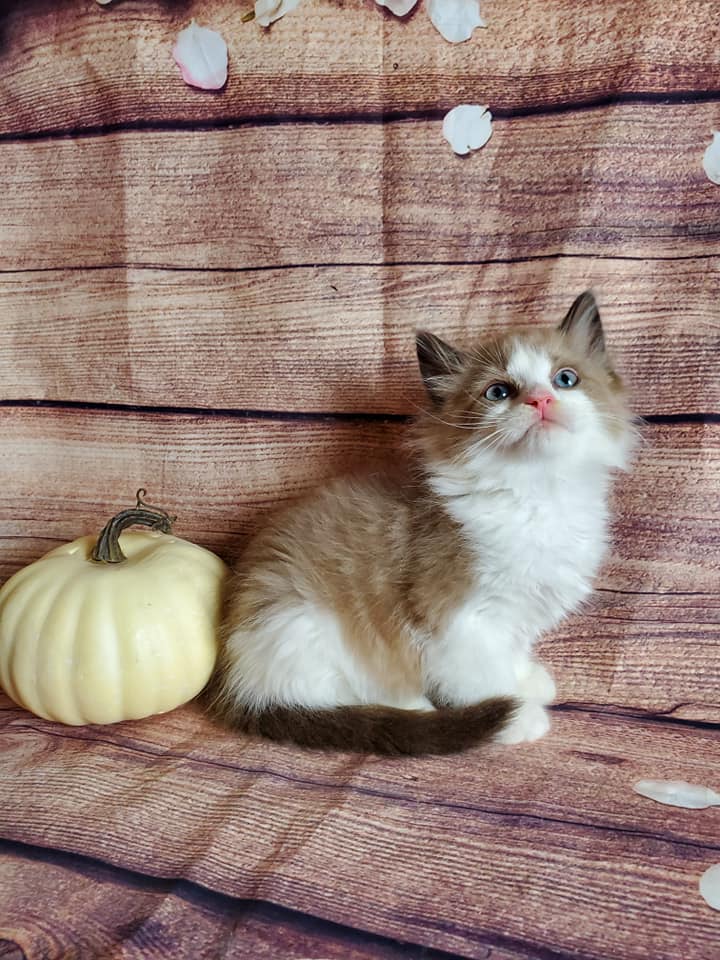
Choosing a Safe Harness and Leash for Your Ragdoll
Ragdolls are often relaxed, people-focused cats, but a calm temperament does not mean every cat will enjoy outdoor walks. A harness and lead can provide controlled access to a garden, balcony enclosure, quiet park edge or camping site, provided the equipment fits comfortably and training progresses slowly.
The best setup prevents pressure on the neck, allows natural movement and gives you enough control to respond to dogs, traffic and unfamiliar sounds. Kittens and adult cats also have different needs, so consider your Ragdoll’s size, confidence and body shape rather than choosing equipment based only on colour or appearance.
Start With Your Cat’s Comfort
A collar is not a suitable substitute for a walking harness. Cats can slip backwards out of poorly fitted collars, while a lead attached to a collar can place uncomfortable force on the throat. A properly designed cat harness distributes gentle pressure across the chest and shoulders.
Ragdolls are large, soft-bodied cats with substantial chests and long coats. Look for a harness made for cats rather than a small-dog model, and check that buckles do not rub behind the front legs. Soft mesh, padded fabric or smooth webbing can be more comfortable than stiff nylon.
When choosing a breeder or kitten, ask about early handling and socialisation. A kitten raised in a family environment, such as those found through Ragdoll kittens, may already be familiar with gentle touch around the paws, shoulders and chest, which can make harness training easier.
Select The Right Harness Shape
Vest-style harnesses cover more of the torso and can feel secure for a cat that backs away from straps. They may suit a first-time walker, although thick fabric can become warm during an Australian summer. A lightweight H-style harness has less coverage and may allow freer movement, but it demands careful fitting.
Avoid harnesses that tighten sharply when the cat pulls. A controlled-walk harness should remain comfortable when your Ragdoll pauses, crouches or changes direction. Check the stitching, adjustment points and attachment ring, especially if your cat is strong or likely to startle.
The lead should attach at the harness rather than the collar. A lightweight lead around 1.2 to 1.8 metres is generally easier to manage than a long retractable lead, which can tangle around plants, furniture or a cat’s legs.
Useful Harness Features
- Two or more adjustment points
- Smooth, breathable material
- Secure but quiet buckles
- A sturdy lead attachment ring
Measure Before You Buy
Use a soft tape measure around the broadest part of the ribcage, just behind the front legs. Keep the tape close to the fur without compressing the coat. Measure the neck only if the manufacturer requests it, and compare the results with that brand’s sizing chart.
A suitable harness should allow you to slide two fingers beneath each strap. It should not twist when your cat walks, sit across the throat or restrict the shoulders. Long-haired Ragdolls may need a slightly different adjustment in winter when their coat is fuller.
Quick Fit Checks
- The chest strap stays behind the front legs
- Your cat can walk, sit and groom normally
- No strap presses into the armpits
- The harness cannot be pulled over the head
Recheck the fit as a kitten grows. A harness that fitted during a cool season may become tight as the cat matures, while loose adjustment can become risky after a coat change.
Match The Leash To The Setting
For training inside the home, use a short, light lead and supervise every session. Once your cat is comfortable, move to a quiet enclosed courtyard or secure garden. Avoid attaching the lead and immediately carrying your Ragdoll outdoors, as the sudden change may create fear and escape attempts.
In busy Sydney or Melbourne neighbourhoods, a short lead gives you better control near footpaths, cyclists and dogs. A longer line may be useful in a quiet private garden, but never leave it attached while your cat is unsupervised. Leads can catch on branches, gates and outdoor furniture.
Reflective stitching can improve visibility around dusk, although it does not replace supervision. Bright colours may help you locate a pale Ragdoll in a garden, while a lightweight design is more important than decorative features.
Build Positive Outdoor Habits
Begin by placing the harness near food, bedding or a favourite resting spot. Let your cat investigate it without being placed inside. Next, touch the harness against the shoulders for a few seconds and reward calm behaviour with a small treat or familiar praise.
Once your Ragdoll accepts the harness indoors, fasten it briefly and remove it before the cat becomes distressed. Increase the time gradually, then add the lead without holding it. Stop if your cat freezes, rolls repeatedly, hides or tries to chew the straps.
The first outdoor session should be short and quiet. A private courtyard or enclosed veranda is usually less overwhelming than a public reserve. Never drag a stationary cat; wait, lower your voice and allow the cat to decide when to take the next step.
Plan Around Australian Conditions
Australia’s heat can make outdoor walks unsafe, particularly on concrete in Brisbane, Perth or Adelaide during summer. Test the pavement with your hand, choose early morning or evening and provide water and shade. Long, dense Ragdoll coats can increase discomfort in hot weather.
Snakes, ticks, fleas and biting insects are relevant in many Australian regions, including suburban areas close to bushland. Ask your veterinarian about parasite prevention suitable for cats, and inspect the coat after outdoor time. Do not apply a dog flea product unless a vet confirms it is safe, as some ingredients are toxic to cats.
Native wildlife also deserves consideration. Keep your Ragdoll close around gardens and reserves, and avoid letting the cat chase birds, possums or reptiles. Walking on a harness should provide enrichment without disrupting local animals.
Check Safety, Rules, And Routine
Australian cat regulations vary between states and councils. Victoria requires cats to be microchipped and registered, while some councils impose curfews or require cats to remain on the owner’s property. The Australian Capital Territory has cat containment requirements in designated areas. Check your local council before taking your Ragdoll into shared outdoor spaces.
Microchipping, current identification details and vaccinations are sensible safeguards even when a cat is walked only on a harness. A secure carrier should also be available for transport, because a frightened cat may escape if the harness breaks or a buckle opens.
Inspect the equipment before every outing and replace it when straps fray, stitching loosens or buckles no longer close firmly. The right routine is quiet, supervised and adapted to your individual cat. What matters most is that a harness supports safe exploration without making your Ragdoll feel trapped or pressured.