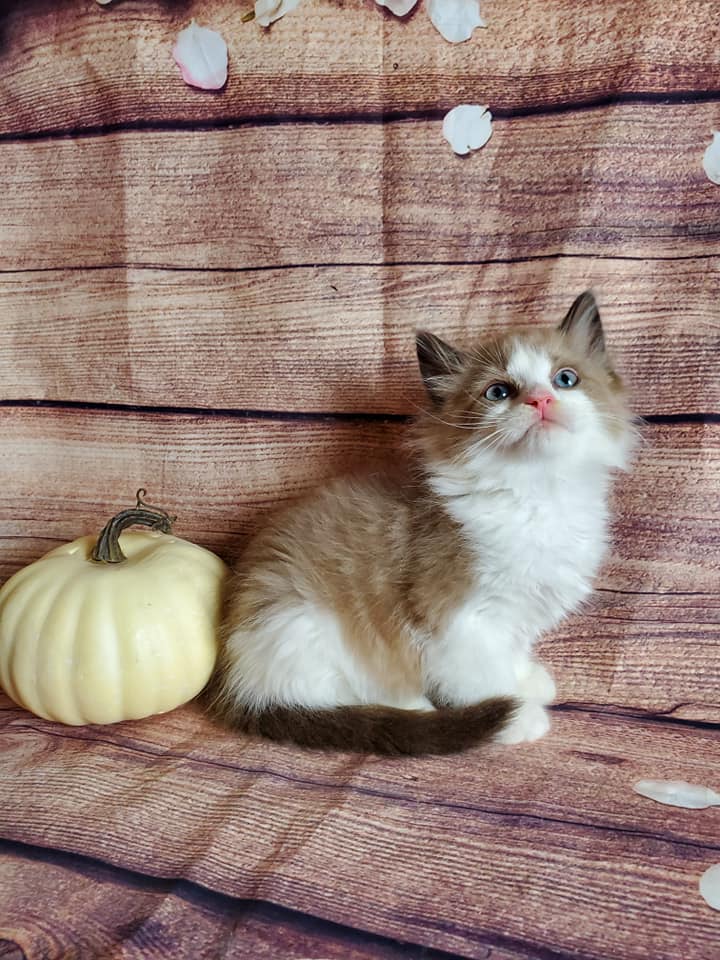
a Trustworthy DNA Test for Your Ragdoll Cat's Health Markers
For Australian Ragdoll owners, deciding which genetic screening kit deserves a place on the kitchen bench next to the cat tree has become a real question. The Australian cat population keeps growing, with Sydney and Melbourne reporting some of the highest feline ownership rates in the country, and more breeders and pet parents are treating DNA testing as standard practice rather than an optional extra.
Ragdolls carry a few well-documented hereditary conditions, and a well-chosen test can flag them years before symptoms appear. The challenge is sorting credible laboratories from marketing-heavy kits that overpromise and underdeliver on what their panels actually detect.
Understanding Ragdoll-Specific Genetic Risks
Ragdolls are famous for their docile temperament and silky coats, but the breed is also associated with hypertrophic cardiomyopathy, a heart condition linked to a specific mutation in the MYBPC3 gene. Australian breeders following TICA guidelines usually screen for this, and responsible owners want the same reassurance for their kittens.
Beyond cardiac markers, some labs offer screening for polycystic kidney disease and progressive retinal atrophy, even though these conditions appear less frequently in Ragdolls than in other breeds. Knowing which markers actually apply to your cat, rather than guessing from a generic feline panel, helps you avoid paying for results that carry no clinical relevance.
What a Reliable Health Marker Panel Should Include
A trustworthy test for a Ragdoll should at minimum screen the MYBPC3-A31P mutation, the variant most strongly tied to HCM in the breed. Blood-typing markers also matter, particularly if you plan to breed or if your cat might ever need a transfusion, since type B cats can suffer fatal reactions to type A blood.
Look for labs that publish their SNP counts, methodology, and validation studies. A simple cheek swab processed through a CLIA-certified or ISO 17025-accredited laboratory will outperform a vague wellness panel with no peer-reviewed backing. If a provider cannot explain which mutations their kit targets in plain language, that silence is itself a red flag.
Accreditation, Veterinary Partnerships, and Result Confidence
The gold standard in feline genetic testing sits with university-affiliated laboratories such as the UC Davis Veterinary Genetics Laboratory, which many Australian veterinarians already trust and submit samples to. Locally, the University of Sydney's veterinary school runs referral services, and clinics in Brisbane and Perth routinely send swabs overseas for processing.
When a test arrives with a certificate bearing an accredited lab stamp, plus a clear heterozygous or homozygous call for each marker, you can rely on the result. Anything less, such as vague percentages, missing methodology, or a downloadable PDF generated automatically, should be treated as a screening tool rather than a diagnosis and discussed with your vet before any breeding or health decisions follow.
Reading Results Without Overreacting
A carrier result for HCM does not mean your Ragdoll will develop the disease, and a clear result does not guarantee a clean bill of health for life. Many Australian vets now recommend combining DNA results with annual cardiac ultrasounds, particularly for breeding cats, since the genetic panel only catches known mutations and not all environmental or polygenic factors.
If the report lists multiple variants of uncertain significance, take that honestly and ask your vet how it fits into the bigger picture of your cat's clinical history. A good owner uses DNA data as one input among many, not as a final verdict.
Cost, Turnaround, and Practical Access Across Australia
Prices for a comprehensive Ragdoll panel typically run between AUD 120 and AUD 280, depending on whether you order through your vet or directly. Direct-to-consumer kits ordered online often ship from the United States or Europe, and Australia's strict biosecurity rules mean saliva samples must be declared and packaged according to the Department of Agriculture guidelines to clear customs without delay.
Postal drop-off points in Adelaide, Canberra, and regional Tasmania sometimes slow turnaround by several days, so plan ahead if you need results before a planned mating or pre-adoption health check. Many Australian breeders also keep spare swabs on hand to avoid the awkward wait between collection and lab confirmation.
Common Pitfalls When Choosing a DNA Test Online
Cheap kits sold through marketplace platforms frequently test only a handful of markers that have little relevance to pedigreed breeds. A panel built for the general moggy population may completely miss the MYBPC3 variant that matters most for a Ragdoll, leaving owners with a false sense of security.
Beware of providers who bundle feline DNA tests with dog or horse panels at a discount, or who market ancestry percentages as if they were medical results. The comparison below outlines a few common options seen in the Australian market.
| Test Provider | Key Ragdoll Markers Covered | Lab Accreditation | Approx. Price (AUD) | Typical Turnaround |
|---|---|---|---|---|
| UC Davis VGL | MYBPC3-A31P, PKD1, PRA, blood type | CLIA-certified, university-based | 180–220 | 2–3 weeks |
| Orivet (Australian distributor) | MYBPC3, blood type, coat colour | ISO 17025 partner labs | 150–200 | 2–4 weeks |
| Wisdom Panel Premium Cat Kit | HCM proxy, blood type, breed mix | Commercial ISO-accredited | 130–170 | 1–2 weeks |
| Budget marketplace kits | Few or no Ragdoll-specific markers | Often unlisted or unverified | 40–80 | Variable |
The cheapest option rarely matches the diagnostic value of a vet-recommended, accredited test, and the few dollars saved often come at the cost of meaningful results.
Working with your breeder or cattery is the smartest first move when deciding which genetic screening makes sense for your Ragdoll. If you are based locally and want guidance tailored to your cat's pedigree, reaching out to a registered cattery through their contact-us page can point you toward laboratories already trusted in the Australian Ragdoll community, saving weeks of guesswork and helping you interpret the findings alongside your regular vet.