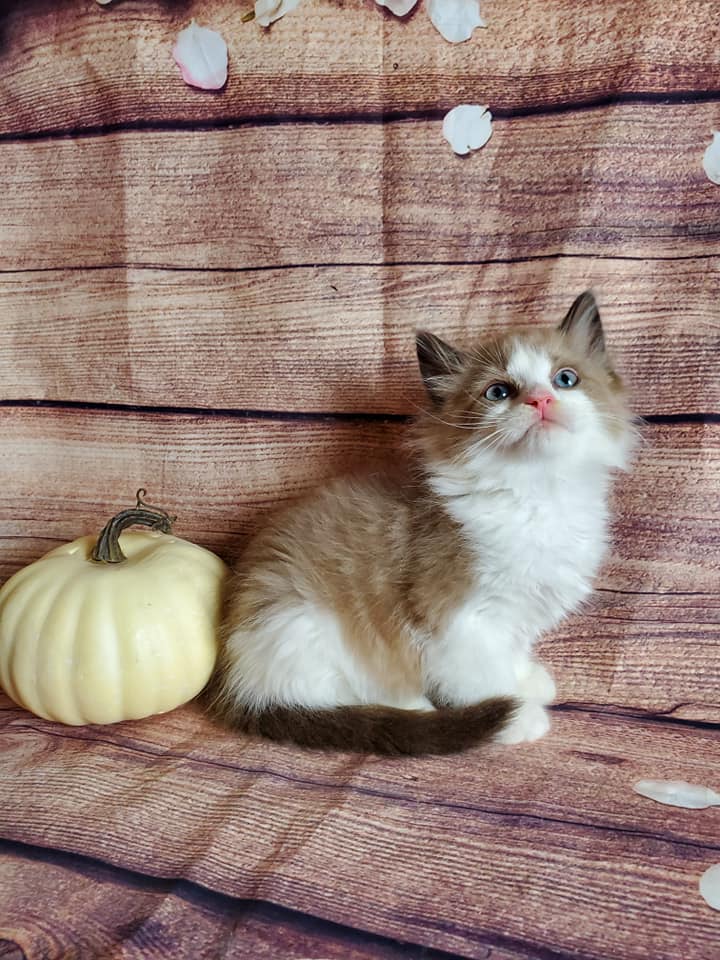
Choosing a Safe, Durable Carrier for Your Ragdoll
A Ragdoll may be calm and trusting, but its relaxed nature does not make every carrier suitable. This large, long-bodied breed needs enough room to turn around, sit upright and lie down without its coat pressing against the sides. A strong carrier also protects your cat during vet visits, car trips and longer journeys across Australia.
The right choice depends on your Ragdoll’s adult size, the type of travel you expect and the local climate. A carrier for a quick appointment in Melbourne may differ from one used for a summer drive from Brisbane to the Gold Coast or a flight from Perth to Sydney. Comfort, ventilation and secure construction should guide the decision.
Start With Your Ragdoll’s Adult Size
Ragdolls mature slowly and can become substantially heavier than an average domestic cat. A kitten that fits neatly into a small box may eventually need a large carrier with a broad base. Before buying, measure from the nose to the base of the tail and from the floor to the top of the head when your cat is sitting. Add room for a soft mat without making the carrier so large that your cat slides around during braking.
The carrier should allow your cat to stand, turn and settle naturally. A top-opening design can make lifting a nervous or heavy Ragdoll easier, while a removable roof gives a vet better access during an examination. You can learn more about the breed’s body shape and temperament through these Ragdoll breed traits before choosing the final size.
Check Ventilation, Materials and Climate
Australia’s heat makes airflow especially important. Look for generous ventilation on several sides, rather than a few small holes at the rear. This helps during warm trips in Adelaide, Darwin or western Sydney, where a parked car can become dangerously hot within minutes. Ventilation should be covered with strong mesh or moulded openings that cannot catch claws.
Hard plastic carriers are usually easier to clean after accidents and offer reliable protection in a vehicle. Choose thick, impact-resistant plastic with a metal door and secure fasteners. Soft-sided carriers may be lighter, but they need a rigid base, reinforced seams and breathable panels. Avoid thin fabric that can collapse around a large cat or absorb moisture and odours.
| Carrier feature | Why it matters for a Ragdoll | What to look for |
|---|---|---|
| Interior size | Supports a long body and heavy adult frame | Enough room to stand, turn and lie down |
| Door design | Makes loading and unloading easier | Strong front door plus a secure top opening |
| Ventilation | Reduces heat and stress | Openings on at least three sides |
| Base | Prevents tipping and discomfort | Wide, rigid, leak-resistant floor |
| Fasteners | Stops escapes during travel | Metal latches or locking clips |
| Cleaning | Helps manage fur and accidents | Removable, washable parts |
Match the Carrier to Australian Travel
For car travel, use a carrier that can sit flat on the rear seat or floor area and be secured with a seat belt where the manufacturer permits it. Never let a Ragdoll ride loose, even on a quiet suburban street in Canberra. Sudden stops can cause serious injury, and an unsecured carrier may slide or strike the passenger seats. Keep the carrier out of direct sun and maintain air conditioning without blowing cold air directly at your cat.
Air travel requires extra planning. Airlines such as Qantas, Virgin Australia and regional operators have their own approved dimensions, booking procedures and rules for travelling with pets. A carrier that is comfortable at home may not meet airline specifications. Check the current requirements before purchasing, especially if the journey involves a connection through Sydney, Melbourne or another major airport.
Prioritise Escape Prevention and Stability
Ragdolls are often friendly, yet an unfamiliar clinic, airport or roadside stop can trigger a sudden attempt to escape. Test every door latch and inspect the joins for gaps wider than a claw. A carrier with two independent locking points is preferable to one relying on a single plastic clip. Zips on soft carriers should have tether points or locking tabs so a determined cat cannot push them apart.
A wide, stable base is valuable for a large breed. The carrier should not rock when placed on the floor, trolley or car seat. Add a non-slip towel or a washable fleece pad, but do not fill the interior with bulky bedding. A familiar blanket carrying the scent of home can offer reassurance while leaving enough room for movement.
Prepare Your Kitten Before the First Trip
A durable carrier is safer when your cat recognises it as a familiar resting place rather than a signal that something unpleasant is about to happen. Leave it open indoors for several days, with a treat or favourite toy inside. At a small family cattery, kittens are handled daily and accustomed to normal household activity, but each new home still needs to build confidence gradually.
Begin with short practice sessions, then carry the empty-looking carrier around the house before trying a brief car trip. Place absorbent pads beneath the bedding for longer drives, and pack a spare towel, water, food, rubbish bags and a copy of vaccination or health records. Australian veterinary clinics commonly ask owners to keep cats contained in the waiting area, so a carrier with a removable top can be particularly practical.
A Ragdoll’s thick coat may also increase discomfort in hot weather. Travel during the cooler part of the day, never leave the cat alone in a parked vehicle and check the carrier’s airflow at ground level. For interstate moves, confirm rest stops and pet policies in advance rather than improvising on the road.
The safest purchase is one that fits your cat’s expected adult dimensions, remains stable in your usual vehicle and can be cleaned quickly. Before buying, measure your Ragdoll from nose to tail base and sitting height, then compare those figures with the carrier’s usable interior measurements.