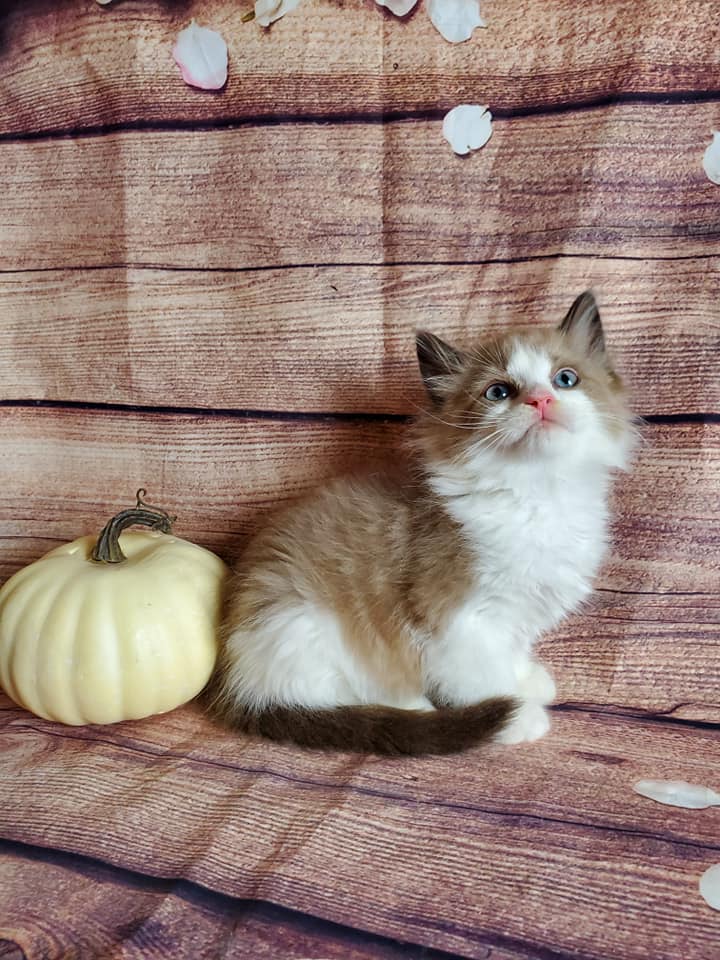
How to choose cat furniture for Ragdolls
Ragdolls are large, semi-long-haired cats with a relaxed reputation, but individual kittens still need room to climb, stretch and scratch. The best cat furniture for Ragdolls should suit their weight, long coat and enthusiasm for height without turning the house into a playground of unstable towers. Think comfort and safety before appearance.
Australian homes create specific demands. Around Melbourne, Sydney and Brisbane, compact flats and terraces often have less floor space, making wall shelves and narrow climbing routes useful. In Perth and Adelaide, hot summers call for shade and breathable surfaces, while cooler Hobart and Victorian homes can support cosy enclosed lounges.
Aussie pet sellers use familiar labels such as “cat tree”, “scratching post”, “tower” and “activity centre”. Products appear through local pet shops, online marketplaces such as Pet Circle or Amazon Australia, and independent makers. Compare delivered prices in Australian dollars, check whether GST is included, and allow for flat-pack assembly, especially for bulky items.
Appearance matters less than fit. Photos of fully grown Ragdolls, such as those in this Ragdoll gallery, can help you judge adult size rather than buying for an undersized kitten. Measure the real cat and the intended space before choosing a model.
Start with your Ragdoll's instincts
A Ragdoll's confident, laid-back manner can disguise a strong instinct to sit above floor level. A perch, shelf or enclosed condo gives the cat a lookout while preserving the calm feel of a busy Australian home. Choose a platform wide enough for the cat to lie fully stretched, with a back or side support for leaning.
Scratching is another daily need, not an occasional behaviour. Offer both upright and horizontal surfaces so the cat can choose, and place them near a favourite route through the home. Sisal wrapping suits many cats, but tightly wound rope can loosen; inspect quality after the first few weeks and replace anything frayed.
For rest, select a bed or hammock with a shallow, supportive shape. Ragdolls may seek warm spots, yet excessive heat is uncomfortable during an Australian summer. Washable covers are useful for long fur, and removable pads make a shared piece easier to keep clean in a busy household.
Match the furniture to your home
In a compact home, vertical furniture often creates more value than another large floor unit. Wall-mounted shelves can form a climbing path beside a sofa or above a desk, but fix them properly and add a lip so paws do not slip. Freestanding towers need a broad base and, in rental properties, a landlord-friendly anti-tip arrangement.
Placement should suit the local climate as well as the layout. Keep indoor cats away from intense western sun through glass, particularly in Perth and Adelaide, and provide a shaded alternative. In cooler parts of Tasmania and Victoria, a sheltered tree near a window can be inviting; draughts still matter, especially for kittens and senior cats.
Think about how the household moves. An open design gives a shy Ragdoll room to retreat, while a cat that likes height may prefer a high route with clear escape points. Put the furniture away from washing machines, kitchen hotplates and busy doorways, and ensure another cat cannot ambush a resting place.
Check size, stability and materials
Adult Ragdolls are substantial cats, often weighing about 4–9 kg, and kittens grow quickly. Use the manufacturer's stated weight limit, then add a generous safety margin. A tower rated for a small adult cat may flex or wobble under a large Ragdoll, particularly when the cat jumps on from the side.
Dimensions matter as much as weight. A perch around 30–35 cm wide may suit a smaller Ragdoll, while a large adult often needs a platform at least 40 cm across. Check the height of each step, the diameter of enclosed condos and whether the entrance allows a relaxed entry rather than a squeeze.
Inspect materials before assembly. Look for sealed wood, firm sisal and hardware without exposed sharp edges; avoid gaps where a paw or head could become trapped. Wall shelves must meet the wall securely, and every freestanding unit should have anti-tip fittings or a stable base that cannot slide on smooth floors.
Use a practical selection checklist
A quick check before checkout prevents an expensive mismatch:
Before purchase
- Measure the cat.
- Check the weight limit.
- Confirm assembled dimensions.
- Plan secure anchoring.
On delivery, treat stability and comfort as the real test:
After delivery
- Assemble it level.
- Test it for wobble.
- Check for sharp edges.
- Add a washable pad.
Discard damaged or unstable pieces rather than relying on temporary props. Give the cat several days to use each area, then adjust the height or position if it avoids the perch.
Compare options and make the final choice
Compare the complete ownership cost, not just the advertised price. A cheap tower may need replacing after a year, whereas a solid scratching post and one well-sized shelf can remain useful longer. Include delivery, GST, replacement parts, anchors and washable bedding in the Australian-dollar comparison.
The price bands below are indicative for the Australian market and vary with timber, finish and delivery distance:
| Furniture option | Best fit for Ragdolls | Main trade-off | Indicative cost |
|---|---|---|---|
| Scratching tower | Large cats that prefer upright scratching | Less useful for lounging | A$80–A$250 |
| Window perch | Watching outside without floor space | Limited load and weather exposure | A$50–A$160 |
| Wall shelf system | Apartments and multi-level routes | Installation requires care | A$120–A$400 |
| Cat tree | Climbing, scratching and resting in one unit | Bulky and harder to move | A$250–A$900 |
| Custom enclosure | Large homes with bespoke spaces | Highest cost and lead time | A$800–A$2,500+ |
Start with one stable, correctly sized perch or scratching tower that fits your floor plan, then add only what your Ragdoll uses. The most suitable choice is the one your cat visits daily: broad enough to stretch on, secure under its weight and comfortable in the Australian room where it lives.