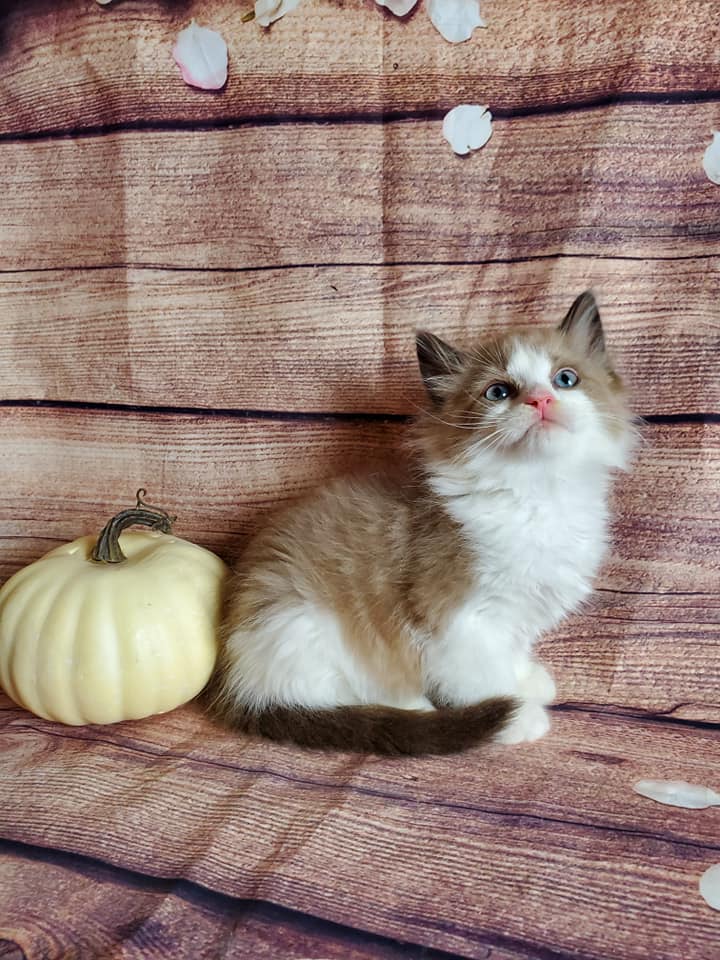
Choosing a Litter Box Setup for a Ragdoll Kitten in Australia
A Ragdoll kitten needs a litter area that is easy to enter, comfortable to use and large enough to support rapid growth. Although these cats are gentle and relaxed, their substantial adult size means a small kitten tray may become unsuitable within a few months.
The right arrangement also helps protect litter habits during the transition to a new home. A kitten raised indoors in a calm, family environment benefits from familiar routines, low-stress handling and a tray placed where it can reach it quickly after meals, naps and play.
The same principles apply when choosing a litter box setup for a Ragdoll kitten in a Montana home: provide reliable access, keep the area hygienic and avoid strong changes in litter or location. For Australian households, climate, flooring, rental rules and product availability also deserve attention.
| Setup choice | Benefits | Points to watch |
|---|---|---|
| Open plastic tray | Easy access, good ventilation and simple cleaning | Litter may scatter around the room |
| High-sided tray | Helps contain tracking and urine spray | The entrance must remain low enough for a kitten |
| Covered litter box | Reduces visible mess and odour | Can feel cramped and trap smells |
| Stainless-steel tray | Durable, non-porous and easy to sanitise | Usually costs more than basic plastic |
| Automatic litter box | Convenient for busy households | Often unsuitable for young kittens and large Ragdolls |
Choose a Spacious, Accessible Tray
Start with an open tray with a low front entrance. A young Ragdoll should be able to step in without climbing or jumping, especially during the first weeks after adoption. Once the kitten grows, move to a larger high-sided tray that allows a full turn, digging and comfortable squatting.
Adult Ragdolls are large, long-bodied cats, so plan for an internal tray length of roughly one and a half times the cat’s body length. A storage tub with a safely cut, smooth entrance can work as a temporary budget option, though purpose-made litter trays are easier to clean and replace. Avoid sharp edges, flimsy plastic and narrow corner models.
Select Litter and a Quiet Location
Unscented, low-dust clumping litter is often a practical starting point because it makes daily waste removal straightforward. Some kittens prefer a fine, sand-like texture. If the breeder has used a particular litter, continue with it initially and change gradually rather than switching immediately to crystals, pellets or strongly perfumed products.
Position the tray in a quiet, well-ventilated place away from food and water. It should be easy to reach but not hidden behind a closed laundry door. A spare bathroom, laundry corner or secure section of a hallway can work well. Keep the route clear, especially at night, and provide a second tray if the home has multiple levels.
Build a Clean and Predictable Routine
The usual guideline is one litter box per cat, plus one extra. For a single kitten, two trays placed in separate areas can prevent accidents when one is being cleaned or the kitten is playing elsewhere. In a larger Australian home in Melbourne, Brisbane or Perth, a tray on each commonly used level may be more practical than expecting a young cat to travel far.
Scoop urine clumps and faeces at least once daily, and more often if the tray is heavily used. Wash the box with warm water and mild unscented detergent during a full litter change. Avoid bleach mixtures, ammonia-based cleaners and harsh fragrances, which can irritate cats or make the tray unpleasant. A washable mat beneath the box catches stray litter without adding a noisy or unstable surface.
Adapt the Setup to Australian Homes
Australian summers can make odour and moisture management more difficult, particularly in Sydney, Brisbane and Darwin. Keep the litter area shaded and ventilated, but avoid placing it beside a hot window, outdoor door or air-conditioning outlet. In hot weather, clean more frequently and make fresh drinking water available in several locations.
Many Australian homes have polished timber, tile or vinyl floors, so choose a tray that will not slide. A low-profile litter mat helps protect flooring and reduces tracking. In apartments, check strata by-laws and rental conditions before installing cat doors or making changes to flyscreens. Local containment rules also vary: the ACT has strict cat-containment requirements, while individual councils in states such as Victoria and New South Wales may impose curfews or containment zones.
Australian pet shops, supermarkets and online retailers commonly stock clumping clay, recycled paper, tofu and crystal litters. Availability and price can vary between regional towns and major cities, so keep a small reserve of the kitten’s preferred product. Always check that any litter is unscented, low-dust and free from additives that could be harmful if swallowed.
Prepare for Growth and Everyday Use
Observe how the kitten uses the box during the first week. Repeatedly stepping out before finishing, balancing on the rim, avoiding the box or producing accidents nearby may indicate that the tray is too small, too dirty or poorly positioned. Sudden changes in toileting can also signal illness and warrant prompt veterinary advice.
Make the area easy for every household member to maintain. Store spare litter in a sealed container, keep a scoop nearby and use a small bin with a secure lid for waste. Do not punish accidents; clean them thoroughly with an enzymatic cleaner and return the kitten calmly to the tray after waking or eating.
Practical choices that support comfort and hygiene include:
- Provide two trays for one kitten, especially in a two-storey home.
- Use a low entrance at first, then upgrade to a roomy high-sided tray as the Ragdoll grows.
- Begin with the breeder’s familiar, unscented litter and transition slowly if needed.
- Place boxes away from food, noisy appliances, children’s busy areas and direct summer heat.
- Scoop daily and wash trays regularly with mild, fragrance-free products.
- Check council, strata and rental requirements before adding outdoor access or modifying screens.
- Replace a cramped kitten tray before the cat starts avoiding it.
A successful litter area is spacious, quiet, clean and predictable. Give a Ragdoll kitten easy access today while planning for its larger adult body, and remember that the best setup is the one the cat can use comfortably every time.