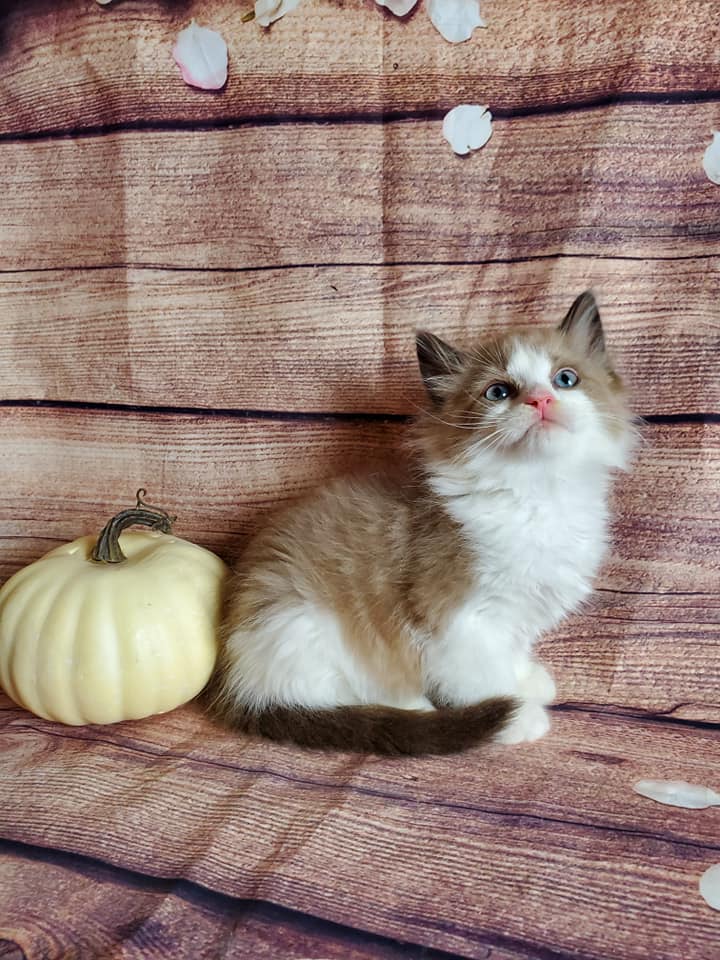
Choosing The Right Ragdoll Kitten For Your Family
Bringing home a Ragdoll kitten is a meaningful decision for the entire household. These gentle, people-oriented cats often become close companions, so the best match depends on your family’s routines, expectations, and ability to provide consistent care.
Ragdolls are known for their affectionate personalities, soft coats, striking blue eyes, and relaxed nature. Still, every kitten has an individual temperament. Color, pattern, gender, and pedigree can be helpful considerations, but they should support—not replace—a thoughtful assessment of health and personality.
Choosing the right Ragdoll kitten for your family begins with honest conversations about daily life. Consider who will care for the kitten, how much attention it will receive, and whether your home is ready for a long-term commitment.
Start With Your Household Lifestyle
Think about the amount of time your family spends at home. A kitten may enjoy companionship throughout the day, while a household that is empty for long hours may need to plan enrichment, interactive toys, or a compatible pet companion. Ragdolls typically appreciate human company and can become bored without regular engagement.
Young children, older adults, and other pets also influence the match. A confident, adaptable kitten may suit a lively home, while a more reserved kitten may thrive with quieter handling. Families with children should establish rules for gentle play, lifting, feeding, and giving the kitten a peaceful place to retreat.
Look Beyond Color And Markings
Ragdoll kittens come in several colors and patterns, including seal, blue, chocolate, lilac, flame, and tortie variations. Common markings include colorpoint, mitted, bicolor, and lynx. Choosing a favorite appearance can be part of the experience, but visual preference should not be the primary measure of compatibility.
Ask about the kitten’s developing personality. Does it approach people willingly, recover quickly after a new sound, and engage with toys? A kitten that is curious and comfortable with appropriate handling may transition smoothly into a family environment. Individual temperament matters more than whether the kitten has a particular shade or pattern.
Prioritize Health And Socialization
Responsible breeders should be transparent about preventive care, veterinary examinations, and health screening. At a Ragdoll cattery, ask whether breeding cats are evaluated for hypertrophic cardiomyopathy, commonly called HCM, as well as FIV, FeLV, and other relevant concerns. Written records should be available for vaccinations, deworming, and wellness checks.
Early socialization is equally important. Kittens raised indoors in a cage-free family setting and handled daily can become familiar with ordinary household sounds, human touch, grooming, and gentle play. Ask how the kittens interact with adults, children, visitors, and other animals. These experiences can provide useful clues about confidence and adaptability.
| Family consideration | Helpful kitten qualities | Questions to ask |
|---|---|---|
| Young children | Patient, confident, comfortable with gentle handling | How has the kitten responded to supervised play? |
| Other pets | Curious, adaptable, and able to recover from new experiences | Has the kitten been introduced safely to animals? |
| Quiet household | Affectionate but able to settle calmly | Does the kitten enjoy lap time and independent rest? |
| Busy schedule | Social, resilient, and interested in enrichment | What routine and stimulation does the breeder provide? |
| Therapy or emotional support goals | Calm, people-focused, and responsive to touch | How does the kitten behave around unfamiliar people? |
Meet The Breeder And Review Records
A conversation with the breeder can reveal details that photographs cannot. Ask about the kitten’s feeding schedule, litter habits, sleep routine, grooming tolerance, and favorite activities. A reputable small cattery should be willing to explain its placement process and discuss whether a kitten is better suited as a family companion or potential therapy cat.
Registration can also help you understand pedigree documentation and breeder practices. The TICA registration guide explains what registration means and what it does not guarantee. Registration is useful context, but it should be considered alongside health records, living conditions, socialization, and the breeder’s ongoing support.
Plan For The Kitten’s Future Needs
Before adoption, prepare a quiet room with food and water dishes, a litter box, scratching surfaces, safe toys, and a comfortable sleeping area. Ragdoll kittens benefit from gradual introductions to new rooms, people, and animals. A predictable first week can reduce stress and help the kitten establish good habits.
Long-term care includes regular brushing, veterinary visits, balanced nutrition, dental care, nail trimming, and daily interaction. Their semi-long coat may mat if neglected, even though Ragdolls are often considered easier to groom than some other long-haired breeds. Make sure every household member understands these responsibilities before the kitten arrives.
Use A Thoughtful Selection Process
A careful decision is easier when your priorities are written down rather than based on a single visit or an especially charming photograph. Focus on the traits that will matter throughout the cat’s life.
- Match the kitten’s confidence and energy level with your household.
- Give health documentation and early veterinary care priority.
- Consider how the kitten responds to handling, sounds, visitors, and play.
- Choose a breeder who provides clear information and realistic guidance.
- Select appearance and markings only after temperament and wellness needs are addressed.
If you are considering a Ragdoll for companionship or therapy work, allow the breeder to help evaluate the best fit. A kitten’s adult personality will continue developing, so no early behavior can provide an absolute guarantee. However, careful observation and honest communication create a strong foundation for a successful placement.
A well-matched Ragdoll kitten can bring affection, companionship, and a calm presence to a family for many years. Contact Ragdoll Kittens Cattery in Helena, Montana, to learn about available kittens, health practices, colors, markings, and the adoption process, then begin the search for a companion suited to your home.