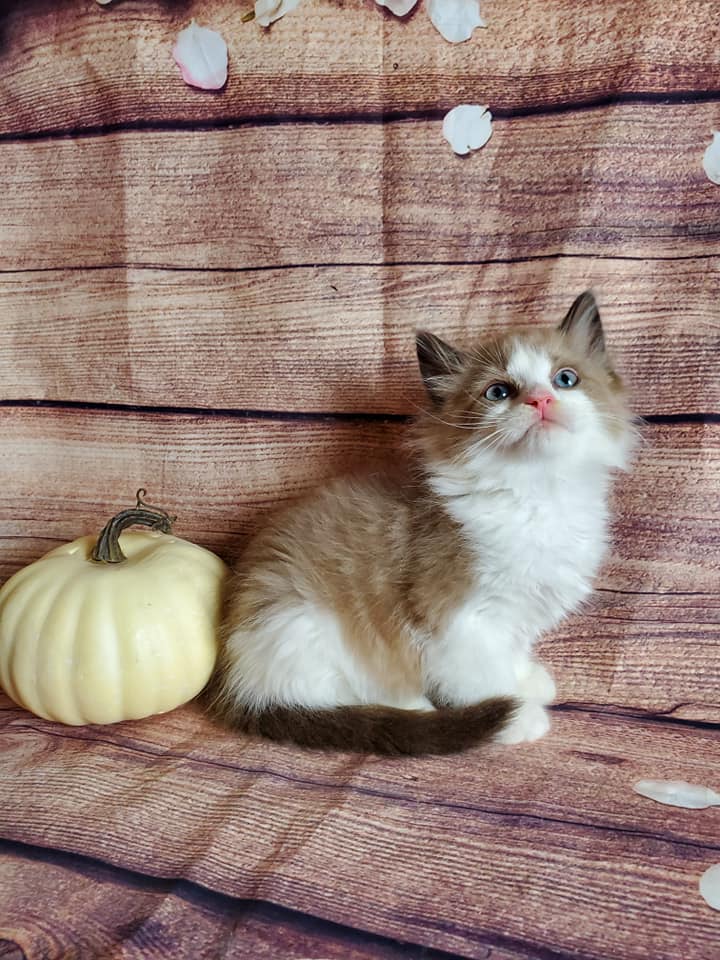
Finding the Safest Litter for Your Ragdoll's Tender Paws
Ragdolls earn their reputation as gentle giants with cloud-soft coats and famously mellow temperaments, yet those same paws often hide a surprising vulnerability. Many owners in Brisbane, Sydney, and Melbourne notice their cats stepping delicately around the litter tray or avoiding it altogether, which usually points back to the substrate itself. Choosing a comfortable litter becomes a daily welfare decision rather than a minor household preference.
Australian owners tend to keep their pets indoors more than in many other countries, partly because of cat containment legislation in states like the ACT and Victoria, and partly to protect native wildlife. With a fully indoor lifestyle, the litter tray becomes the cat's primary bathroom for years, so surface texture directly affects paw health, cleanliness, and stress levels. A fine, gentle substrate supports the natural burying instinct that Ragdolls usually display readily.
Climate also shapes the choice. Much of Australia experiences long dry spells, particularly through summer in Adelaide and inland regions, meaning dust from low-quality litter settles quickly on furniture and irritates both human and feline airways. A low-dust formula keeps the home cleaner and reduces paw pad dryness caused by gritty particles that draw out moisture.
Price matters too, especially when premium imported litters arrive in AUD at noticeably higher rates. Shopping at familiar chains like Petbarn or Petstock, or comparing options through Australian online pet retailers, helps owners balance quality with long-term costs.
Why Ragdoll Paws React So Strongly to Substrate
Ragdoll paw pads are thicker than those of many breeds, yet the skin between the toes is unusually soft and prone to irritation. Kittens from a small home cattery, raised on soft surfaces, often arrive in Australian homes with paws accustomed to gentle textures, making a sudden switch to coarse pellets feel like walking on gravel. Sensitivity shows up as over-grooming of the feet, small scabs between the toes, or reluctance to dig.
Ragdolls often have feather-light steps and do not dig vigorously, so a substrate that other cats might tolerate can still feel rough to them. Their long fur can trap granules against the skin, leading to matting and irritation when lower-quality litter sticks around the toes.
Vets across suburban Sydney and Perth frequently report litter-related pododermatitis in long-haired breeds, a condition that begins with mild redness and can progress to infection if ignored. Prevention usually starts with the substrate, before medication or dietary changes.
Texture and Grain Size Matter More Than Marketing Claims
The first decision is fine-grained or coarse-grained litter. Fine clumping clay, soft silica crystals, recycled paper pellets, and natural wood options each create a very different sensation underfoot. Ragdolls usually prefer finer textures that mimic sand, which aligns with their instinct to cover waste thoroughly.
Recycled paper litter has grown popular in eco-conscious suburbs like Fremantle and Byron Bay because it produces almost no dust and breaks down into soft pieces. Tofu-based litter, made from soybean fibre, has also entered the Australian market through online retailers and offers a silky feel that suits sensitive paws, though availability varies between capital cities.
Coarse pine or heavy clay pellets are often too abrasive for Ragdolls, particularly kittens under six months whose paw pads are still developing. Even adult cats can develop micro-abrasions from sharp-edged granules, which become entry points for bacteria.
Clumping, Absorption, and Tray Hygiene
Clumping litter offers easier daily maintenance, which matters in compact apartments common to inner Melbourne and Sydney where trays sit close to living areas. Hard clumps allow owners to remove waste without replacing the entire tray, keeping ammonia odours low and the surface consistently soft.
Non-clumping options, including many wood and paper varieties, require full tray changes more often but avoid the dust and chemical additives found in some clumping formulas. For Ragdolls with known sensitivities, this trade-off often makes sense, and many Australian owners settle on a routine of full changes every two to three days.
Tray depth should also be considered. A shallow layer of two to three centimetres lets paws rest comfortably without sinking into a deep pile, while still allowing natural digging behaviour. Covered trays help contain any scatter, useful in tiled apartments.
Scented Versus Unscented Choices
Fragranced litter appeals to owners wanting a fresher-smelling home, yet added perfumes often trigger paw and respiratory reactions in sensitive cats. Lavender, citrus, and baby-powder scents can irritate the delicate skin between the toes, and many Australian veterinarians recommend unscented options as a baseline rule.
Unscented clay or plant-based litter still controls odour when scooped regularly, particularly in well-ventilated homes common to Queensland's subtropical climate. Activated charcoal additives, available in several Australian brands, neutralise smells without the irritant effect of synthetic fragrance.
For households with multiple cats, an unscented clumping formula combined with a routine cleaning schedule tends to work better than heavily perfumed alternatives that simply mask odours for a short window.
Transitioning and Daily Maintenance
A gradual switch over seven to ten days prevents stress and gives paws time to adjust. Start with a mix of old and new litter, increasing the new substrate each day until the tray contains only the chosen option. Watch for paw licking, skipping the tray, or shaking the feet as signals of discomfort.
Storing unopened litter bags in a cool, dry part of the house, away from harsh Australian sun that can degrade paper and plant-based products, helps preserve texture and absorption. A small covered bin beside the tray keeps a top-up handy, simplifying daily care for busy owners.
| Litter Type | Paw Comfort | Dust Level | Odour Control | Cost in AUD (approx.) |
|---|---|---|---|---|
| Fine clumping clay | High | Low to moderate | Strong | $15 to $25 per 10 kg |
| Recycled paper | Very high | Very low | Moderate | $12 to $20 per 10 kg |
| Tofu or cassava | Very high | Low | Moderate to strong | $20 to $35 per 6 kg |
| Silica crystals | High | Low | Strong | $25 to $40 per 5 kg |
| Pine pellets | Low to moderate | Low | Moderate | $15 to $25 per 10 kg |
Quick Litter Options Worth Considering
- Fine-grain unscented clumping clay with low dust ratings
- Recycled paper pellets for very sensitive or post-surgery paws
- Tofu or cassava-based litter from Australian online suppliers
- Silica crystal litter for owners wanting longer intervals between changes
Signs Your Ragdoll Needs a Litter Change
- Repeated stepping in and out of the tray without digging
- Paw redness, scabbing, or over-grooming of the toes
- Avoiding the tray in favour of carpets or soft furnishings
- Visible dust accumulation around the tray area
Keeping the litter tray in a quiet corner of the home, away from noisy appliances and busy hallways, encourages consistent use and reduces the chance of accidents elsewhere. A consistent texture paired with steady cleaning gives a Ragdoll the confidence to settle into a routine that protects those famously soft paws for years to come.