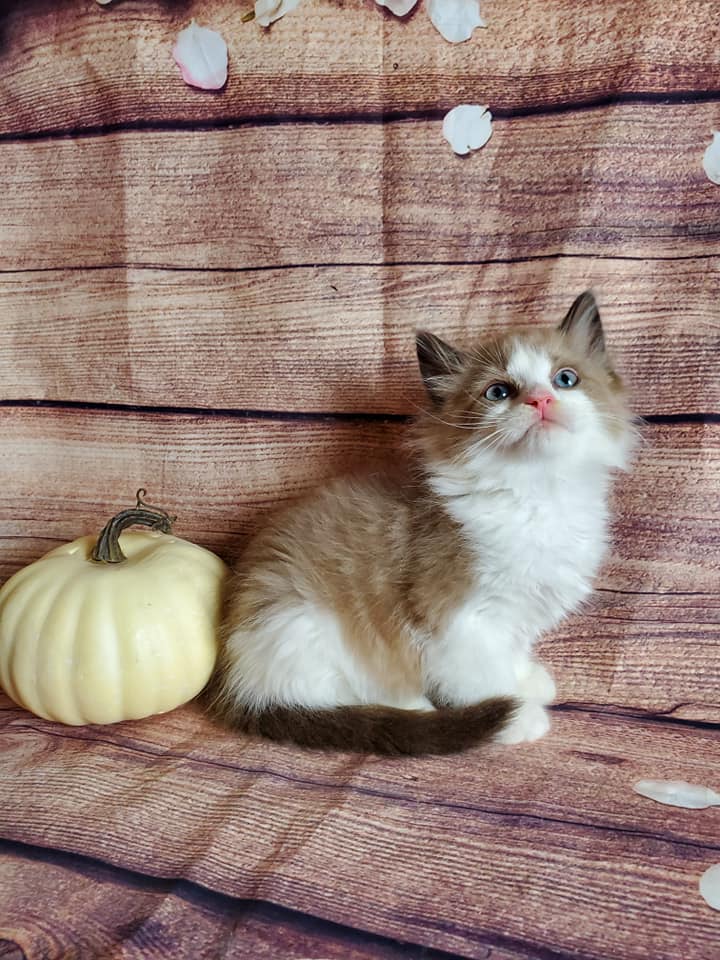
A daily routine that keeps your Ragdoll content and engaged
Ragdolls are famously affectionate, blue-eyed companions who often follow their owners from room to room. Their calm nature can be misleading, though — these cats still need structure, mental stimulation, and predictable interaction to truly thrive. Australian households, whether a townhouse in Brisbane or a high-rise apartment in Melbourne, offer an ideal indoor environment for the breed, provided the routine accounts for climate, apartment living, and the cat's social needs.
Building a consistent rhythm around feeding, play, grooming, and rest helps prevent behavioural issues and strengthens the bond between pet and owner. The goal is not to turn the day into a rigid schedule, but to weave small rituals that signal safety and connection. Over time, a Ragdoll learns when meals arrive, when the feather wand appears, and when it is time to settle on the bed for the night.
Reading your Ragdoll's natural rhythm
Ragdolls tend to be crepuscular, meaning their energy peaks at dawn and dusk. This aligns nicely with Australian household routines, where many people are up before the summer heat sets in or winding down after sunset. A typical day might include a burst of playful zoomies at first light, a long nap on a sunny window perch around midday, and a second wave of activity when the family gathers in the evening.
Climate plays a substantial role in shaping behaviour, particularly in regions that experience 40-degree summers. Many Australian owners rely on air conditioning or tiled living areas to keep indoor temperatures stable, since overheating can cause lethargy and dehydration. Providing access to cool places, such as tiled bathrooms or shaded balconies with secure screens, supports natural comfort. Owners in older Brisbane or Perth homes without ducted cooling often rotate ceiling fans and strategically placed cooling mats to keep their cats comfortable through January and February.
Morning rituals that set up calm behaviour
A predictable morning helps a Ragdoll transition from sleep to wakefulness without stress. Start with a quiet greeting, then offer fresh water — particularly important in dry inland areas or during a hot Adelaide summer. Many Australian vets recommend multiple water stations around the home, including a ceramic bowl away from food and a fountain to encourage drinking.
Light grooming follows naturally. A quick brush removes anything collected during the night and reduces shedding on furniture. This is also a chance to check ears, eyes, and paws. For owners who are arranging a kitten's arrival from interstate or abroad, reviewing the shipping details ahead of time helps ensure the transition from breeder to home is smooth and low-stress.
A short play session before you leave for work — even ten minutes with a wand toy — helps burn off early-morning energy. Owners in inner-Sydney apartments often combine play with training, teaching simple commands or recall using a clicker. This kind of engagement reduces the likelihood of attention-seeking behaviours, such as knocking items from benches, later in the day.
Midday enrichment for indoor living
Ragdolls raised in apartments or compact homes benefit from enrichment that occupies the hours between morning and evening interactions. Puzzle feeders slow down eating and engage problem-solving instincts, which matters for a breed prone to overeating if meals are left down all day. Window-mounted bird feeders, often called cat TVs, transform a balcony view into a wildlife channel — particularly effective in leafy suburbs of Melbourne or Hobart where native birds visit regularly.
Vertical space is just as essential as floor space. Cat trees, wall shelves, and tall scratching posts allow a Ragdoll to survey the room from above, satisfying their instinct to perch high. In shared households or multi-cat homes, providing more than one resting spot prevents competition and supports harmonious living. Rotate toys every few days to maintain novelty without overwhelming the cat.
Feeding timing and nutrition
Splitting daily rations into three or four small meals supports steady energy and reduces the begging behaviour common in social breeds. Wet food offered in the morning and evening, with dry kibble available during work hours, suits many Australian households. Choosing locally manufactured or veterinary-recommended diets ensures compliance with Australian pet food standards and reduces concerns about imported recalls. Fresh batches should be refrigerated and used within guidelines, particularly in warmer climates where wet food spoils faster.
Treats are best reserved for training and play. Free-feeding throughout the day often leads to weight gain, which is harder to reverse in a large, heavy-boned breed like the Ragdoll. Weigh portions, follow the feeding guide on the packaging, and adjust based on body condition and activity level. Australian vets can offer Body Condition Scoring during routine check-ups, which provides an objective measure beyond the scales.
Evening wind-down and rest
Ragdolls are renowned for following their owners to bed, and many happily snooze on the duvet once the lights dim. A consistent bedtime ritual — a final play session, a small bedtime treat, and a calm settling period — helps signal that the day is ending. Dim lighting, a familiar blanket, and a quiet room support deeper sleep.
Some owners prefer to keep the cat out of the bedroom to avoid early-morning wake-ups, while others welcome the companionship. Either approach works as long as it is consistent. Closing blinds, providing a covered bed, and maintaining a stable temperature help the cat settle.
The most rewarding routine is one that flexes around real life while keeping a few anchor points steady. Watch how your Ragdoll responds, adjust the timing of meals or play, and let the rhythm evolve naturally. A happy Ragdoll is rarely noisy or demanding — they simply appear in the doorway at the moment you reach for the treat jar, content in the knowledge that tomorrow will look much like today.