How to Create a Kitten-Friendly Playroom at Home
A dedicated playroom gives a kitten room to explore, climb, nap, and build confidence in a controlled environment. It also helps protect the rest of your home while your new companion learns household routines, scratching habits, and litter box manners.
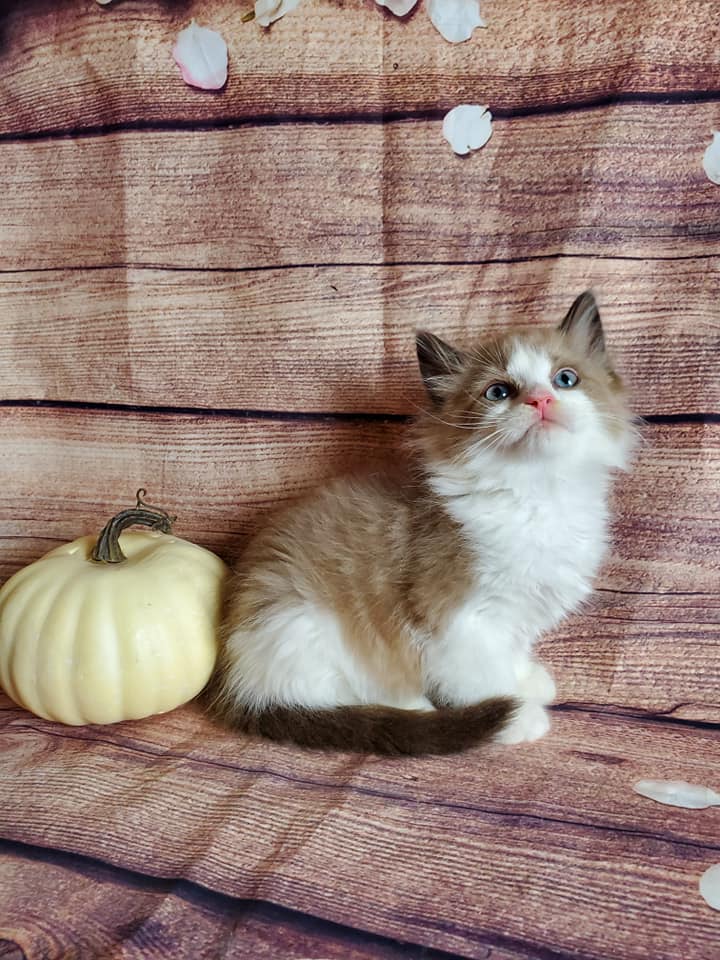
Ragdoll kittens are known for their gentle personalities, affectionate nature, and impressive size as adults. Their play space should therefore support active kitten behavior while remaining comfortable for a breed that often enjoys staying close to people.
A good room does not need expensive equipment. Thoughtful layout, secure materials, daily interaction, and a few age-appropriate toys can create an inviting indoor environment for both pet kittens and future therapy cats.
Choose a Safe, Comfortable Room
Select a quiet room with a door, good ventilation, and enough floor space for movement. A guest room, home office, or spare bedroom can work well. Avoid areas with exposed heating equipment, busy foot traffic, or long cords that a curious kitten might chew.
Check the room from a kitten’s viewpoint. Secure window screens, cover electrical outlets, remove toxic plants, and block gaps behind appliances or furniture. Keep blind cords, ribbon, plastic bags, and small objects out of reach because these items can cause choking or intestinal injuries.
Use washable rugs or foam play mats to create a warm, non-slip surface. Ragdoll kittens may enjoy gentle climbing, but the room should still include low, stable furniture rather than tall pieces that could tip over.
Build Zones for Play and Rest
Divide the room into clear activity areas. Place a scratching post and interactive toys in one corner, a cat tree or low climbing platform along a wall, and soft bedding in a quieter spot. Keeping these resources separate gives the kitten choices without making the room feel crowded.
Add a litter box away from food and water. A kitten may need a low-sided box at first, especially during the early adjustment period. Scoop it frequently and use unscented litter unless a veterinarian or breeder recommends another option.
A covered bed, fleece blanket, or sturdy cardboard box can serve as a retreat. Even social Ragdolls need a private place to sleep or settle after energetic play. Leave the entrance open and allow the kitten to decide when to come out.
Select Enrichment That Supports Healthy Development
Kittens benefit from toys that encourage stalking, pouncing, batting, and problem-solving. Wand toys, soft balls, spring toys, tunnels, and food puzzles offer variety. Rotate several toys every few days so familiar items remain interesting.
Always supervise toys with strings, feathers, elastic, or detachable parts. Put these away after interactive play. Battery-operated toys should also be checked regularly for loose covers or damaged seams.
Daily play sessions are more effective than leaving every toy on the floor. Several short sessions can help a kitten use energy, practice coordination, and form a positive bond with family members. Gentle handling of paws, ears, and fur during calm moments can also prepare the kitten for grooming and veterinary care.
Match Features to Your Kitten’s Needs
Ragdolls mature gradually and can grow into substantial cats, so choose scratching posts, beds, and climbing furniture with strong bases. Sisal scratching surfaces are useful for stretching, while horizontal scratchers may appeal to kittens that prefer to work close to the floor.
Keep food and water dishes clean and place them where the kitten can eat without being disturbed. Stainless steel or ceramic bowls are typically easy to wash. Fresh water should be available throughout the day, especially in a warm indoor room.
A kitten-friendly space should change as the kitten develops. Lower toys may be suitable at first, while larger climbing structures can be introduced as balance and confidence improve. Inspect every item regularly for loose threads, broken pieces, or unstable supports.
| Playroom Feature | Purpose | Safety Detail |
|---|---|---|
| Low cat tree | Encourages climbing and balance | Use a wide, stable base |
| Scratching post | Supports natural scratching behavior | Choose securely attached sisal |
| Washable mat | Adds comfort and traction | Avoid loose edges |
| Covered bed | Provides a quiet retreat | Keep the entrance unobstructed |
| Food puzzle | Offers mental stimulation | Use kitten-sized portions |
| Litter box | Supports routine and cleanliness | Place away from food |
Make Socialization Part of the Room
A playroom should support family interaction rather than isolate a kitten for long periods. Sit on the floor, speak softly, and allow the kitten to approach at its own pace. Short, positive encounters are especially valuable during the early days at home.
Introduce ordinary household sounds gradually. A low-volume vacuum cleaner, doorbell, television, or conversation from another room can help a kitten become familiar with daily life. Pair new experiences with play, treats, or calm affection so the room remains associated with security.
If children or other pets live in the home, use the door and baby gates to control introductions. Supervised visits are safer than allowing a kitten to manage unfamiliar attention alone. Every household member should learn to handle the kitten gently and respect its resting time.
Keep Cleaning and Health Routines Simple
Choose washable bedding and clean food areas frequently. Clean accidents with an enzymatic product so lingering odors do not encourage repeat marking. Avoid strong fragrances, aerosol sprays, and harsh chemicals in the playroom because cats are sensitive to many household scents.
Monitor eating, drinking, litter box use, energy, and behavior during the adjustment period. Changes can signal stress or illness and deserve prompt veterinary attention. Maintain vaccination, parasite prevention, and wellness care according to professional guidance.
Before bringing home a purebred kitten, families can discuss health information, temperament, and preparation details with the cattery. Those considering a kitten from Ragdoll Kittens Cattery can contact the cattery for current adoption information and guidance suited to their home.
A Practical Setup Checklist
Prepare the room before the kitten arrives so the first days feel calm and predictable.
- Secure cords, windows, furniture, plants, and small objects.
- Provide a litter box, food and water bowls, bedding, and a scratching surface.
- Add a few safe toys, a tunnel, and a stable low climbing option.
- Create a quiet retreat where the kitten will not be disturbed.
- Plan short daily play and socialization sessions with adult supervision.
Once the room is ready, allow the kitten to explore gradually rather than placing every object in the center at once. A calm layout, dependable routine, and patient attention will help transform a spare room into a secure home base.
Prepare the space before adoption day, then enjoy watching your Ragdoll kitten turn it into a place for play, rest, and growing trust.