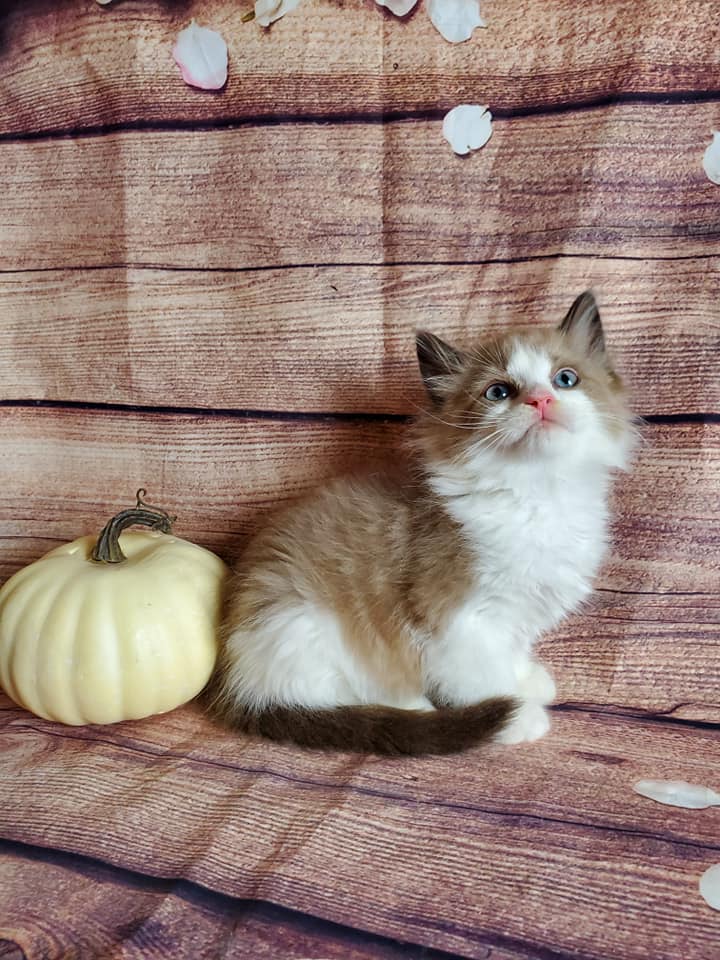
How to Create a Quiet Zone for Your Ragdoll
Ragdolls are known for their gentle temperaments, affectionate nature and tendency to follow their people from room to room. That social confidence can make them wonderful companions, yet every cat still needs a retreat where household noise, visitors and daily activity can fade into the background.
A quiet zone gives your Ragdoll a reliable place to sleep, settle after play or recover from a busy day. In an Australian home, the best location may need to account for summer heat, open-plan living, children, pets, strata rules and occasional noise from storms, building work or neighbourhood activity.
Choose A Calm, Practical Location
Look for a room or corner away from the front door, kitchen appliances, televisions and busy walkways. A spare bedroom, study, enclosed verandah or quiet section of the lounge can work well, provided the space is secure and free from draughts. Avoid placing the bed beside a washing machine or under a window that receives harsh afternoon sun.
Australian homes can become very warm, particularly in Brisbane, Perth or inland areas during summer. Keep the zone out of direct sunlight and make sure your Ragdoll can reach a cool floor surface. In winter, avoid cold air coming through older windows or under doors, especially in homes around Canberra, Tasmania or the Victorian high country.
The area does not need to be large. A low-traffic corner with a bed, water, scratching surface and a little vertical space is often enough. If you live in an apartment, select a location that does not block a shared hallway or breach strata requirements for enclosed outdoor areas.
Build Comfort With Familiar Scents
Use soft bedding that carries familiar household smells rather than strongly perfumed detergents. A washable fleece blanket, cotton towel or padded cat bed allows your Ragdoll to choose how much warmth it wants. Keep one spare cover ready so the area can be cleaned without removing every familiar scent.
A covered bed or sturdy cardboard hideaway can help a cautious cat feel protected. Leave the entrance facing the room rather than pushing it directly against a wall, so your Ragdoll can observe activity without feeling trapped. Some cats prefer an open cushion, while others settle better inside a covered retreat; offer both where space permits.
A pheromone diffuser may be useful for some cats, but it should support, rather than replace, sensible environmental changes. Avoid incense, essential-oil diffusers and strong air fresheners near the quiet zone, since many concentrated fragrances can irritate cats or create an unpleasant sensory load.
Reduce Household Noise
Sound is often the difference between a peaceful retreat and a space your cat avoids. Place the zone away from speakers, gaming consoles and the clatter of a dishwasher. Close internal doors during vacuuming, and give your Ragdoll the option to retreat before guests arrive.
For homes near a busy road, train line or barking dogs, curtains, rugs and upholstered furniture can soften sudden sounds. Low-volume background noise, such as a quiet fan or gentle radio, may help mask sharp outdoor sounds, but silence is usually preferable when the home is already calm.
During thunderstorms, fireworks or bushfire-related activity, keep windows shut and monitor indoor air quality. Smoke can travel inside quickly on poor-air days, so a cool, filtered room with clean water and familiar bedding is safer than an exposed balcony or outdoor cat enclosure.
Keep The Zone Safe And Accessible
A quiet area should remain available whenever your Ragdoll chooses to use it. Do not turn it into a storage space or regularly disturb the cat while it is sleeping. Children should learn that a cat hiding or resting is asking for uninterrupted time, not inviting a cuddle.
Secure electrical cords, blind cords, small objects and unstable shelves. Check that flyscreens are firmly fitted, as Australian homes often rely on open windows for ventilation. Never place the zone near lilies, toxic houseplants, hot heaters or a balcony with gaps that could allow escape.
Keep food and litter separate from the sleeping area. A water bowl can sit nearby, but litter trays are best positioned in a quiet, easily cleaned location with a clear route to and from the tray. This is especially important for Ragdolls, whose long coats can pick up litter if the tray is cramped or poorly placed.
Make Calm Part Of The Daily Routine
Use the zone at predictable times, such as after breakfast, after an energetic play session or when the household begins settling for the evening. Reward voluntary visits with a gentle voice, a small treat or quiet stroking if your cat enjoys touch. Avoid carrying your Ragdoll there as a punishment or shutting it in for long periods.
Daily play can make the retreat more effective. A short wand-toy session followed by food and rest reflects a natural hunt, eat and sleep pattern. On hot Australian days, move active play to early morning or evening and keep the quiet area cooler during the afternoon.
If you are preparing for visitors, a move, renovation or a new baby, introduce the zone well in advance. For practical ideas about ongoing support after bringing home a kitten, review this guidance on lifetime kitten support, including the value of maintaining familiar routines.
Adjust The Space To Your Cat
Watch how your Ragdoll uses the room rather than assuming the first arrangement is perfect. A cat that sleeps beside the entrance may want visibility, while one that presses into a covered bed may need more privacy. Excessive hiding, appetite changes or new toileting problems deserve veterinary attention rather than simple rearrangement.
You can refine the zone with a perch, a scratcher or a washable mat. Choose stable furniture with rounded edges, and consider carefully selected pet comfort accessories when you need practical additions that suit your home. Avoid filling the area with toys if your cat prefers a clear, uncluttered retreat.
| Quiet-zone element | Useful choice | What to avoid |
|---|---|---|
| Location | Low-traffic indoor corner | Front door, kitchen or direct sun |
| Bedding | Washable cotton or fleece | Strongly scented fabrics |
| Shelter | Stable covered bed or box | Unstable piles or narrow gaps |
| Sound control | Closed doors, rugs and curtains | Loud speakers or constant activity |
| Temperature | Shade, airflow and cool flooring | Hot verandahs or cold draughts |
| Safety | Secure cords, screens and shelves | Toxic plants and escape routes |
A successful quiet zone feels available rather than forced. Start with a bed, hideaway and water bowl in a cool, low-traffic place, then observe your Ragdoll’s preferred position for several days. Tonight, place the first setup away from direct sun and household noise, and leave it undisturbed for your cat to investigate.