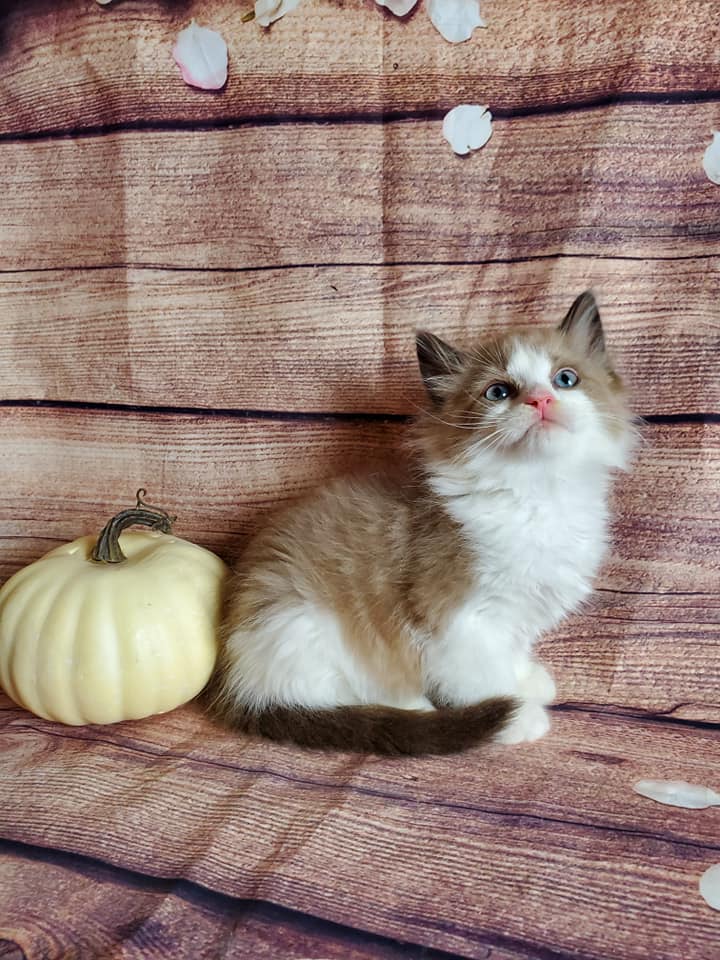
Building a scratching post setup your Ragdoll will actually love
Ragdolls are often described as gentle, placid, and somewhat floppy companions, but their claws still need somewhere appropriate to go. Without a designated scratching surface, those magnificent paws tend toward the corners of sofas, the edges of rugs, and the bark of any indoor plants that happen to survive long enough to become targets.
A well-designed scratching station protects your furniture, supports healthy claw shedding, and gives your cat a way to stretch, mark territory, and relieve stress. The investment pays off quickly when your Ragdoll chooses the post over the lounge suite.
In Australia, where most councils and state authorities encourage or require cats to remain indoors for the protection of native wildlife, scratching furniture is more than an inconvenience. It is a behavioural need that must be redirected toward something acceptable inside the home, particularly in places such as the ACT, where mandatory containment laws have been in place for years.
This guide walks through the practical decisions involved in creating a setup your Ragdoll will use, from materials and placement to the subtle cues that invite a cat to engage with a new structure.
Reading your Ragdoll's scratching signals
Before choosing a post, it helps to understand what triggers the behaviour. Cats scratch to stretch the muscles of their shoulders and back, to shed the outer husk of their claws, and to leave both visual and scent marks from glands in their paws.
Ragdolls, despite their relaxed reputation, often enjoy a vigorous scratch after a nap or a meal. Watch for the moment your cat stands on hind legs, leans into a surface, and pulls downward with the front paws. The surface chosen will usually be vertical, sturdy, and slightly textured.
If your Ragdoll currently scratches a particular sofa arm or doorframe, take note of the angle and the texture. A cat that favours the vertical corner of a couch needs an upright post, while one that tears at flat rugs prefers a horizontal mat. Matching the existing preference dramatically increases the chance of acceptance.
Comparing scratching post styles
| Style | Best for | Ragdoll suitability | Typical lifespan |
|---|---|---|---|
| Upright sisal post | Vertical scratchers, stretching | Excellent for adult size | 3–5 years |
| Horizontal cardboard pad | Flat-surface scratchers | Good for kittens and seniors | 6–12 months |
| Angled or sloped ramp | Older cats, joint issues | Very good for relaxed breeds | 2–4 years |
| Carpet-covered tower | Multi-cat homes, climbers | Acceptable but sheds fibres | 2–3 years |
| Log or natural wood | Heavy scratchers, texture variety | Excellent if sealed and stable | 5+ years |
Picking materials that withstand the weight
Ragdolls are one of the larger domestic breeds, often reaching six to nine kilograms, and a flimsy post will wobble under the first enthusiastic stretch. Heavy bases, solid timber cores, and dense sisal rope are far more reliable than the lightweight carpeted towers sold as starter kits.
Sisal rope remains the gold standard because it satisfies the downward pull of the claws and sheds visibly, leaving the cat with a sense of accomplishment. Avoid posts covered in the same carpet as your flooring, since the similar texture can confuse a young cat into treating your rugs as fair game.
Sealed Australian hardwoods such as spotted gum or blackbutt work beautifully for custom builds and are widely available through timber merchants in Brisbane and Melbourne. Skip any softwoods treated with aromatic oils, which can irritate a cat's respiratory system.
Placing the post where it counts
Location is often the difference between a post that gathers dust and one that wears out from use. Cats prefer to scratch in socially significant areas, which usually means the living room, a hallway, or near the front door where visitors arrive.
If you live in a Sydney apartment, positioning the post near a window can be especially effective, as Ragdolls enjoy watching the world while they groom and stretch. In a Brisbane house with a covered outdoor cat enclosure, a second post placed inside the catio gives your cat an option away from the rain and humidity.
Avoid tucked-away corners where a post feels hidden. Even the most expensive setup will be ignored if it sits in a spare room that the cat rarely visits.
Vertical, horizontal, or both
Most Ragdolls appreciate a tall vertical post that allows a full-body stretch, with at least ninety centimetres of usable height above the base. A horizontal scratcher on the floor is a useful complement, particularly for older cats with stiff joints or for kittens still developing coordination.
A combined setup, sometimes called a scratching tower, offers both options in one footprint and suits Australian homes where space is at a premium. In compact Melbourne townhouses or Perth units, a single tall tower can replace a separate post and pad.
Some owners add a small platform or perch near the top, which turns the structure into a piece of cat furniture your Ragdoll can climb, rest on, and scratch throughout the day.
Encouraging first use
A new post needs a little encouragement. Sprinkle a small amount of catnip on the base, rub a soft cloth on your cat's cheeks to gather scent, then wipe it along the post. Many cats respond by investigating immediately.
Gently place your cat's front paws on the post and reward the first scratch with a treat or a calm word. Avoid forcing the paws or holding them in place, which creates distrust. Repeat the routine twice a day for the first week.
Feline pheromone sprays, available at Petbarn and PETstock stores across Australia, can also reduce hesitation when introducing new furniture. Spray the post lightly about fifteen minutes before inviting your cat to investigate.
Keeping the setup in use
Vacuum the base weekly to remove claw husks and refresh the texture. Rotate the post a quarter turn every few months so the wear pattern stays even and the surface remains engaging.
If your Ragdoll suddenly stops using the post, check for changes in the household such as a new pet, a rearranged room, or a different brand of litter. Cats often redirect behaviour when they feel unsettled, and a once-loved post may simply need to be moved to a quieter spot or replaced after several years of faithful service.
Measure the spot in your home where your cat already scratches, choose a post that matches that angle, and place it within arm's reach of the current target so the transition feels natural.