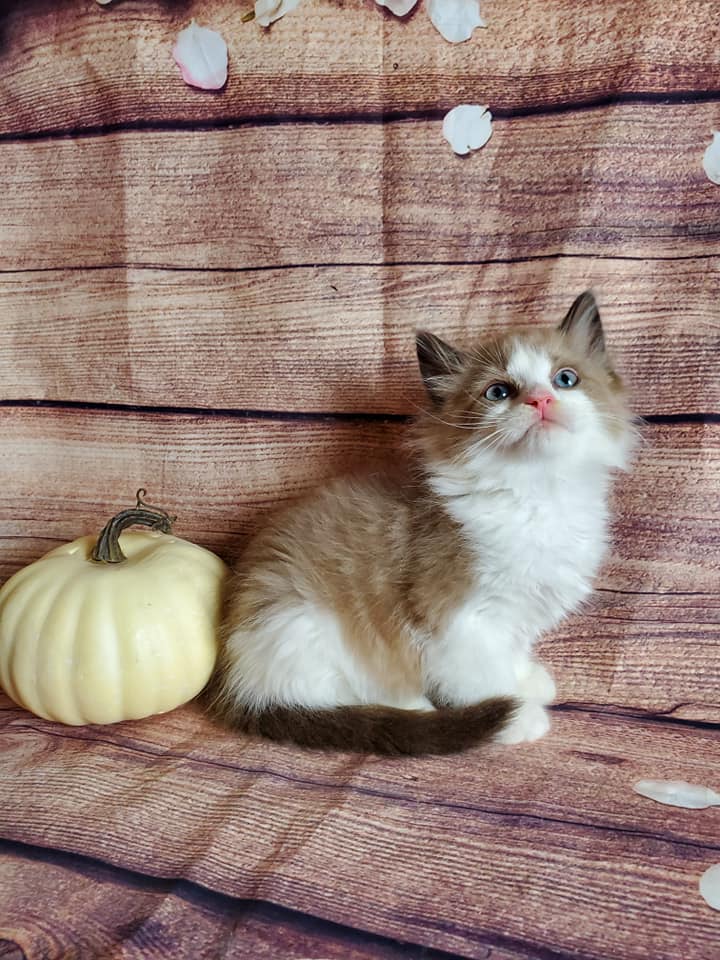
Building Trust with a Shy Ragdoll Kitten
Ragdoll kittens are renowned for their plush coats, striking blue eyes, and famously affectionate personalities. Yet some arrive in their new homes carrying more caution than confidence, hiding behind furniture or flattening their ears at sudden noises. For Australian families welcoming one of these gentle giants, the journey toward a secure attachment is both delicate and deeply rewarding.
Hobby catteries from Melbourne to regional Queensland notice that even well-socialised kittens can become reserved during the transition to a new environment. Changes in scent, sounds, and routine unsettle them. Understanding shyness as a survival response rather than a personal rejection helps owners approach bonding with empathy.
Trust-building cannot be rushed, and owners who respect this timeline enjoy the strongest lifelong bonds with their cats. The process usually unfolds over weeks, requiring consistent presence and predictable routines. Australian open-plan households often need thoughtful adjustment to suit a timid feline.
The following sections walk through practical steps combining feline behavioural science with advice tailored to Aussie homes, helping your shy Ragdoll blossom into the relaxed companion the breed is celebrated for.
Creating a Safe Haven
Before trust can grow, a kitten needs a sanctuary. Choose a quiet room with soft natural light and minimal foot traffic. A spare bedroom, study, or laundry works well, provided it stays warm during chilly Hobart winters or cool through a Brisbane summer.
Equip the space with a cosy bed, a covered igloo hideaway, a litter tray placed away from food, and a sturdy scratching post. Adding a worn item of your clothing helps your kitten adjust to your scent. Keep the door closed initially, allowing visits that grow longer as confidence increases.
Resist the urge to drag the kitten out for cuddles or show them off to visiting friends. Let the sanctuary remain off-limits to children and other pets until your kitten emerges voluntarily. Greencross Vets remind owners that a kitten who controls their own approach is a kitten who learns to trust.
Reading Body Language
Cats communicate through subtle posture shifts, and interpreting these signals prevents well-meaning interactions from backfiring. A relaxed Ragdoll holds its tail in a soft question-mark curve, ears forward, and eyes half-closed. A stressed kitten tucks low, pupils dilating, and twitches its tail tip.
Watch for the slow blink, often called a "kitten kiss" by Australian cat lovers. Returning this gesture is one of the most powerful ways to communicate affection. Whisker position also reveals mood; whiskers pushed forward indicate curiosity, while flattened whiskers signal anxiety.
If your kitten's ears rotate sideways like satellite dishes, they need space. Backing away calmly teaches them you respect their boundaries, which paradoxically encourages them to seek you out sooner. This aligns with RSPCA Australia's positive-reinforcement welfare philosophy.
Slow Movements and Soft Voice
Sudden movements trigger a prey-animal response in even the most confident cat. When entering your kitten's room, move deliberately and unhurried. Lower yourself to the floor rather than looming overhead, as height feels threatening to a small animal.
Speak in low, melodic tones. Australians instinctively soften their voices around animals, mimicking the frequency cats associate with contentment. Avoid direct eye contact during early interactions; offer sideways glances that feel less confrontational.
Sitting quietly while reading normalises your presence. Many owners report their kitten eventually creeping closer to rest a paw on their shoe. These tiny milestones matter more than any forced handling session.
Food as a Trust Bridge
Mealtimes offer excellent opportunities to reinforce positive associations. Offer a small portion of something irresistible by hand, keeping your palm flat. A balanced nutritional foundation supports emotional stability, which is why exploring a balanced diet with taurine can make a real difference in how settled your kitten feels.
Petbarn and Petstock stock premium kitten foods meeting Australian standards, though always transition gradually over seven to ten days. Hand-feeding kibbles during quiet moments builds a bridge between hunger, safety, and your presence.
Avoid free-feeding during the bonding phase, as scheduled meals create predictable opportunities for connection. A kitten who knows dinner arrives at six each evening starts anticipating your arrival with excitement rather than dread.
Play Therapy and Engagement
Play is the language of cats, and an interactive wand toy works wonders for a shy kitten. Feathers, ribbons, or flying-fox imitations allow expression of natural hunting behaviours while associating you with fun. Keep sessions short, around ten minutes, and end while your kitten still wants more.
Rotate toys every few days to maintain novelty. A ping-pong ball in a bathtub creates hours of entertainment. Avoid laser pointers as the sole play tool, since the inability to catch anything can leave some cats frustrated.
Schedule play just before meals to mimic the natural hunt-eat-groom-sleep cycle. Australian feline behaviourists frequently recommend this pattern because it satisfies instinctual drives and encourages restful sleep.
Daily Routine and Lasting Bond
Predictability is the cornerstone of feline security. Feed at the same times each day and maintain a consistent litter-cleaning schedule. Ragdolls often follow their humans once trust is established, and many Australian owners cherish this velcro-like attachment.
As confidence grows, gradually expand your kitten's territory. Open the sanctuary door for short supervised explorations, then increase access as they navigate the home. Provide vertical spaces like cat trees near windows, where they can survey their kingdom.
Trust deepens over years. The shy kitten who once hid under the bed eventually becomes the cat who greets you after a long arvo, curls on your lap during evening telly, and gently head-butts your chin as you drift off.
| Signs Your Kitten Is Gaining Trust | Signs Your Kitten Feels Pressured |
|---|---|
| Approaches you voluntarily | Hides whenever you enter the room |
| Slow blinks in your presence | Dilated pupils and flattened ears |
| Rubs against your hand or leg | Swats or hisses during interaction |
| Purrs during gentle handling | Trembles or freezes when touched |
Patience remains the most valuable currency with a shy Ragdoll. Some kittens bloom within a fortnight, others need three months to settle, and both timelines are normal. The most effective practice you can adopt tomorrow is sitting on the floor near your kitten's hiding spot, reading aloud calmly for fifteen minutes without expecting any response. By removing pressure and simply existing peacefully in their space, you communicate safety in the only language a wary cat truly understands.