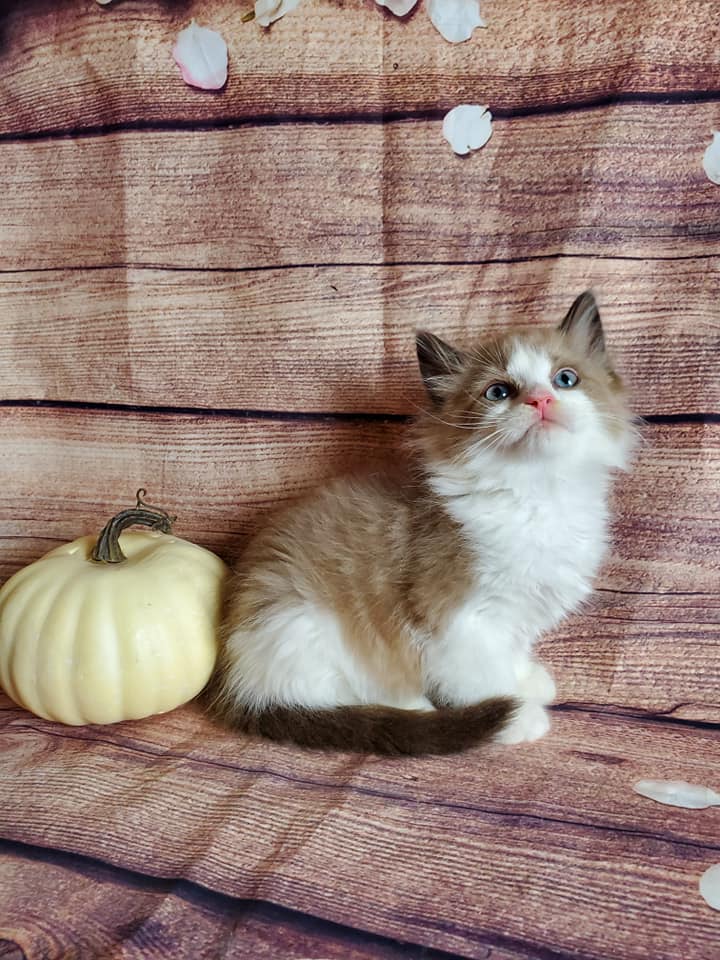
How To Find A Reputable Ragdoll Breeder In Montana
Finding a reputable Ragdoll breeder in Montana takes more than searching for available kittens. A responsible cattery should be transparent about health testing, breeding practices, kitten care, registration, and the support provided after adoption. These details help families distinguish an ethical breeder from a seller focused primarily on quick placements.
Montana buyers may also need to consider travel between communities, seasonal weather, veterinary access, and safe transportation. Whether you live near Helena, Billings, Bozeman, Missoula, or elsewhere in the state, a thoughtful breeder should answer questions clearly and help you decide whether a Ragdoll is a suitable match for your household.
Ragdolls are known for their affectionate personalities, striking blue eyes, soft semi-long coats, and tendency to form close bonds with people. Learning about Ragdoll breed history can provide useful context before you evaluate breeders or choose a kitten.
Look For Verifiable Breeder Standards
A reputable Montana Ragdoll breeder should be willing to identify the organization through which the cattery is registered. TICA registration, for example, can demonstrate participation in a recognized cat association, although registration alone does not guarantee excellent breeding practices. Ask for the cattery name, registration details, and information about the parents of available kittens.
Look for a small, deliberate breeding program rather than constant availability of many litters. Limited kittens may indicate that the breeder is prioritizing the health, temperament, and individual care of each cat. The breeder should also explain why particular cats are paired and how those choices support the Ragdoll standard and family-friendly temperaments.
Confirm Health Testing And Veterinary Care
Health screening should be specific rather than described with vague phrases such as “healthy parents.” Ask whether breeding cats have been screened for hypertrophic cardiomyopathy, commonly called HCM, as well as FIV and FeLV. Screening for feline heartworm disease may also form part of a broader preventive care program, especially when recommended by the attending veterinarian.
Request records appropriate to the kitten’s age, including veterinary examinations, vaccinations, deworming, and any microchip information. A responsible breeder should explain what has been completed and what care will be due after the kitten goes home. They should also discuss known hereditary concerns in the breed and provide realistic information instead of promising that every health issue has been eliminated.
Visit The Kitten’s Living Environment
Whenever possible, visit the cattery in person or arrange a live video tour. Kittens raised indoors in a clean, cage-free family environment should have opportunities to explore, rest, play, and interact with people. The space should appear organized and comfortable, with fresh water, suitable litter areas, enrichment, and safe sleeping spaces.
Daily handling is valuable because it helps kittens become familiar with ordinary household experiences. Ask how the kittens respond to grooming, gentle restraint, household sounds, visitors, and routine handling. A breeder should be able to describe each kitten’s personality rather than treating every kitten as interchangeable.
Pay attention to the adult cats as well. They should appear alert, appropriately socialized, and cared for. A breeder who avoids reasonable questions about the living conditions or refuses to show where the cats are raised deserves careful scrutiny.
Review The Adoption Agreement
A written contract should explain the kitten’s purchase price, registration status, health guarantees, spay or neuter expectations, return policy, and responsibilities for both parties. Read the document before sending a deposit. A clear agreement protects the kitten and provides a practical plan if your circumstances change.
Ask whether the kitten is being placed as a pet or with breeding rights. Many purebred kittens are sold with limited registration, meaning they are intended as loving companions rather than part of a breeding program. If you hope to adopt a therapy cat, discuss temperament, confidence, and social behavior instead of relying only on color or markings.
A trustworthy breeder should remain available after adoption. This support may include feeding guidance, grooming advice, transition tips, vaccination records, and help interpreting normal adjustment behaviors. The breeder should also be willing to receive a cat back or help arrange a safe rehoming if the placement cannot continue.
Compare Signs Before Choosing
Use the following distinctions when comparing a Montana cattery with other options. No single item proves that a breeder is responsible, but the overall pattern can reveal whether the program is focused on long-term welfare.
| Area | Responsible Practice | Warning Sign |
|---|---|---|
| Availability | Limited litters and thoughtful placement | Many kittens always available |
| Health | Specific screening and veterinary records | General claims without documentation |
| Environment | Indoor, clean, enriched, and family-oriented | Unclear housing or restricted access |
| Socialization | Daily handling and individual temperament updates | Little information about behavior |
| Contract | Written terms, health details, and return support | Pressure to pay before reviewing terms |
| Communication | Honest answers and ongoing guidance | Evasive responses or urgent sales tactics |
Ask Focused Questions Before A Deposit
Prepare questions in advance so an exciting kitten does not distract from important details. A reputable breeder should welcome informed families and give complete answers without making you feel rushed. You should also be comfortable explaining your household, other pets, work schedule, and expectations for companionship.
Useful questions include:
- Which health tests have been completed for the sire and dam?
- How are the kittens socialized and handled each day?
- What veterinary care will the kitten receive before adoption?
- What does the contract say about registration, sterilization, and returns?
- What support is available after the kitten arrives in my Montana home?
Pay attention to the quality of the conversation. A good breeder may ask as many questions about you as you ask about the kitten. That screening process helps ensure that the placement is safe, realistic, and suited to the cat’s needs.
Evaluate Color And Temperament Together
Ragdoll kittens may have different color patterns and markings, including pointed, mitted, bicolor, and lynx variations. Appearance can be part of your preference, but temperament, health, and compatibility should carry greater weight. Color descriptions should also be discussed carefully because some markings develop or become more defined as the kitten matures.
Families seeking a therapy cat should focus on calmness, resilience, sociability, and comfort with gentle interaction. No breeder can guarantee a particular career or personality, but an experienced breeder can describe observed behavior and help identify kittens with suitable traits. Ask how the breeder evaluates confidence, playfulness, and response to new experiences.
A reputable breeder in Montana will help you choose a kitten based on the whole animal rather than selling a color trend. This approach supports better matches and reduces the chance that a family adopts a kitten based on appearance alone.
Begin With A Careful Conversation
Start by contacting a cattery with a concise description of your home, the people and pets who live there, your preferred timing, and whether you are seeking a companion or potential therapy cat. Ask for health information, adoption terms, and details about the kitten’s daily environment before discussing a deposit.
If the answers are clear and the program reflects careful socialization, veterinary attention, and responsible placement, arrange a visit or video call. Take time to compare information, review the agreement, and choose the Ragdoll kitten whose health and temperament fit your household. Contact Ragdoll Kittens Cattery to begin that conversation and learn about current adoption opportunities in Montana.