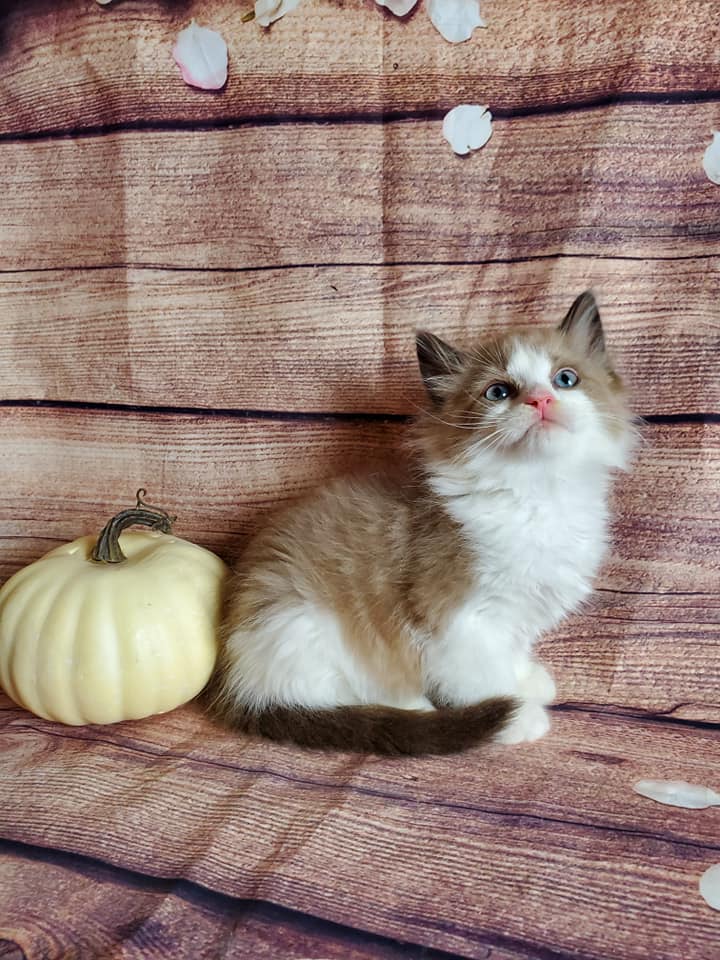
a Trusted Ragdoll Breeder in Montana From Down Under
Bringing home a pedigree kitten from across the Pacific is a big call, especially when you're after a specific breed like the Ragdoll. These gentle, floppy cats have won over Australian living rooms from Perth to Brisbane, and plenty of families are now looking beyond local options to find their perfect match. A small, TICA-registered hobby cattery tucked away in Helena, Montana, run by a breeder who raises kittens underfoot, screens parents for heart conditions, and treats every litter like part of the family, can sound like a dream compared to sifting through classifieds or pet shop windows.
The catch is that finding a reputable breeder when you're based in Sydney, Melbourne, or anywhere else in Australia takes a bit of homework. Distance, time zones, and strict biosecurity rules mean the search has to be thorough, fair dinkum, and well-planned before you commit to a kitten. With the right approach, though, Aussie cat lovers can confidently identify a cattery that prioritises health, socialisation, and transparent practices.
What follows is a straightforward guide to spotting a breeder worth your money and trust, with practical tips tailored to people organising a kitten pickup or transport from the United States to Australian shores.
Look for Registration With a Recognised Body
Any breeder worth considering should be registered with a recognised feline association. In the United States, TICA (The International Cat Association) and CFA (Cat Fanciers' Association) are the most common, and either indicates the cattery has agreed to abide by a code of ethics covering breeding practices, record-keeping, and welfare standards. An unregistered hobby breeder operating out of a garage or shed is a red flag, particularly when you're paying for a purebred kitten and arranging expensive international logistics.
For Australians, it also helps to understand how local feline registries work. Organisations such as ANCATS and the Feline Control Council of Victoria maintain their own stud books and breeder directories, but these only cover cats bred locally. If you're importing, you're effectively relying on the American registration as proof of pedigree, so always ask to see the paperwork before you send a cent.
Insist on Transparent Health Testing
Reputable Ragdoll breeders don't shy away from talking about health. HCM (hypertrophic cardiomyopathy) is the single biggest genetic concern in the breed, and a serious cattery will have breeding cats screened regularly by a veterinary cardiologist. Tests for FIV, FeLV, and feline heartworm should also be standard practice, and the results should be available for you to view on request.
This matters even more when your kitten will eventually live in Australia, where pet ownership often comes with steep vet bills and where pet insurance penetration is among the highest in the world. Aussies are used to scrutinising policies and asking hard questions about coverage, so apply the same scepticism when reviewing a breeder's health documentation. A breeder who resists showing test results or becomes evasive about genetic conditions is not the right fit.
Assess the Socialisation Environment
A Ragdoll's famously docile nature isn't an accident. Kittens raised in a noisy, busy household with daily handling tend to grow into confident, affectionate adults that thrive in family homes, apartment blocks, and even retirement villages. A reputable Montana cattery will describe a cage-free, family-raised setup, where kittens are exposed to vacuum cleaners, kids, and other pets before they leave.
From an Australian perspective, this socialisation is especially valuable in dense urban areas like inner Melbourne or Parramatta, where cats often live in apartments and rarely venture outside. A well-socialised kitten settles faster, copes better with the occasional visit from a mate, and adapts to the long, quiet arvos spent indoors during a heatwave. Ask breeders for videos or photos of the kittens interacting with people, and request updates as the litter grows.
Understand the Logistics of Importing to Australia
Australia has some of the strictest animal import rules on the planet, and that includes cats from the United States. The Department of Agriculture requires at least 180 days of preparation, including microchipping, two rabies vaccinations, blood titre testing, and a period in an approved country of export. On top of that, most kittens will need a registered importer or transport agent to manage the paperwork and the flight itself.
Factor these costs and timelines into your decision. If a breeder is vague about export experience or unwilling to coordinate with an Australian import agent, keep looking. A fair dinkum operation will have walked other families through the process, provide health certificates timed to the travel window, and be ready to answer detailed questions about feeding, vaccinations, and microchip numbers.
Build a Real Relationship Before You Commit
The final and arguably most important step is communication. A reputable breeder will happily jump on a video call, despite the time difference between Helena and the eastern states, and will ask as many questions about your home as you ask about their cattery. They will want to know whether you have a secure indoor setup, whether you plan to let your cat outside (most Australian vets strongly advise against it), and whether you've thought about lifetime care.
Breeders who follow up after the kitten arrives, send regular photos during the journey, and remain available for advice years down the track are the ones who genuinely care about their animals. Building that rapport early is the best way to know you're not just buying a kitten, but joining a small community of Ragdoll enthusiasts spread across the globe.
The smartest move any Australian buyer can make is to start the conversation early, ask for proof of every claim, and prepare for the import process long before a kitten is ready to leave the cattery. Doing the groundwork turns what feels like a massive leap into a well-supported, rewarding addition to the family.