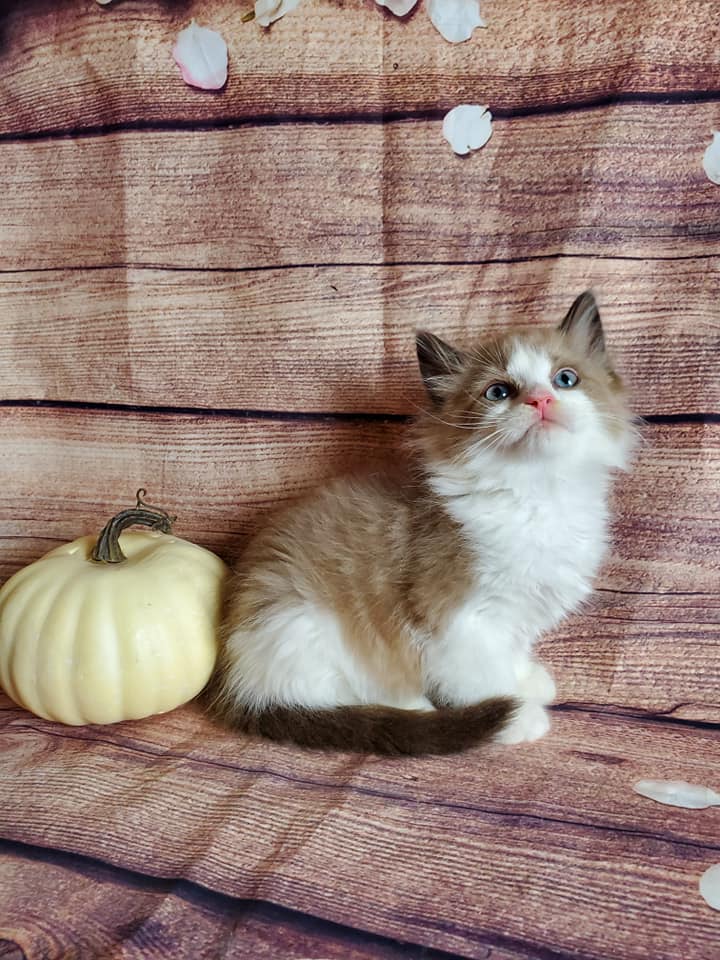
Ragdoll Cat Shedding Through Australia's Shifting Seasons
Ragdoll cats wear one of the most luxurious coats in the feline world, a semi-long, silky double layer that feels closer to rabbit fur than typical cat hair. That beauty comes with a predictable trade-off. As daylight hours stretch or shrink, the undercoat loosens and drifts onto furniture, clothing, and the occasional cup of morning tea. Seasonal shedding in Ragdolls is rarely constant, but it can feel relentless for a few weeks each year.
Australia runs on a different clock than Europe or North America. Spring begins in September and autumn in March, which means a Ragdoll in Melbourne, Hobart, or Adelaide is gearing up for a heavy coat blow right when European-bred literature talks about winter coats. For owners in Cairns or Darwin, the seasonal trigger is less about temperature and more about humidity shifts and the build-up to the wet season.
Ragdolls are known for their docile, people-focused temperament, and they typically tolerate regular grooming better than many breeds. Their coat lacks a dense woolly undercoat compared to a Persian, but they still drop enough loose hair during a transition to fill a vacuum canister in a week. Preparing for these swings keeps the home cleaner, reduces hairballs, and lets the cat feel comfortable rather than itchy.
The key is building a routine that flexes with the calendar rather than fighting against biology. A few well-chosen tools, a thoughtful diet, and an awareness of how Australian weather patterns affect indoor heating and cooling will handle most of the problem before it starts.
Understanding the Ragdoll Coat and Seasonal Moulting Cycle
Ragdolls carry a guard coat over a soft, insulating undercoat that thickens when days shorten and thins when days lengthen. The hormonal signal behind this rhythm is triggered by photoperiod, which is why even a strictly indoor cat in Brisbane or Perth will still respond to changing daylight through the windows.
Most Ragdolls go through two noticeable moults a year, one around late winter to early spring and another in mid to late autumn. Some cats, particularly those exposed to artificial heating through a chilly Adelaide winter or air-conditioning through a humid Sydney summer, can shed in smaller waves year-round. A completely hair-free Ragdoll does not exist, and owners should not chase that myth.
Colour and pattern do not change shedding volume much, though seal and blue Ragdolls can make light fur show up more dramatically on dark clothing, while flame and cream coats tend to disappear into cream carpets. Knowing when your individual cat blows coat helps you scale grooming effort up or down accordingly.
Grooming Tools That Earn Their Drawer Space
The right brush matters more than the frequency of brushing. A poor tool pulls, annoys the cat, and leaves most of the loose undercoat still sitting on the skin. Slicker brushes, wide-tooth combs, deshedding tools, and grooming gloves each have a role, and most Australian pet shops stock a familiar mix.
| Tool | Best For | Frequency During Moulting | Notes |
|---|---|---|---|
| Stainless steel comb | Detangling, skin check | 2-3 times weekly | Gentle on bellies and britches |
| Slicker brush | Removing loose topcoat | Daily short sessions | Watch for over-scrubbing |
| Deshedding tool | Undercoat removal | Once a week | Avoid on the tail plume |
| Grooming glove | Quick finish and bonding | As needed | Many cats prefer this |
| Rubber curry brush | Loose hair on shorter areas | Twice weekly | Helpful during dry winter |
A short daily session of two to four minutes works better than one long weekly ordeal. Most Ragdolls will flop onto their side and accept brushing if introduced gradually, and treats from a brand such as Fidos or Veta's make the lesson stick.
Nutrition, Hydration and the Coat from the Inside Out
A Ragdoll's coat reflects what goes into the bowl. Diets rich in animal-based omega-3 and omega-6 fatty acids help maintain skin elasticity and reduce the breakage that looks like extra shedding. Fish oil, sardine toppers, or a quality commercial kibble formulated for skin health will support the coat through a seasonal transition.
Hydration matters just as much, especially in the warmer reaches of Australia where cats lose moisture through panting and paw pads. A water fountain encourages many Ragdolls to drink more than they would from a still bowl, which keeps the skin supple and the moulting cycle predictable. Wet food, whether a pouch from the supermarket or a raw complete meal, adds another moisture source.
Hairball control pastes containing mild lubricants can help during a heavy moult, particularly for cats that groom themselves vigorously. Any sudden change in coat texture, bald patches, or constant scratching deserves a call to the local vet, since parasites, allergies, and thyroid issues can all disguise themselves as seasonal shedding.
Adjusting the Indoor Environment Across Australian Climates
Australian homes run heating in winter and cooling in summer, often to a degree that confuses a cat's coat signals. A Melbourne flat kept at 22 degrees through July tells the Ragdoll's body that winter is mild, which can prolong a partial moult into a slow, drawn-out affair. Lowering the thermostat a degree or two and adding a few throws for the cat to burrow into can help the coat cycle complete naturally.
In humid regions such as Brisbane or coastal NSW, summer humidity encourages bacterial skin issues that show up as excessive grooming. Running a dehumidifier or air-conditioner in dry mode for part of the day keeps the coat from sitting damp against the skin. During bushfire season, fine particulate smoke can irritate both human and feline airways, so keeping windows closed and using indoor air filters protects the coat as well as the lungs.
Sunlight is another quietly important factor. A Ragdoll that lounges in a north-facing window through winter is absorbing different photoperiod cues than one tucked away in a back room. Allowing access to bright, indirect daylight through the cooler months supports the natural rhythm that drives seasonal moulting.
Practical Recommendations for Australian Ragdoll Owners
- Book a brushing session at the same time each day so the cat expects it and settles quickly
- Rotate between two main tools to prevent skin irritation and tool fatigue
- Add a fish-based omega-3 supplement during the two heaviest moulting windows
- Check humidity and heating settings before assuming the cat is shedding unusually
- Speak with an AVA-accredited vet before switching diets mid-moult
If the next moult is still weeks away, now is a good time to order a slicker brush and a stainless steel comb, lay them next to the favourite armchair, and run a hand gently through the coat for thirty seconds each evening. By the time the days lengthen, that small habit will already be doing most of the work.