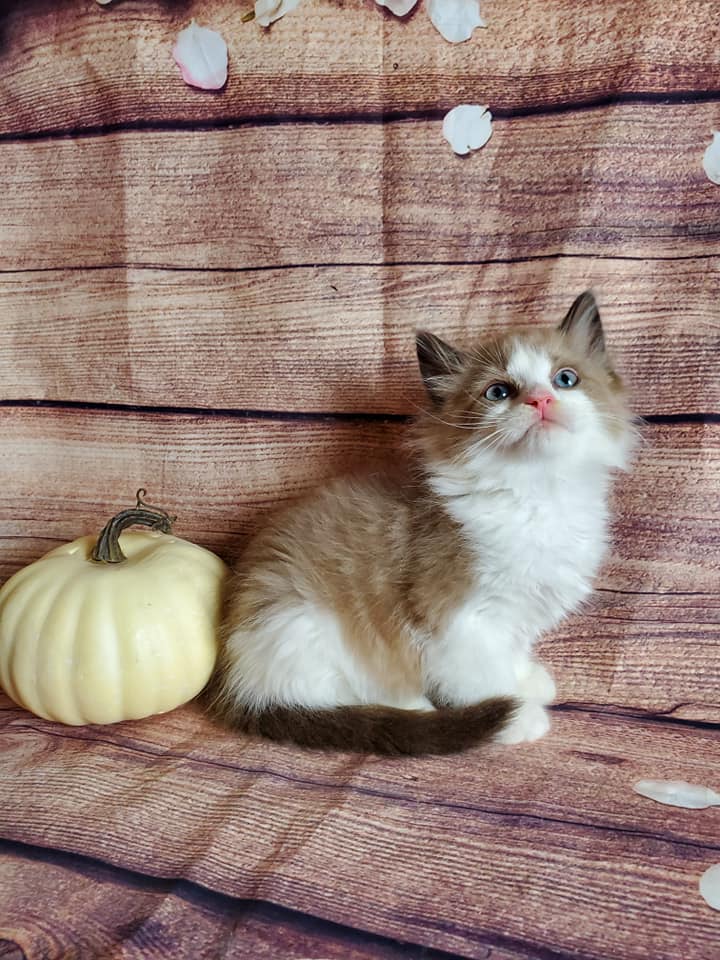
Helping Your Ragdoll Adjust When You Return to Work
After months of working from home, the shift back to the office can feel bittersweet — especially if your Ragdoll has been your constant companion during arvo Zoom calls. These gentle, blue-eyed cats have a way of turning a spare room into a kingdom, which makes saying g'day to the office feel heavier than it used to. Owners from Brisbane apartments to Perth townhouses are noticing the same thing the moment the work bag comes out.
Ragdolls are famously people-focused, often described as dog-like in their devotion, and they tend to follow their humans from room to room without missing a beat. That devotion means a sudden return to a nine-to-five can leave them genuinely bewildered, particularly if their only recent "colleagues" have been the postie and the neighbour's tabby. The good news is that with a bit of planning, most cats settle into a new rhythm within a few weeks.
Across suburbs from Fitzroy to Fremantle, vets are fielding more calls about clingy behaviour, over-grooming, and toileting accidents as Australians transition back to hybrid rosters. Understanding what's happening inside that fluffy head is the first step toward helping your Ragdoll feel secure while still meeting your work commitments.
Why Ragdolls Feel Alone Time So Deeply
Ragdolls were bred to be companion cats, and decades of selective breeding have left them with a temperament that genuinely craves human contact. Unlike more aloof breeds, a Ragdoll will greet you at the door, settle on your desk during meetings, and curl up beside you at brekkie on Saturday morning. When that constant presence disappears for eight hours, they experience a real sense of loss rather than a shrug of indifference.
This isn't naughtiness or spite. Vets in Sydney's inner west often explain that separation-related behaviour in cats is a genuine stress response. Signs may show up as excessive meowing the moment you pick up your keys, frantic pawing at closed doors, or refusing food until you return. Recognising these signals as anxiety rather than misbehaviour helps you respond with patience instead of frustration, which sets the tone for the slow, steady reassurance your cat needs.
Preparing a Calming Home Environment
Before your first day back, spend a weekend making your home a place your Ragdoll actually wants to be. In Brisbane's steamy summers, a quiet air-conditioned room helps them snooze through the hottest part of the day, while Melburnians often find a heated bed near a sunny window does the trick through winter. Vertical territory matters too — a tall cat tree near a window with a view of magpies or the kids walking to school gives your cat something to watch when there's no human to follow.
Rotating toys every few days keeps novelty high without spending a fortune, and puzzle feeders turn brekkie into a slow project that occupies a curious mind. Adding personal touches to your space helps too — a small photo of your Ragdoll in their favourite room makes the environment feel familiar even when the house is quiet. If you're keen to create a little gallery wall, framing pet photos at home is a surprisingly rewarding weekend project that lifts the spirits of every household member.
A Gradual Return-to-Work Routine
Sudden change is the enemy of a confident cat, so ease into the new schedule rather than ripping off the bandaid. Start by leaving the house for short stretches — popping down to the shops, grabbing a coffee at the local cafe, or running errands in Parramatta — and gradually build up the length of your absences. Reward calm behaviour with a quiet pat on return rather than a fuss-filled reunion, which can actually heighten the drama of your departures.
If your workplace allows, ask whether you can work from home a day or two a week at first, or whether a trial hybrid roster is an option. Many Aussie employers are still settling into flexible arrangements, and a slow transition helps both you and your cat adjust without anyone spiralling. A predictable goodbye ritual — a treat in the feeder, a soft word, and the same routine each morning — gives your Ragdoll a sense of structure that quickly becomes reassuring.
Sensory Cues That Bridge the Gap
The senses are powerful anchors for anxious cats, and using them thoughtfully can shrink the emotional distance while you're at work. Soft music or a radio tuned to a talkback station at low volume mimics the background hum of a household that's awake, and many cats settle better with that gentle company than in pure silence. A worn item of yours, refreshed every few days so the scent stays strong, tucked into their bed gives them a piece of you to lean against while the day ticks by.
Some owners swear by leaving a small cardboard box with a jumper inside, while others bring home a pet camera so they can pop in for a chat on their lunch break — most modern models let you talk to your cat in real time, which sounds ridiculous but genuinely works for many households. If your cat enjoys company, adopting two kittens together is often the kindest long-term solution when work keeps you out for long hours, giving your Ragdoll a buddy who adjusts to your absence without needing a human in the room.
When Extra Help Makes Sense
There's no shame in calling for reinforcements, and Australia's pet-care market has grown to meet exactly this kind of need. A reliable neighbour who pops in for a ten-minute pat and play session can break up the day beautifully, and many Aussie suburbs now have local pet-sitting cooperatives or trusted sitters who specialise in cats. Some offer midday visits, while others will spend an hour at your home playing, refreshing water bowls, and sending you adorable update photos throughout the day.
If your Ragdoll's anxiety is severe — think constant yowling, withdrawn behaviour, or loss of appetite — a chat with your vet is worth the trip. They can rule out medical causes, suggest calming diffusers suited to Australian climates, and in some cases discuss short-term behavioural support. The goal isn't to silence every meow but to give your cat the confidence to wait comfortably for your return, knowing the front door will eventually open and their favourite human will walk back in.
A patient, gradual approach over four to six weeks tends to land well with most Ragdolls, and the small rituals you build now — a treat in the feeder, a familiar scent on the bed, a quick camera pop-in from the office — will carry you through every future holiday, work trip, or change of routine that comes your way.