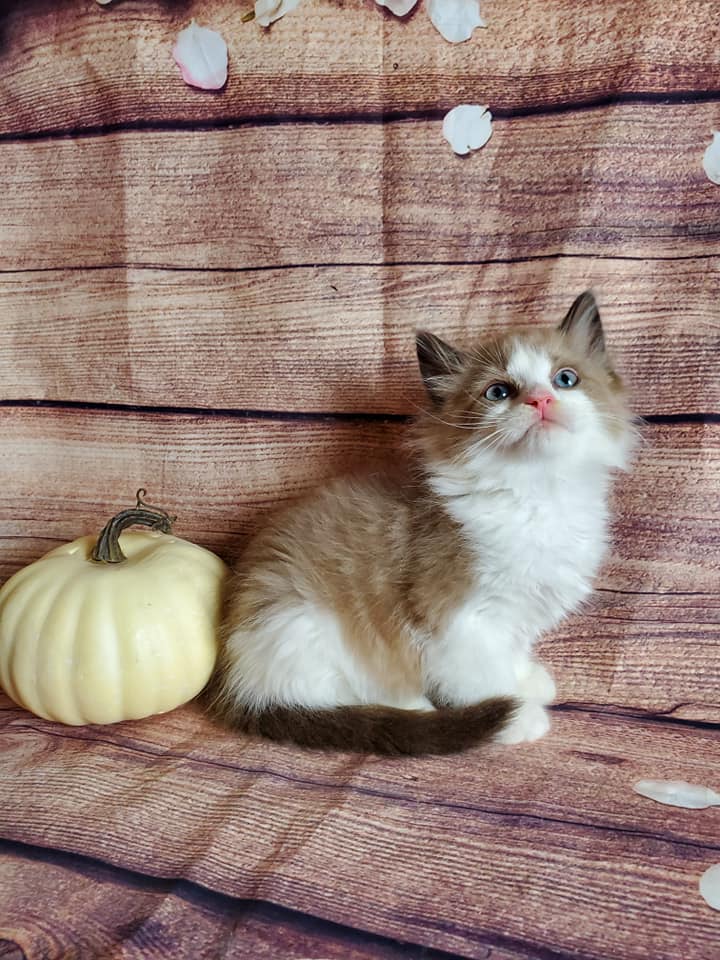
Helping Ragdoll Cats Feel Secure When Left Alone
Ragdoll cats are known for their gentle, people-focused nature. That close bond can be wonderful, yet some cats become unsettled when a family member leaves, especially after a move, a change in work hours, or adoption into a new home. Separation-related stress may appear as vocalising, destructive scratching, toileting outside the litter tray, over-grooming, or refusing food.
A calm routine can help a Ragdoll feel safe without encouraging constant dependence. The aim is to teach the cat that quiet time alone is predictable and temporary, while checking for medical issues that may look like anxiety. This is particularly useful for Australian households managing apartment living in Sydney or Melbourne, long commutes, FIFO rosters, or hot summer days in Brisbane and Perth.
| Behaviour | Possible meaning | Helpful first response |
|---|---|---|
| Meowing after departure | Distress, boredom, or a learned request for attention | Use gradual absences and provide quiet enrichment |
| Scratching furniture | Stress relief or insufficient scratching options | Add sturdy scratching posts near resting areas |
| Toileting outside the tray | Anxiety, urinary disease, or tray aversion | Arrange a veterinary check before changing routines |
| Hiding for long periods | Fear, environmental stress, or illness | Offer a secure retreat and monitor eating |
| Excessive grooming | Anxiety, skin irritation, or pain | Ask a vet to assess the coat and underlying health |
Recognising Separation-Related Stress
A Ragdoll that follows people from room to room is not automatically anxious. Many enjoy companionship and will wait near a door or sleep beside their owner without becoming distressed. Concern rises when the behaviour is intense, begins suddenly, or causes harm, weight loss, repeated accidents, or disruption to sleep.
Record what happens before, during, and after departures. A phone camera can show whether your cat settles within a few minutes or remains distressed for hours. Look for pacing, persistent calling, drooling, attempts to escape, vomiting, or a failure to eat. These observations give an Australian veterinarian useful information during an appointment.
Creating A Reliable Daily Rhythm
Cats cope better when meals, play, rest, and departures follow a familiar pattern. Feed at broadly consistent times, provide interactive play before a longer absence, and keep greetings calm when you return. A dramatic farewell can make leaving feel more significant.
Build the routine around real Australian schedules rather than an ideal timetable. If you work in a Melbourne office three days a week or travel from a regional property into town, practise the same morning sequence on home days. For FIFO households, arrange a consistent carer and maintain familiar feeding and play rituals while the usual person is away.
Making Alone Time Comfortable
A secure base should include water, a clean litter tray, a comfortable bed, and access to safe vertical space. Ragdolls are large, soft-coated cats, so stable furniture and broad platforms are preferable to narrow perches. Keep cords, toxic plants, open windows, and unsafe balconies out of reach.
Enrichment should be rotated rather than left scattered everywhere. Food puzzles, treat balls, cardboard boxes, a window perch, and short scent games can give the cat choices. In hot parts of Queensland or Western Australia, provide cool flooring, shade, ventilation, and multiple water stations; never rely on a closed room becoming comfortable during an Australian heatwave.
Teaching Calm Departures Gradually
Start with absences that cause no visible distress. Pick up your keys, sit down, and continue reading. Open and close the door without leaving. Then step outside for a few seconds and return before your cat becomes agitated. Increase the time in small stages over several days.
If the cat cries, scratches at the door, or stops eating when you reach a particular duration, shorten the next practice session. Progress is measured by relaxed behaviour, not by how quickly the absence becomes long. Avoid punishment, forced isolation, or sudden “cry it out” experiments, which can intensify fear.
Supporting Health And Emotional Security
A change in toileting, appetite, grooming, or sociability can reflect pain or illness rather than separation distress. Urinary problems, dental pain, skin disease, gastrointestinal illness, and age-related changes all deserve consideration. Responsible breeders commonly screen breeding cats for conditions such as HCM and infectious diseases, but ongoing veterinary care remains essential throughout a kitten’s life.
Choose a vet who can assess behaviour as well as physical health. Australian owners should also keep vaccinations, parasite prevention, microchip details, and emergency contacts current, particularly before using a boarding cattery or arranging care during bushfire, flood, or severe storm disruptions.
Practical Ways To Strengthen Independence
Small, repeatable habits help a social Ragdoll enjoy companionship without needing constant contact.
- Reward the cat for resting on a bed or mat away from you.
- Offer a food puzzle during short, planned absences.
- Practise closing an internal door while remaining nearby.
- Keep departures and arrivals quiet and predictable.
- Ask a trusted pet sitter to maintain familiar meals and play.
- Provide daily interactive play, especially before work.
- Avoid rewarding frantic attention with immediate carrying or repeated reassurance.
A kitten raised in a family environment, handled gently each day, may find household life easier, but temperament still varies between individuals. When considering a purebred Ragdoll, ask the breeder about socialisation, health testing, indoor care, and how the kitten has responded to new people and short separations. A small TICA-registered hobby cattery such as Ragdoll Kittens Cattery may also discuss whether a kitten is better suited to a busy home, a quiet household, or therapy work.
Knowing When To Seek Extra Help
Professional advice is appropriate when distress persists, escalates, or interferes with eating, toileting, sleep, or safety. A veterinary behaviourist or qualified feline behaviour professional can design a desensitisation plan and determine whether medication may be appropriate. Medication should only be used under veterinary supervision and alongside environmental and behavioural changes.
For households in Sydney, Adelaide, Canberra, or smaller regional communities, the first practical step is usually a local veterinary appointment. Bring video evidence, a seven-day behaviour diary, details of feeding and litter habits, and information about recent changes such as moving house, a new pet, a new baby, or altered work hours.
This week, set up one quiet retreat, record two short departures on your phone, and book a veterinary check if the behaviour includes toileting changes, appetite loss, over-grooming, or persistent distress.