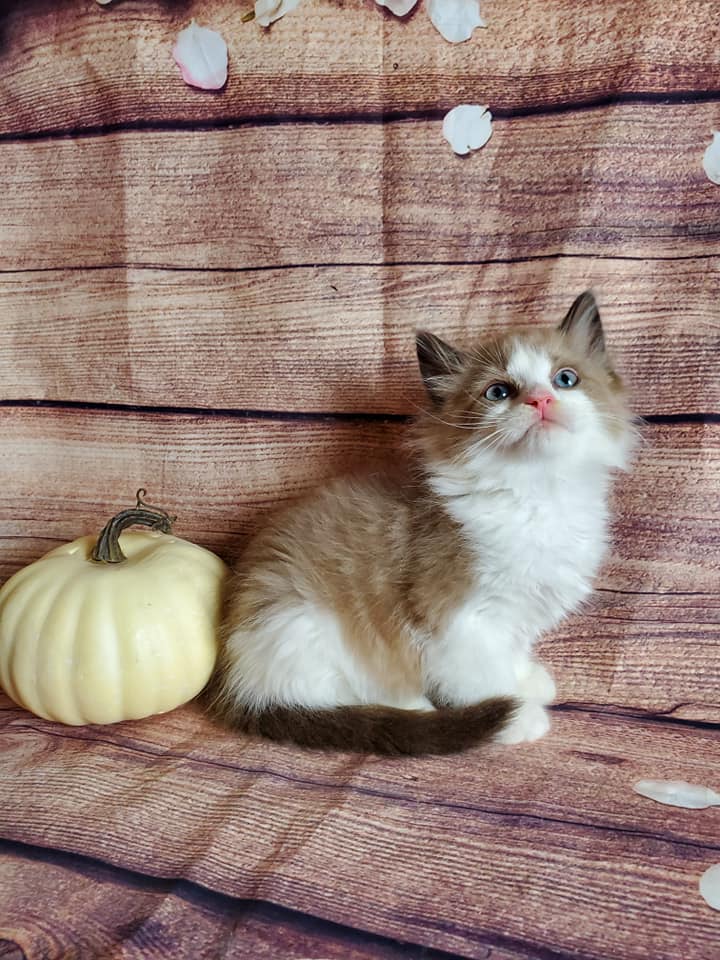
Managing Ragdoll Shedding Through Seasonal Changes
Ragdolls have a soft, semi-long coat that feels silky rather than woolly. Their fur can look effortless, yet it still needs regular care, especially when indoor temperatures and daylight shift during spring and fall. Seasonal shedding is a normal way for your cat to adjust its coat.
Handling your Ragdoll’s shedding during seasonal changes becomes much easier when grooming is gentle, consistent, and suited to the coat’s condition. A few minutes several times a week can remove loose fur before it collects on furniture or forms tangles.
At Ragdoll Kittens Cattery in Helena, Montana, kittens are raised in a family environment and handled daily. Early, positive contact helps young Ragdolls become comfortable with touch, which makes future brushing and coat care less stressful.
Why Seasonal Shedding Happens
Cats respond to changes in daylight more than to outdoor temperature alone. As spring arrives, many Ragdolls shed some of their denser winter coat. In fall, they may release older hairs while growing a fuller coat for the cooler months. Indoor lighting and climate control can make this process less predictable, so an indoor cat may shed lightly throughout the year.
A Ragdoll’s coat also varies with age, hormones, health, and genetics. Kittens may develop a fuller adult coat between one and two years of age. Some cats shed heavily for a few weeks, while others lose loose hair gradually. Both patterns can be normal when the skin remains healthy and the cat behaves normally.
What A Healthy Ragdoll Coat Needs
The goal of grooming is to remove dead hair, prevent mats, and distribute natural oils through the coat. A stainless-steel comb is useful for reaching the dense areas around the neck, chest, armpits, and hind legs. A soft slicker brush can lift loose fur from the outer coat, but it should be used lightly.
Begin with short sessions when your cat is relaxed. Work in the direction of hair growth and pause if your Ragdoll becomes uncomfortable. Never pull through a knot. Small tangles can sometimes be loosened with your fingers, while tight mats may require professional grooming or veterinary assistance.
| Seasonal Pattern | What You May Notice | Helpful Grooming Approach |
|---|---|---|
| Spring coat release | More loose fur on bedding and furniture | Comb three to five times weekly and check for mats |
| Summer maintenance | A lighter-feeling coat with continued shedding | Use brief brushing sessions and provide fresh water |
| Fall coat change | Increased fluff around the ruff and tail | Focus on the undercoat and inspect dense areas |
| Winter indoor living | Dry skin or steady year-round shedding | Maintain a moderate indoor humidity level and groom regularly |
Diet Hydration And Indoor Comfort
Nutrition supports the skin and coat from within. A complete, balanced diet with appropriate protein and essential fatty acids can help maintain healthy fur. Sudden food changes, excessive treats, or an unsuitable diet may contribute to digestive or coat problems, so changes should be gradual and discussed with a veterinarian.
Fresh water should be available every day. Some Ragdolls drink more readily from a fountain or wide, shallow bowl. Clean bedding, regular vacuuming, and moderate humidity can also improve comfort during dry winter weather. Avoid applying human hair products, essential oils, or over-the-counter supplements unless a veterinary professional recommends them.
Build A Low Stress Grooming Routine
A predictable routine is more effective than occasional, lengthy grooming. Choose a quiet location and let your cat sniff the comb before beginning. Reward calm behavior with praise, play, or a small treat so the experience remains positive.
A practical weekly routine can include:
- Comb the ruff, sides, belly, and hind legs several times each week.
- Check behind the ears, beneath the front legs, and around the tail for early tangles.
- Use a soft brush to remove surface hair after combing.
- Wipe visible debris from the eyes or coat with a clean, damp cloth.
- Wash bedding regularly and vacuum favorite resting areas during heavy shedding periods.
Keep sessions brief, particularly with a kitten or newly adopted cat. Daily handling in a family setting can help kittens accept these habits, but every cat still benefits from patience and individual pacing.
When Shedding Signals A Health Problem
Normal seasonal shedding should not cause bald patches, open sores, strong odor, or persistent redness. Contact a veterinarian if your Ragdoll is scratching intensely, licking one area repeatedly, developing scabs, or losing hair in sharply defined patches. Fleas, allergies, parasites, fungal infections, and skin inflammation can all affect coat quality.
Changes in grooming behavior may also provide an early warning. A cat that stops caring for its coat may feel unwell, while excessive licking can indicate discomfort or stress. Weight loss, reduced appetite, vomiting, diarrhea, low energy, or changes in drinking should be evaluated rather than attributed to shedding.
Responsible breeding and preventive veterinary care support long-term coat health. Health screening for conditions such as HCM, FIV, FeLV, and feline heartworm disease is part of the careful approach valued by reputable Ragdoll breeders and catteries.
Keeping Loose Fur Under Control
Shedding cannot be eliminated, but it can be managed with the right tools and expectations. Washable throws on favorite chairs, washable cat beds, and a lint roller near high-use areas can reduce daily cleanup. A vacuum designed for pet hair is especially helpful during spring and fall coat changes.
Avoid shaving a healthy Ragdoll simply to reduce fur around the home. The coat provides insulation and skin protection, and shaving may create stress or uneven regrowth. If severe mats develop, ask a qualified groomer or veterinarian for help instead of cutting close to the skin at home.
With gentle combing, good nutrition, hydration, and attention to skin changes, most Ragdolls can move through seasonal coat changes comfortably. Families considering a Ragdoll kitten can learn more about color, markings, temperament, health practices, and adoption through Ragdoll Kittens Cattery’s available resources. When the time is right, contact the cattery to explore upcoming kittens suited to life as a loving companion or therapy cat.