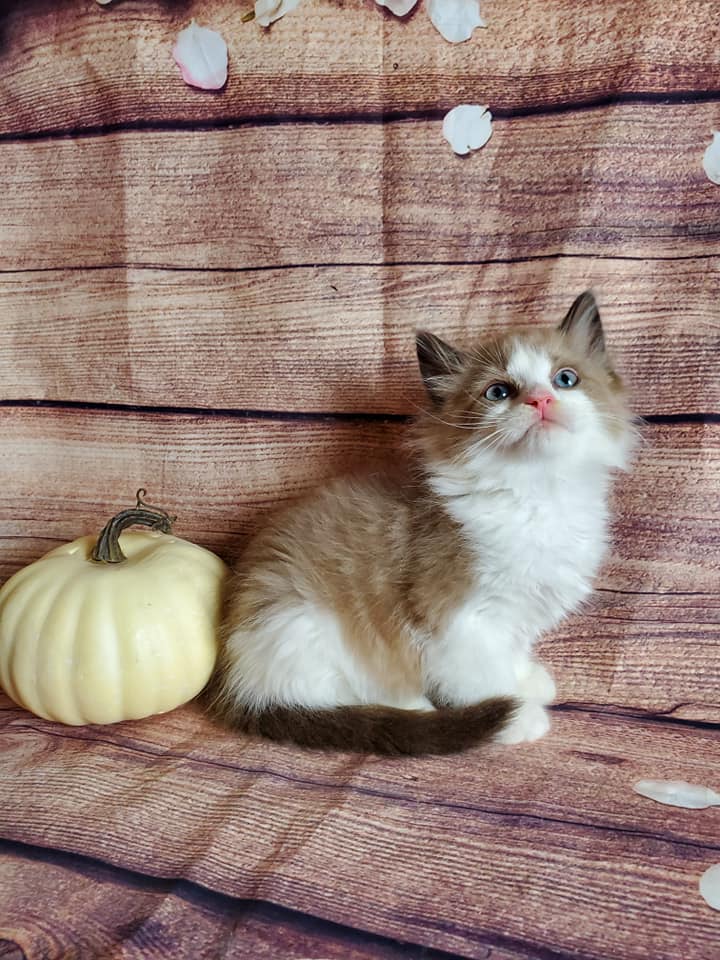
How to Identify a Reputable Ragdoll Health Testing Protocol
Choosing a Ragdoll breeder involves more than admiring blue eyes, colourpoint markings, and a sweet temperament. A responsible breeder should be able to explain which health conditions are screened for, who performs the testing, and how the results influence breeding decisions.
Health paperwork can look impressive while revealing very little. A certificate may be outdated, relate to a parent rather than the kitten, or show that a test was performed without explaining its limitations. The most useful evidence is current, traceable, and connected to a clear veterinary plan.
For Australian families, distance adds another layer. A kitten travelling from a breeder in Helena, Montana, or from an interstate cattery may need additional documentation, microchipping, vaccinations, transport planning, and import or quarantine checks. These practical details should sit alongside genetic and clinical screening.
A small, TICA-registered hobby cattery can still offer a carefully managed programme, but registration alone is not proof of health standards. Look for transparent records, sensible answers, and kittens raised in a clean, social home environment.
| Area to check | Strong evidence | Warning sign |
|---|---|---|
| HCM screening | DNA testing plus periodic echocardiograms | “The parents are healthy” with no records |
| Infectious diseases | Recent FIV and FeLV results, with testing explained | One vague “disease-free” statement |
| General veterinary care | Exam records, vaccination history, parasite plan | Only a sales listing or verbal promise |
| Heartworm awareness | Risk-based prevention and veterinary discussion | No plan for regional exposure |
| Breeder transparency | Named laboratories and readable documents | Cropped screenshots or pressure to pay quickly |
What A Credible Protocol Should Cover
A reliable Ragdoll health programme usually combines inherited-disease screening, physical examinations, infectious-disease testing, parasite control, and careful reproductive decisions. No single test can establish that a cat is completely healthy. The breeder should explain what each test can detect and what it cannot rule out.
Ask whether the breeding cats have been screened for hypertrophic cardiomyopathy, commonly called HCM. This is especially important in Ragdolls because a known MYBPC3 gene variant is associated with the breed. A DNA result is valuable, but it does not replace a heart examination, since not every form of HCM is explained by that mutation.
Reading HCM Evidence Carefully
A reputable breeder should show the identity of the tested cat, the date, the laboratory or veterinary practice, and the result. “Clear” may mean clear for one genetic variant, so it is reasonable to ask whether the report concerns the Ragdoll-specific mutation and whether both parents were tested.
Echocardiography performed by a veterinary cardiologist provides a clinical assessment of heart structure and function. Because heart disease can develop over time, repeated scans may be more meaningful than a single test performed years ago. A breeder who acknowledges this limitation is generally more trustworthy than one making absolute guarantees.
Checking Infectious Disease And Routine Care
FIV and FeLV testing should be part of a sensible cattery biosecurity programme, especially when cats come from different households, attend shows, or are introduced to breeding groups. Ask when the cats were tested, whether the results apply to the individual parents, and how new arrivals are quarantined.
Feline heartworm disease deserves a region-sensitive discussion. In parts of Australia, including warmer areas of Queensland and the Northern Territory, mosquito exposure can make prevention more relevant than it is in cooler regions. A breeder should be willing to discuss veterinary advice rather than presenting one universal treatment as suitable for every kitten.
Assessing Laboratory And Veterinary Records
Good records are specific. They may include a DNA report, echocardiogram summary, vaccination certificate, microchip details, faecal testing, and a kitten’s final veterinary examination. The documents should use matching registered names or microchip numbers so you can connect each result to the correct cat.
The breeder’s veterinary relationship also matters. A practice that can perform detailed examinations and refer cases to specialists is a stronger sign than a collection of informal assurances. General diagnostic awareness is useful across a cat’s life; even resources about in-home blood pressure monitoring illustrate why measurements should be interpreted within a broader veterinary assessment, rather than treated as isolated numbers.
Questions That Reveal Breeder Standards
Ask what happens when a breeding cat receives an abnormal result. Ethical breeders should describe retirement, altered pairings, additional monitoring, or consultation with a veterinary specialist. They should not imply that every positive finding can be ignored because a kitten appears lively.
Also ask about the kitten’s own care. At what age is the examination completed? Are vaccinations administered according to an Australian import or local veterinary schedule? Is the kitten desexed, or is there a written agreement about desexing? In Australia, buyers commonly use “desexed” rather than “spayed” or “neutered,” and the timing should be clear before a deposit is paid.
Australian Practical Checks
Australian buyers should verify requirements with the relevant state or territory authorities before arranging transport. Rules can differ for a kitten entering New South Wales, Victoria, Western Australia, Queensland, or another jurisdiction, particularly when the cat is coming from overseas. Microchip details, vaccination records, airline-approved crates, and import permits may all matter.
Be cautious of listings promising immediate delivery to Sydney, Melbourne, Brisbane, Perth, or Adelaide without discussing paperwork and acclimatisation. A legitimate breeder will explain costs in Australian dollars or clearly identify currency, provide a written contract, and allow time to check documents. RSPCA guidance and your own local vet can also help identify suspicious payment requests or unrealistic health claims.
A Montana cattery may be TICA registered and experienced with international homes, yet the Australian purchaser still needs to confirm border requirements independently. Registration, attractive photographs, and a friendly phone call should support the evidence, not replace it.
Matching Health Evidence With Kitten Welfare
Health testing should fit into a wider picture of welfare. Kittens raised indoors in a cage-free family setting, handled daily, and exposed to ordinary household sounds may be better prepared for a calm transition. Ask to see where the kittens live and whether the breeder can describe their feeding, litter habits, socialisation, and relationships with people.
Ragdolls are known for seeking close human contact, so temperament matters alongside medical records. Information about the Ragdoll’s love of lap-sitting can help families understand why a well-socialised kitten may actively seek cuddles, companionship, and gentle handling. This does not prove health, but it helps distinguish breed-informed care from superficial marketing.
A sound protocol is transparent about uncertainty. It gives you identifiable test results, explains the limits of genetic screening, includes routine veterinary care, and considers the kitten’s living environment. The key point to remember is that reputable Ragdoll breeding is demonstrated by consistent evidence and responsible decisions, not by a registration badge or a promise that a kitten can never become ill.