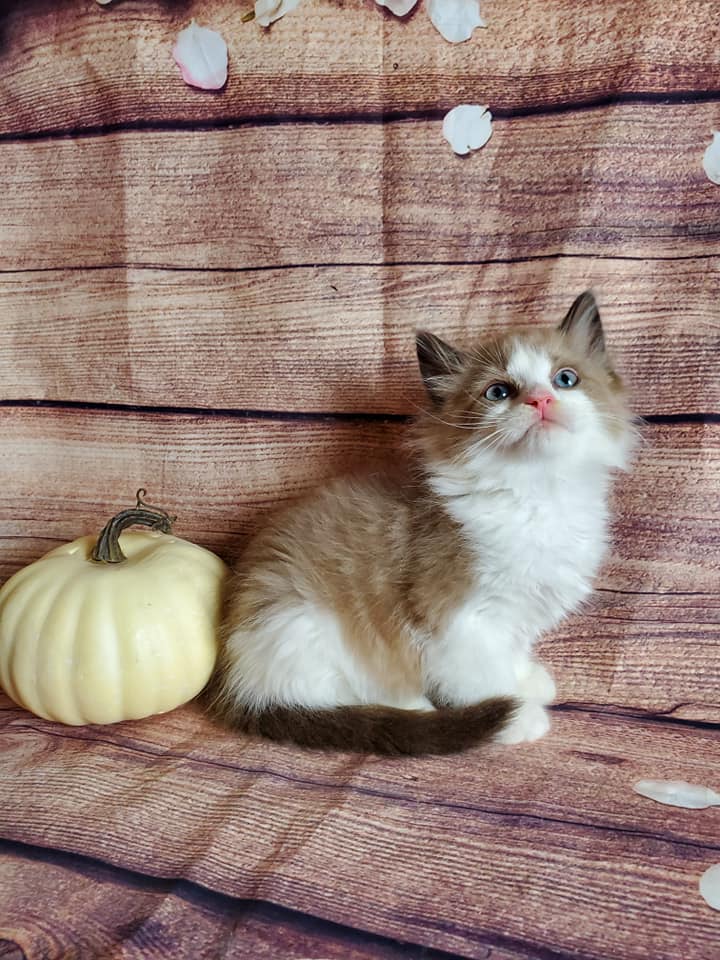
Spotting and Controlling Allergies in Ragdoll Cats
Ragdoll cats are renowned for their plush coats, gentle personalities, and famously docile nature, but even these hardy companions can develop uncomfortable allergic reactions. Their semi-long fur, while stunning, can trap a surprising range of environmental particles that trigger itching, sneezing, or digestive upset. Owners across Sydney, Melbourne, Brisbane, and Perth are increasingly reporting allergy concerns in their indoor cats, particularly as homes become better sealed and allergens accumulate.
Australia's unique environment adds layers of complexity. High humidity along the eastern seaboard encourages dust mite populations, while native grasses like Wallaby and Kangaroo grass release pollen that can drift indoors through open windows. Seasonal bushfire smoke, which has become more frequent in regions like the Blue Mountains and Adelaide Hills, can also aggravate respiratory sensitivities in cats, mirroring the way it affects their owners.
Allergies in Ragdolls are not a sign of poor breeding or care. They are a manageable condition that responds well to early intervention, sensible environmental changes, and a close partnership with a local vet. Recognising the difference between a behavioural quirk, a seasonal flare-up, and a genuine immune response is the first step toward keeping your cat comfortable year-round.
The following sections explore how to pinpoint the source of an allergic reaction, what treatment paths are available through Australian veterinary clinics, and how small adjustments to your home can dramatically reduce flare-ups. Whether you live in a coastal apartment in Surfers Paradise or a weatherboard house in Hobart, the principles remain the same: observe, document, and act.
Common Allergens Affecting Ragdolls in Australia
Flea allergy dermatitis remains the single most diagnosed trigger for cats Down Under, despite year-round parasite control being widely available. Even a single flea bite can set off a cascading itch response in a sensitive Ragdoll, particularly along the lower back and tail base. Many Australian vets recommend combination preventatives that cover both fleas and the paralysis tick, which is endemic along much of the east coast.
Food sensitivities form the second major category. Chicken, beef, and fish are common culprits, and many premium Australian pet food brands now offer novel-protein recipes featuring kangaroo, crocodile, or duck. Environmental allergens come third, including household dust mites, mould spores from air-conditioning units, and pollen from native eucalyptus and acacia species during spring.
Recognising the Symptoms
Allergic reactions in Ragdolls often appear gradually, making them easy to dismiss at first. Persistent scratching, head shaking, or over-grooming that leaves bald patches on the belly or inner thighs are classic signs. Some cats develop small red bumps around the chin or ears, while others show respiratory symptoms such as watery eyes, sneezing, or laboured breathing during high pollen days.
Digestive signs can be subtle but revealing. Repeated vomiting of undigested food, soft stools, or a dull coat despite a balanced diet may all point to a food intolerance. Because Ragdolls are stoic by nature, the symptoms can become quite advanced before owners notice, so any change in grooming habits, appetite, or energy deserves attention.
Working with Australian Vets for Diagnosis
A reliable diagnosis starts with a visit to a registered veterinarian, ideally one familiar with feline medicine. The Australian Veterinary Association recommends keeping a symptom diary covering diet, cleaning products, and timing of flare-ups, which helps narrow the search considerably. Skin scrapings, blood panels, and elimination diets are standard diagnostic tools offered in clinics from Cairns to Canberra.
Costs vary by region. An initial consultation typically ranges from $80 to $140, with allergy panels adding to the total. Pet insurance, increasingly popular among Australian cat owners, can offset these expenses, particularly for ongoing conditions. Reputable breeders also play a role, and many offer a guarantee covering genetic health conditions for the first year of life.
Treatment and Long-Term Management
Treatment falls into three overlapping streams: removing the trigger, soothing the symptoms, and supporting the immune system. Where fleas are involved, strict monthly prevention is non-negotiable. For food allergies, an eight to twelve-week elimination diet under veterinary supervision usually identifies the offending protein, after which a tailored maintenance diet can be introduced.
Medications such as antihistamines, corticosteroids, or newer monoclonal antibody injections are sometimes prescribed for severe flare-ups. Many Australian vets now favour cyclosporine or Apoquel for cats with persistent skin reactions, as these carry fewer long-term side effects than older steroid courses. Regular grooming with a stainless-steel comb also helps remove allergens before they penetrate the skin barrier.
Prevention Strategies and Home Adjustments
Prevention is always easier than cure. Washing cat bedding weekly in hot water, vacuuming with a HEPA-filtered machine, and running a dehumidifier in damp rooms can dramatically cut indoor allergen loads. Choosing dust-free clumping litter and avoiding heavily scented cleaning products reduces airway irritation, especially in compact apartments where ventilation is limited.
For owners in bushfire-prone zones, investing in a sealed-air room with an air purifier during summer months can protect sensitive cats from smoke exposure. Brushing your Ragdoll a few times a week, combined with a balanced Australian-made diet rich in omega-3s, supports skin health and resilience against environmental triggers.
Comparing Allergy Types in Ragdolls
| Allergy Type | Common Triggers | Typical Symptoms | Diagnostic Method | Common Treatment |
|---|---|---|---|---|
| Flea Allergy Dermatitis | Flea saliva | Itching, hair loss at tail base | Physical exam, flea combing | Monthly preventatives, environmental sprays |
| Food Allergy | Chicken, beef, fish, dairy | Vomiting, soft stools, itchy ears | Elimination diet | Novel-protein or hydrolysed diet |
| Environmental | Dust mites, pollen, mould | Sneezing, watery eyes, skin irritation | Blood or intradermal testing | Antihistamines, immunotherapy, air purifiers |
| Contact Allergy | Cleaning products, plastics | Localised rash, paw licking | Patch testing | Removing irritant, topical creams |
Practical Recommendations for Owners
- Schedule a vet check at the first sign of recurring itching or digestive upset
- Use a HEPA vacuum and wash bedding in hot water weekly
- Switch to a novel-protein diet if food allergy is suspected
- Maintain strict year-round flea and tick prevention
- Keep a symptom diary covering food, environment, and behaviour
- Avoid smoking indoors and limit strong fragrances near your cat
- Consider an air purifier during bushfire season or high pollen days
The most important thing to remember is that allergic Ragdolls can live full, comfortable lives when their condition is identified early and managed thoughtfully. Careful observation, consistent preventive care, and an open dialogue with your Australian vet form the foundation of long-term wellbeing for these affectionate companions.