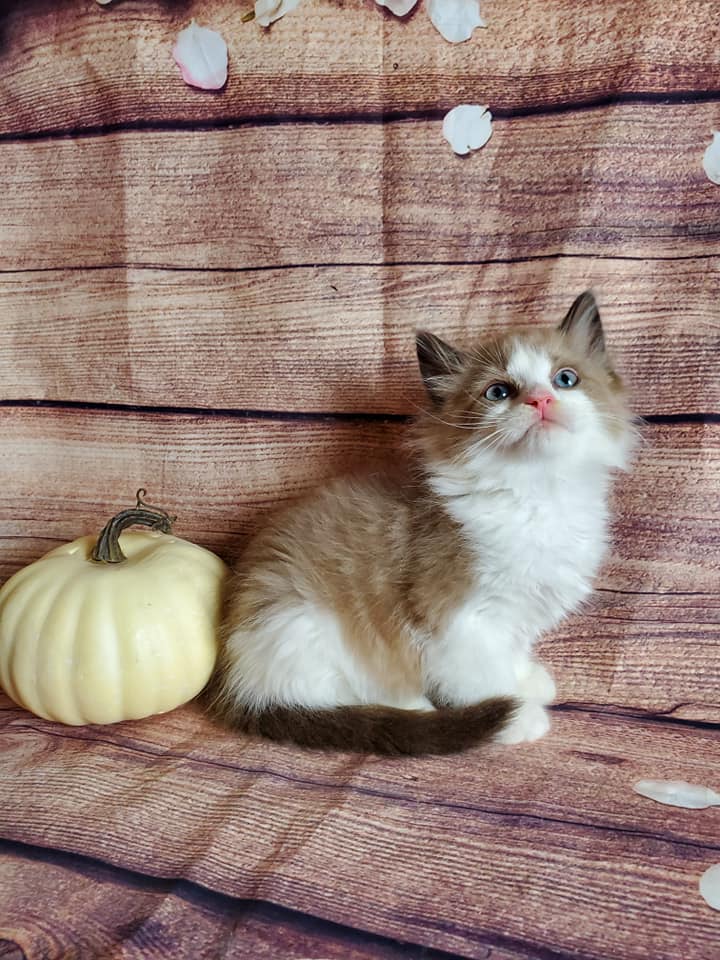
How to Identify Common Eye Problems in Ragdoll Cats
Ragdoll cats are known for their large, expressive blue eyes, but healthy eyes should still look clear and comfortable. Mild tear staining can occur, especially in pale coats, yet redness, swelling, discharge or a change in the way a cat holds its eye deserves attention.
Australian owners may notice eye irritation after dusty weather, windy days or exposure to smoke during bushfire season. Knowing what is normal for a Ragdoll and what signals illness can help you arrange veterinary care before a small problem becomes painful.
Recognising A Healthy Ragdoll Eye
A healthy Ragdoll eye is bright, open and free from cloudiness. The pupils should generally be similar in size, and the cat should not blink repeatedly, rub its face or avoid light. A small amount of clear moisture at the inner corner can be normal.
| What you notice | Possible explanation | Suggested response |
|---|---|---|
| Clear eyes with occasional moisture | Normal lubrication or mild tear staining | Monitor |
| Redness and watery discharge | Irritation, allergy or conjunctivitis | Book a vet visit |
| Thick yellow or green discharge | Infection or significant inflammation | Arrange prompt care |
| Cloudy surface or unequal pupils | Corneal injury or deeper eye disease | Seek urgent veterinary advice |
| Squinting or keeping one eye closed | Pain, ulcer, foreign material or trauma | Same-day assessment |
Ragdolls have a colourpoint coat, so reddish-brown tear marks can stand out around the eyes. Staining alone is not usually an emergency, but a sudden increase, unpleasant odour or damp skin should be checked by a vet.
Common Causes Behind Eye Changes
Conjunctivitis is a frequent cause of red, watery or sticky eyes. It can be linked to viruses, bacteria, irritants or allergies. Kittens may develop respiratory infections alongside sneezing and nasal discharge, while adult cats can have a local eye problem without other signs.
A scratch on the cornea, a speck of litter or an ingrown eyelash can cause intense discomfort. Cats often hide pain, so repeated blinking or squinting may be the clearest clue. Less common concerns include eyelid abnormalities, blocked tear ducts, glaucoma and inflammation inside the eye.
Australian conditions can add practical triggers. Perth dust, Melbourne wind, Brisbane humidity and smoke from a nearby bushfire may irritate sensitive eyes, but environmental exposure should not be assumed when discharge or pain persists.
When Eye Changes Need Attention
Some signs can be monitored briefly if your cat remains comfortable and the eye looks clear. Others warrant prompt treatment because eye injuries can worsen quickly.
Signs that deserve a same-day veterinary call include:
- Persistent squinting or rubbing
- A cloudy, blue-grey or white area on the eye
- Yellow, green or bloody discharge
- Different-sized pupils or sudden light sensitivity
Emergency assessment is especially important when an eye is bulging, visibly injured or held shut. A cat that becomes quiet, stops eating or hides after an eye change may be experiencing significant pain.
Until advice is available, keep the cat indoors and prevent face rubbing. An Elizabethan collar may be useful if your vet recommends it. Do not wait several days for a painful eye to “settle”, particularly in a kitten.
Kitten-Specific Signs To Watch
Young Ragdolls can develop eye discharge during the same period as a viral upper respiratory infection. Sneezing, a runny nose, poor appetite and lethargy alongside sticky eyes need veterinary attention. Kittens can become dehydrated more quickly than healthy adults.
A kitten’s eyes should be opening cleanly and comfortably. Swelling, sealed eyelids, pus-like discharge or an eye that appears smaller than its mate can indicate infection or injury. Never force crusted eyelids apart, as this can damage delicate tissue.
When adopting, ask what health checks and veterinary treatments have been completed. Responsible breeders may screen breeding cats for conditions such as HCM and infectious diseases, but routine screening does not remove the need to assess an individual kitten’s eyes.
Safe First Steps At Home
Wash your hands before and after handling the affected area. You can gently soften discharge with sterile saline or cooled boiled water on fresh cotton or gauze, using a separate piece for each eye. Wipe away from the eye without pressing on the eyeball.
Avoid human eye drops, leftover antibiotics, tea, essential oils and over-the-counter creams. Some products can worsen a corneal ulcer or mask important symptoms. Keep litter trays clean, reduce dust and separate a symptomatic cat from other cats until contagious infection has been considered.
If an Australian summer has brought flies indoors, clean moisture from the fur and keep the living area hygienic. Do not shave or trim close to the eyelids without professional guidance, as the surrounding hair provides some protection.
What A Veterinary Examination May Involve
A vet will examine the eyelids, conjunctiva, cornea and pupils, then ask when the change began. Fluorescein stain may reveal a scratch or ulcer, while tear-flow testing can help identify a blocked drainage system. In some cases, the vet will measure eye pressure or recommend laboratory testing.
Treatment depends on the cause. It may involve prescription antibiotic or antiviral medication, pain relief, lubrication or treatment for an underlying respiratory illness. Glaucoma, a deep ulcer or severe trauma may require urgent referral to a veterinary ophthalmologist.
Follow the dosing instructions carefully and complete prescribed treatment unless the clinic changes the plan. If the eye becomes more painful, cloudier or swollen after treatment starts, contact the vet promptly rather than adding another product.
Supporting Eye Health In Australian Homes
Regular gentle grooming helps prevent loose fur from collecting around the face. Feed a complete, balanced diet and maintain routine vaccinations as advised by your local clinic. Indoor living also reduces exposure to fights, grass seeds and airborne debris, which is particularly helpful for a relaxed, people-focused Ragdoll.
When bringing a kitten interstate, plan the journey around its health and comfort. Families moving between Canberra, Sydney, Melbourne or regional areas should confirm transport requirements, carrier arrangements and veterinary support at the destination. The cattery’s shipping information can help families understand practical arrangements before travel is organised.
A small amount of clear tearing may be harmless, but a painful, cloudy or persistently inflamed eye is never something to diagnose from photographs alone. If your Ragdoll is squinting or has thick discharge, keep it indoors and arrange a veterinary examination today.