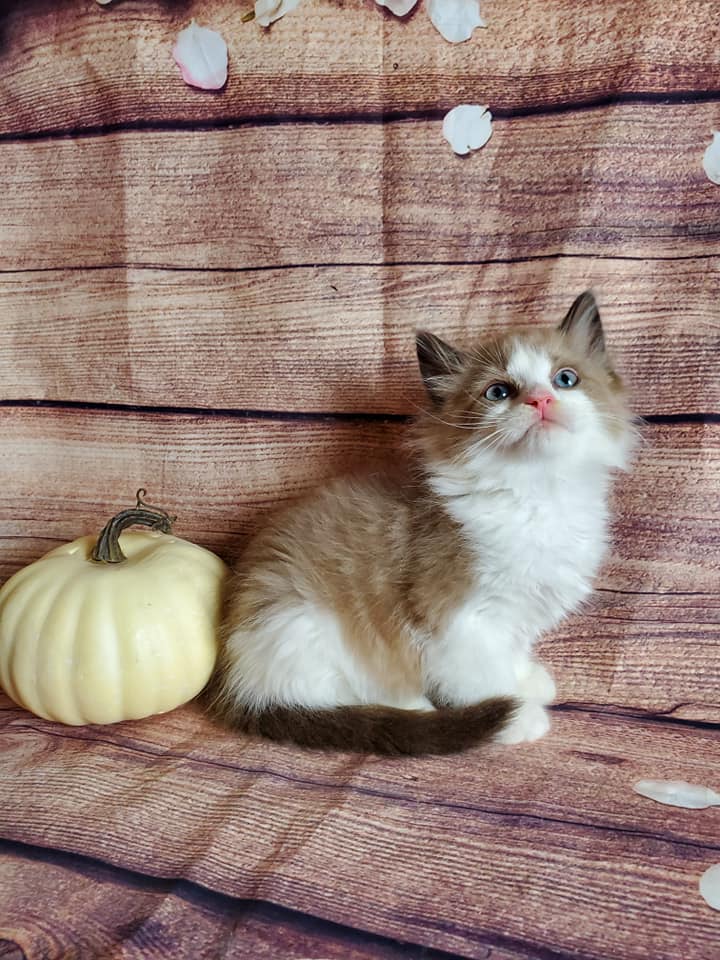
Understanding Your Ragdoll’s Body Language and Vocal Sounds
Ragdolls are often described as gentle, people-focused cats, but their communication is more subtle than a simple “quiet” or “affectionate” label suggests. Posture, facial expression, tail movement and vocal sounds work together to show whether a cat feels relaxed, playful, uncertain or unwell.
A kitten raised indoors in a family setting may be comfortable with handling, household sounds and daily human contact. Even so, every Ragdoll has an individual temperament. Learning that cat’s normal behaviour is the best way to recognise meaningful changes.
For Australian owners, this awareness is especially useful during hot weather, travel and household changes. A Ragdoll in Brisbane may seek cool flooring during summer, while one in Melbourne may become more interested in warm bedding. These choices are not automatically signs of distress, but they should be interpreted alongside appetite, energy and other signals.
Reading The Whole Cat
Relaxed Ragdolls usually have a loose posture, soft muscles and paws resting naturally on the floor or tucked beneath the chest. A slow blink, gently raised head and tail held upright often indicate trust. When a cat walks towards you with the tail curved slightly at the tip, it is commonly offering a friendly greeting.
Body language must be read as a group of signals rather than a single movement. A purring cat may be content, but some cats also purr when frightened or in pain. Likewise, a cat hiding after visitors arrive may simply need quiet time, while prolonged hiding with poor appetite deserves veterinary attention.
Ears Eyes And Tail
Forward-facing ears usually show interest, whereas ears turned sideways can indicate uncertainty or irritation. Ears flattened close to the head are a stronger warning that the cat feels frightened, defensive or overwhelmed. Wide pupils may appear during play, excitement or fear, so consider the surrounding situation before deciding what they mean.
The tail adds useful context. A softly swishing tail can signal concentration during play, but rapid lashing often means overstimulation. A puffed tail suggests alarm, and a tail tucked close to the body may reflect anxiety. A relaxed Ragdoll may carry its tail high, while a sleepy cat may simply leave it still beside the body.
Understanding Common Ragdoll Sounds
Ragdolls can be conversational without being excessively loud. A short chirp or trill often accompanies a greeting, a request for attention or interest in something moving. A soft meow may mean food, company or access to a favourite room, while repeated meowing can indicate frustration, boredom or a routine the cat expects.
Growling, hissing and yowling should be taken seriously. They communicate that the cat needs distance, and attempting to pick it up may escalate the situation. Sudden loud vocalisation, especially in an older cat, can also be associated with pain, confusion or illness rather than personality.
| Signal | Likely meaning | Helpful response |
|---|---|---|
| Slow blink and relaxed whiskers | Trust and comfort | Slow blink back and allow the cat to approach |
| Upright tail with a soft curve | Friendly greeting | Offer calm attention |
| Ears sideways, tail flicking | Irritation or overstimulation | Pause stroking and provide space |
| Chirping or trilling | Greeting, excitement or request | Acknowledge the cat and check its surroundings |
| Hissing or growling | Fear, pain or a clear boundary | Stop handling and remove pressure |
| Repeated yowling with behaviour changes | Possible distress or illness | Arrange a veterinary assessment |
Recognising Affection And Comfort
Some Ragdolls show affection by following family members from room to room, settling nearby or presenting their side for a gentle stroke. Kneading, head-butting and rubbing against legs are generally signs of comfort and social bonding. A cat that chooses to sleep in the same room may feel connected even if it does not enjoy being carried.
“Flopping” onto the back is not always an invitation for a belly rub. It can show trust while still communicating that the cat prefers interaction around the head and shoulders. Watch for a relaxed body, soft eyes and a still tail. If the paws tense or the tail begins to twitch, finish the interaction before the cat becomes overstimulated.
Spotting Stress And Overstimulation
Stress signals can be easy to miss in a placid-looking breed. A Ragdoll may freeze, crouch low, lick its lips, turn its head away or groom suddenly when it feels uncomfortable. Hiding, avoiding the litter tray or becoming unusually clingy can follow changes such as a move, new pet, renovation or unfamiliar guests.
Australian homes may expose cats to loud thunderstorms, summer air-conditioners, barking dogs or fireworks around New Year’s Eve. Create a quiet retreat with water, bedding and a familiar scent. During very hot weather, provide shade and cool surfaces, but do not force a cat into a bath or hold it in front of a fan if it is frightened.
When Communication May Signal Illness
A change from normal behaviour matters more than a single unusual sound. A previously chatty kitten that becomes silent, or a calm adult that starts yowling at night, may need a health check. Other warning signs include reduced eating, repeated vomiting, breathing difficulty, straining to urinate, sudden lameness or reluctance to jump.
Ragdolls can be prone to becoming less active when uncomfortable, and their calm nature may mask early illness. Book an appointment with an Australian-registered veterinarian if a change persists or appears alongside physical symptoms. Breeders and prospective owners should also discuss health screening, including testing relevant to hereditary conditions and infectious diseases.
Building Trust Through Daily Observation
During adoption, observe how a kitten responds to handling, new sounds and gentle play rather than expecting a particular personality. A social kitten may approach quickly, while another may need time to warm up. Ask the breeder about the kitten’s routine, socialisation and normal vocal habits. A small TICA-registered cattery in Helena, Montana, may have different registration and transport procedures from an Australian breeder associated with an ANKC-affiliated body.
Importing a kitten into Australia involves strict biosecurity requirements, and families may need to check current Department of Agriculture, Fisheries and Forestry rules through BICON before making arrangements. Many Australian buyers also encounter breeder waitlists, deposits and regional transport from states such as New South Wales, Victoria or Queensland. Clear records and realistic expectations help protect the kitten’s welfare.
The most reliable interpretation comes from consistency: learn your Ragdoll’s usual posture, sounds, appetite and routines, then notice meaningful departures from that pattern. A relaxed tail, soft eyes and willingness to engage usually indicate comfort, while defensive sounds, withdrawal or sudden vocal changes call for space or professional care. What to remember is simple: read the whole cat, respect its boundaries and treat unexpected behaviour changes as important information.