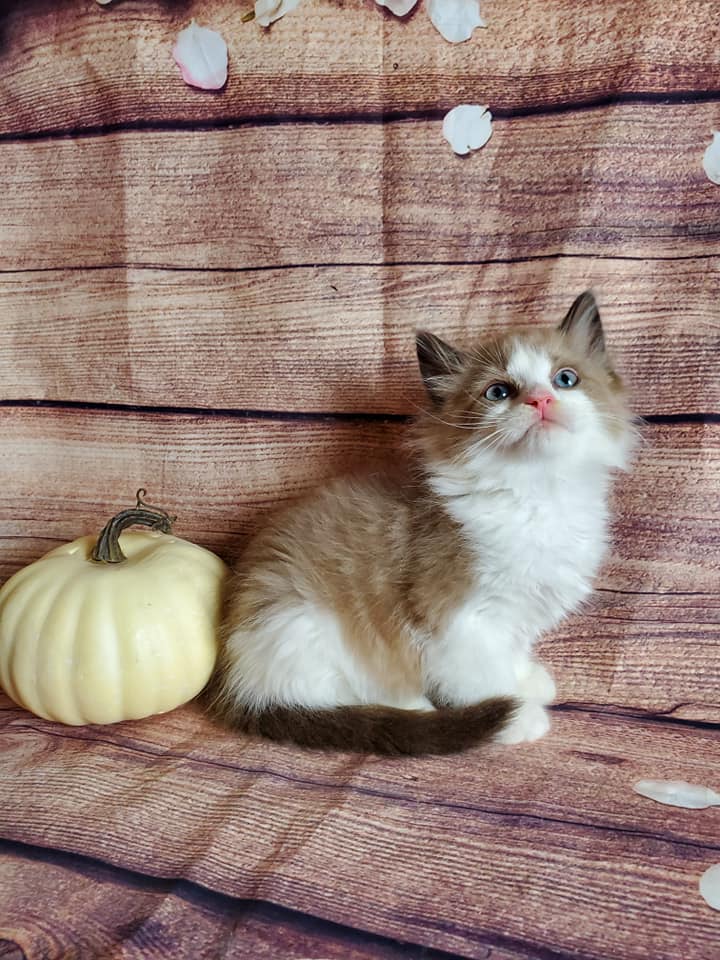
How to Introduce a New Ragdoll Kitten to Your Existing Cat
Bringing a Ragdoll kitten into a home with an established cat can be a lovely experience, but a slow introduction gives both animals the best chance of forming a relaxed relationship. Ragdolls are usually gentle and people-oriented, while resident cats may still feel unsettled by a new smell, new sounds and changes to their territory.
The aim is not instant friendship. A successful introduction may mean peaceful co-existence, shared routines or a close bond that develops over several weeks. Australian homes also need practical planning around warm weather, flyscreens, rental rules and access to a trusted local vet.
| Stage | Main goal | Typical timeframe |
|---|---|---|
| Separate base room | Help the kitten feel secure | Several days to two weeks |
| Scent exchange | Make each cat familiar with the other | A few days |
| Visual contact | Allow safe observation | Several short sessions |
| Supervised meetings | Build positive experiences | Gradually over days or weeks |
| Shared household | Maintain calm routines | Ongoing |
Set Up A Safe Base Room
Before the kitten arrives, prepare a quiet room with food, water, a litter tray, scratching surfaces, toys, bedding and a hiding place. Keep the litter tray away from food and water, and choose a room that can be closed securely. A spare bedroom or study often works well in an Australian home, provided windows have sturdy screens and the room does not become excessively hot during summer.
The resident cat should keep access to familiar areas and possessions. Avoid moving their favourite bed or feeding station at the same time as the kitten’s arrival. If you are renting in Melbourne, Brisbane or elsewhere, check your pet conditions and body corporate rules before bringing home another animal.
A good breeder will also explain the kitten’s early routine, temperament and health background. Reviewing our kitten-raising approach can help you understand why gradual handling and a stable indoor environment matter during this transition.
Begin With Familiar Scents
For the first few days, keep the cats physically separated. They can learn about each other through scent before facing one another. Swap a small blanket, towel or soft toy between rooms, and gently rub each cat’s cheeks with separate cloths before placing the cloths near the other animal’s resting area.
Feed the cats on opposite sides of the closed door. Start with the bowls far enough away that both animals eat comfortably, then move them closer over several meals. This connects the other cat’s smell with something rewarding rather than threatening.
Do not force either cat to investigate. A hiss, growl or paw under the door is information, not a failure. Give the cats time to return to normal behaviour before progressing.
Make First Meetings Brief
When both cats are calm around the closed door, allow them to see each other through a baby gate, mesh barrier or slightly opened door. Keep the first visual sessions short and offer treats, play or a calm meal. End the session while both cats are still settled.
A Ragdoll kitten may be eager to rush forward, climb or play, while an adult cat may prefer distance. Redirect the kitten with a wand toy before it overwhelms the resident cat. Never hold one cat up to the other or place them nose-to-nose, as this removes their ability to retreat.
Choose a quiet time rather than the busy arvo when the household is noisy. Turn off loud appliances, keep children from crowding the doorway and provide a clear escape route for the adult cat.
Build Calm Shared Routines
Once visual contact is relaxed, allow short supervised meetings in a larger room. Keep toys, treats and a towel nearby, and make sure the kitten cannot squeeze behind appliances or furniture. Several peaceful five-minute sessions are more useful than one long encounter that ends in chasing.
Provide enough resources to reduce competition. A practical guide is one litter tray per cat, plus one extra, although the available space may require adjustments. Place food stations, scratching posts, beds and water bowls in different areas so neither cat has to guard access.
Helpful daily routines:
- Feed the cats separately at first.
- Give the resident cat one-on-one attention.
- Play with the kitten before shared time.
- Reward quiet behaviour near the other cat.
Signs to slow the process:
- Persistent hiding or refusal to eat.
- Repeated chasing or cornering.
- Flattened ears, swatting or prolonged growling.
- Toileting outside the litter tray.
Support Health And Individual Temperament
Before introductions, arrange a check-up with an Australian veterinary practice, especially if the kitten’s records need to be reviewed or your resident cat has a medical condition. Discuss vaccinations, parasite prevention, microchipping and the appropriate desexing schedule. Requirements and council expectations vary between states and local government areas, so keep records current.
Ragdolls can be large, soft-coated cats, and their calm nature can make them appear less bothered than they are. Watch body language rather than relying only on vocalisation. A relaxed cat has a loose posture, normal appetite and willingness to move around. Stress can show as reduced grooming, over-grooming, diarrhoea or changes in sleep.
In warmer parts of Australia, keep rooms cool and well ventilated without allowing either cat to escape through an unsecured screen. Fleas, ticks and other parasites also require a prevention plan suited to your region, particularly if the resident cat spends time outdoors.
Let Trust Develop At Its Own Pace
Some cats begin sleeping near each other within a week; others need a month or longer. Progress is measured by calmer behaviour, not by cuddling. If tension rises, return to the last stage that worked, increase separation and rebuild positive associations.
Never leave the cats together unsupervised until there have been repeated calm interactions. Even a playful kitten can irritate an older cat, and a defensive swipe can cause injury. Keep nails trimmed appropriately, maintain separate resting places and continue giving the resident cat predictable attention.
For most households, the practical takeaway is simple: start with a secure separate room, exchange scents, introduce sight gradually, supervise every meeting and advance only when both cats remain comfortable.