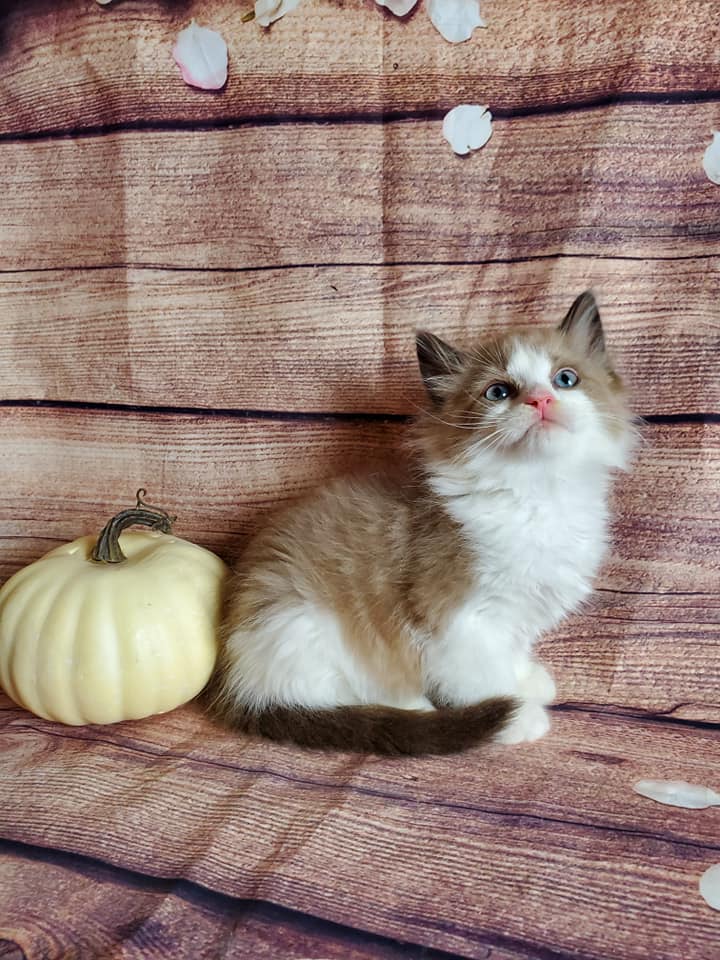
How to Introduce a Ragdoll Kitten to a Dog
Bringing a Ragdoll kitten into a home with a dog can be a rewarding experience when introductions are gradual and carefully managed. Ragdolls are typically gentle, people-oriented cats, but every kitten needs time to understand unfamiliar sounds, scents, and movement.
A successful cat-and-dog introduction depends on preparation rather than forced interaction. Your dog should learn that the kitten is part of the household, while the kitten needs secure places to retreat, rest, and observe from a comfortable distance.
Before bringing a kitten home, consider the animal’s age, temperament, and early socialization. A kitten raised indoors in a family setting and handled regularly may be better prepared for household activity, but patience remains essential for every new relationship.
Prepare Your Home Before Arrival
Set up a kitten-only room before the arrival date. This space should include food, water, a litter box, scratching surfaces, toys, a bed, and elevated hiding areas. Choose a room with a solid door so the kitten can relax without unexpected visits from the dog.
Inspect the room for hazards such as loose cords, small objects, open windows, or narrow spaces where a frightened kitten could become trapped. A secure base gives the kitten control over the first stage of the transition and helps prevent stress-related behaviors.
Your dog should continue following its normal routine as much as possible. Exercise your dog before planned introductions, refresh basic cues such as “sit” and “leave it,” and reward calm behavior around the closed kitten room. If you are evaluating available Ragdoll kittens, ask about the kitten’s daily handling and experience with household sounds.
Begin With Separate Spaces
For the first few days, keep the kitten and dog physically separated. Let the kitten become familiar with the new room while the dog investigates the scent beneath the door. Avoid carrying the kitten into a room where the dog is excited or allowing the dog to wait directly outside the door.
Feed both animals on opposite sides of the closed door if they remain relaxed. This can create a positive association between the other animal’s scent and something enjoyable. Begin with bowls farther from the door, then move them closer over several meals if neither animal shows signs of distress.
Short scent exchanges can also help. Rub a clean cloth gently over the kitten’s bedding and place it near the dog’s resting area. Do the same with a dog-scented cloth in the kitten’s room. Watch for calm investigation rather than insisting that either animal approach.
Use Scent And Sound First
Before visual contact, allow the animals to hear one another during quiet periods. The dog may hear the kitten playing, while the kitten becomes accustomed to footsteps, barking at a distance, or the sound of the dog moving through the home.
Keep the dog leashed during early doorway exercises. Open the door slightly or use a tall baby gate so the animals can see each other without making contact. Reward the dog for looking away, sitting, or relaxing. Give the kitten treats, gentle play, or access to a favorite resting place.
Hissing, hiding, or a brief warning growl does not automatically mean the relationship will fail. These behaviors communicate uncertainty. Increase distance and shorten the session if either animal becomes tense, fixated, vocal, or unable to accept treats.
Make The First Meeting Brief
When both animals appear calm near the barrier, arrange a face-to-face meeting in a controlled room. Keep the dog on a loose leash and make sure the kitten has access to a cat tree, carrier, shelf, or other escape route. Never hold the kitten in place for the dog to sniff.
Allow the kitten to choose whether to approach. The dog should be rewarded for calm observation rather than encouraged to chase, paw, or play. A relaxed dog may glance at the kitten and then disengage; this is a more valuable response than intense curiosity.
End the meeting after a few calm minutes, even if it seems to be going well. Several short sessions are safer than one prolonged encounter. Gradually increase the time together only when the dog can remain settled and the kitten is moving, playing, or resting normally.
Read Their Body Language
Animal body language provides useful guidance during supervised meetings. Look at the entire posture rather than relying on a single signal, since excitement, fear, and play can sometimes appear similar.
| Behavior | What It May Mean | Helpful Response |
|---|---|---|
| Loose body and soft gaze | Comfortable curiosity | Reward calm behavior and maintain distance |
| Dog staring or leaning forward | High interest or predatory focus | Redirect, increase space, and end the session if focus continues |
| Kitten hiding briefly | Normal uncertainty | Provide an escape route and avoid forcing contact |
| Tail lashing or flattened ears | Stress or overstimulation | Pause the interaction and return to an easier step |
| Play bow with relaxed movement | Possible invitation to play | Keep the dog controlled and supervise closely |
| Chasing, snapping, or cornering | Unsafe interaction | Separate immediately and seek qualified behavior support |
A small kitten can be injured accidentally even by a friendly, energetic dog. Size differences, rough play, and sudden movement require careful supervision. Do not leave the animals alone together until the dog has demonstrated consistent calm behavior over time.
Build Positive Household Habits
Keep separate feeding stations and provide litter boxes in locations the dog cannot disturb. Many cats feel vulnerable when eating or using the litter box, and repeated interruptions can lead to avoidance or anxiety. Vertical territory also helps the kitten move through shared rooms without crossing directly in front of the dog.
Continue rewarding the dog for ignoring the kitten. Quietly offer treats when the dog settles on a mat, turns away from the kitten, or responds to a cue. Give the kitten attention during calm periods so the animals do not compete for every interaction.
Maintain the kitten’s predictable schedule for meals, play, naps, and handling. Ragdolls often enjoy companionship, yet they still need uninterrupted sleep and a private retreat. A stable routine makes it easier to identify whether stress is improving.
Keep Introductions Safe And Gradual
Use these practical guidelines as you move from supervised meetings toward normal household life:
- Exercise the dog before introductions, but avoid creating frantic excitement.
- Keep a leash, treats, and a barrier nearby during early sessions.
- Never permit chasing, even if the kitten appears to run playfully.
- Provide multiple elevated escape spaces and at least one dog-free room.
- Separate the animals whenever you cannot actively supervise them.
If progress stalls, return to scent work or barrier introductions for several days. A certified veterinary behaviorist or qualified force-free trainer can help when the dog shows persistent fixation, guarding, lunging, or chase behavior.
A calm first week may be followed by a setback when the kitten becomes more active or confident. Continue supervising as the kitten grows, particularly during energetic play. The goal is not instant friendship; it is reliable safety, mutual tolerance, and the freedom for both animals to relax.
With preparation, controlled exposure, and consistent rewards, many dogs and Ragdoll kittens develop a comfortable household relationship. Begin with separate spaces, move at the pace of the more cautious animal, and protect each pet’s need for rest and retreat. Reach out to a responsible Ragdoll cattery or animal behavior professional for individualized guidance as you welcome your new kitten home.