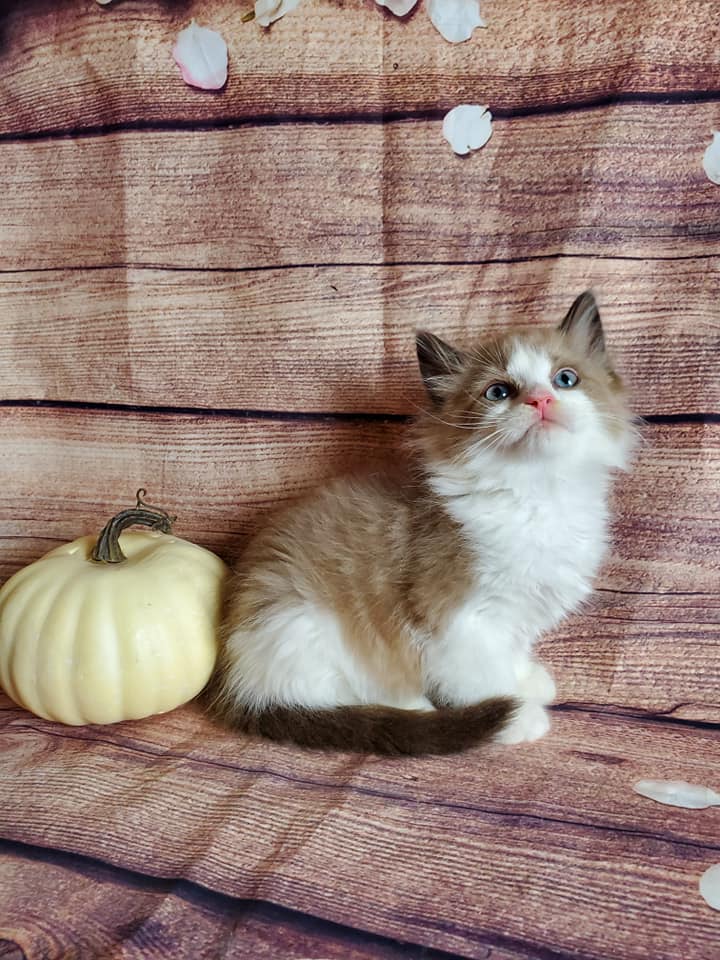
How to Keep Your Ragdoll Cat Cool and Hydrated During Montana Summers
Ragdoll cats have a gentle temperament, semi-long coats and a strong preference for staying close to their people. Their relaxed nature can make them less likely to move away from a warm spot, so thoughtful summer care matters when temperatures rise. Although this cattery is based in Helena, Montana, the same principles are useful for Australian families managing hot weather in Brisbane, Perth, Sydney or regional areas.
A cool home, fresh drinking water and careful observation usually keep a healthy Ragdoll comfortable. Kittens, older cats and pets with medical conditions need extra attention during heatwaves, particularly when air conditioning fails or bushfire smoke encourages everyone to remain indoors.
Create A Cooler Indoor Environment
Keep your Ragdoll inside during the hottest part of the day. Close blinds or curtains on windows receiving strong afternoon sun, especially west-facing glass. Open windows during the cooler early morning or evening only when outdoor conditions are safe and secure screens are in place.
Air conditioning is helpful, but it should provide a moderate, steady temperature rather than a blast of icy air. A quiet pedestal fan can improve air circulation, though it must be positioned safely away from climbing cats and loose cords. Australian households in Darwin, Cairns and other humid areas may need dehumidifying as well as cooling, while homes in inland South Australia can experience very dry heat.
Offer several resting places at floor level, including a tiled bathroom, a shaded corner or a breathable cotton bed. Ragdolls often follow their family from room to room, so place at least one cool retreat near the spaces where people spend the afternoon.
Make Water Easy To Choose
Fresh water should be available in multiple locations rather than in one bowl beside the food. Place bowls in quiet areas away from litter trays, busy walkways and direct sunlight. Wide ceramic or stainless-steel bowls are often preferable because they are stable, easy to clean and less likely to hold odours than scratched plastic.
Some cats prefer moving water, so a properly maintained pet fountain may encourage better drinking. Change the water daily, rinse the fountain according to its instructions and keep a spare bowl available during power interruptions. This is especially useful during Australian summer storms, when short outages can affect pumps and air conditioning.
Wet food can add valuable moisture to the daily diet, provided it is offered fresh and removed before it warms. A few ice cubes may interest some cats, but they are optional rather than a replacement for drinking water. Avoid adding milk, stock or electrolyte products unless your veterinarian specifically recommends them.
Use Safe Cooling Aids
A cooling mat made for pets can give a Ragdoll a comfortable place to lie down. Choose a durable product without exposed gel, zips or cords, and inspect it regularly for punctures. A dampened towel laid over a cool floor can work as a temporary option, although it should not be so wet that the cat becomes chilled.
Never place a cat directly against frozen packs or immerse one in cold water. Sudden chilling can cause distress, and a frightened cat may struggle or scratch. Gentle cooling is safer: move the cat to shade, improve airflow and offer small amounts of water.
Cars are particularly dangerous, even for a quick stop at the shops. Temperatures inside a parked vehicle can become life-threatening within minutes. Whether travelling from Melbourne to Geelong or across a rural part of Montana, use a climate-controlled vehicle and never leave a Ragdoll unattended.
Manage The Ragdoll Coat
Regular brushing removes loose fur, prevents mats and allows air to move more easily through the coat. A soft slicker brush followed by a wide-toothed comb can suit many Ragdolls, but grooming should be calm and brief. Daily handling also helps kittens become comfortable with routine care, which is valuable when checking paws, ears and skin after warm outdoor exposure.
Do not shave a Ragdoll simply to make summer easier. The coat provides insulation and protection from sunburn, while shaving can cause stress, uneven regrowth and exposed skin. Trim only sharp or overgrown claws when needed, preferably with guidance from a groomer or veterinary professional.
Fleas, ticks and other parasites can become more active during warm months. Use preventatives recommended for cats by an Australian veterinarian if the cat lives in Australia, or by a Montana veterinary clinic when residing there. Dog products containing permethrin can be toxic to cats, so never substitute a canine treatment.
Recognise Heat Stress Early
Warning signs include fast breathing, excessive panting, drooling, weakness, vomiting, unsteady movement, bright red or pale gums and collapse. Panting is not normal everyday behaviour for a cat, so it deserves prompt attention. Kittens and cats with heart or respiratory problems may deteriorate quickly.
Move the cat into a cool, quiet room and contact a veterinarian immediately if heat stress is suspected. Offer water without forcing it, and use cool damp cloths on the paws or body while arranging professional care. Do not delay because the cat appears better after a short rest.
During an Australian heatwave, save the number and opening hours of the nearest emergency veterinary hospital before you need them. Local clinics in Perth, western Sydney and regional Queensland can be busy during extreme weather, so knowing the after-hours option is part of sensible preparation.
Prepare For Heatwaves And Travel
Before a hot spell, test the air conditioner, identify the coolest room and place extra water bowls there. Keep carriers accessible and prepare a battery-powered fan or cooling mat for emergencies. If bushfire smoke affects your area, keep windows closed, reduce indoor pollutants and watch for coughing or breathing difficulty.
For travel, schedule necessary journeys in the early morning, use a well-ventilated carrier and take water from home to avoid sudden changes. A Ragdoll moving to a new Australian home may need time to settle, so provide a quiet, temperature-controlled room rather than exposing the kitten to the whole house immediately.
A reputable cattery can explain the kitten’s feeding routine, hydration preferences and health history. Families adopting a purebred Ragdoll should also plan for ongoing veterinary care, microchipping, parasite prevention and suitable pet insurance, which is a common consideration in the Australian companion-animal market.
A Practical Summer Care Checklist
- Place fresh water in several shaded areas and refresh it every day.
- Keep the cat indoors during the hottest afternoon hours.
- Brush regularly, but avoid shaving the protective coat.
- Check cooling mats, fans, screens and air conditioning before a heatwave.
- Contact a veterinarian promptly for panting, weakness, vomiting or collapse.
A Ragdoll does not need elaborate equipment to stay comfortable. Consistent access to cool rooms, clean water, gentle grooming and attentive supervision makes the greatest difference. In practice, set up a shaded resting area, fill two or more water bowls each morning and check your cat’s breathing and behaviour whenever the temperature climbs.