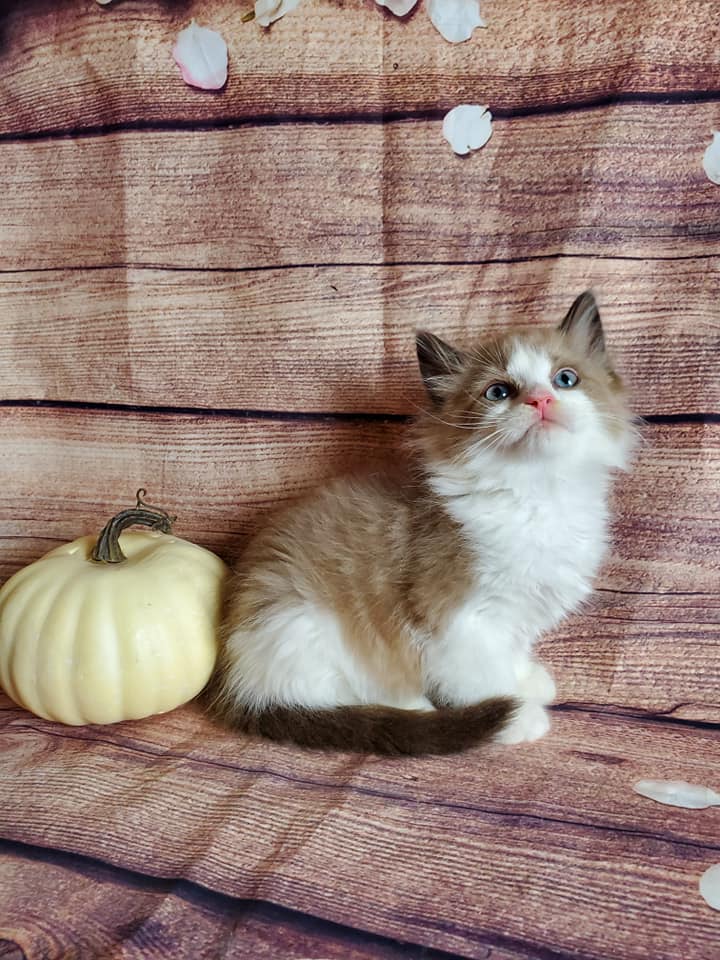
How to Keep Your Ragdoll’s Ears Clean and Healthy
Ragdoll cats are known for their gentle personalities, blue eyes, and soft, semi-long coats. Their broad, furry ears are part of their distinctive appearance, but the ear furnishings can also collect loose hair, dust, and wax. Regular observation and gentle care help keep the ear canal comfortable without disturbing its natural protection.
Healthy Ragdoll ears usually need only light maintenance. Over-cleaning may irritate delicate skin, while ignoring persistent debris can allow an infection or parasite problem to develop. A calm routine, suitable supplies, and prompt veterinary attention are the best ways to support long-term ear health.
Kittens raised in a family environment benefit from learning that ear checks are a normal part of handling. At Ragdoll Kittens Cattery in Helena, Montana, kittens are handled daily, creating a helpful foundation for grooming, health checks, and future veterinary visits.
Learn What Healthy Ears Look Like
A healthy Ragdoll’s outer ear should be clean, dry, and free from swelling. Small amounts of light brown or tan wax can be normal, especially around the visible folds. The skin should not appear intensely red, crusted, or thickened.
Your cat should also be comfortable when you gently touch the base of the ear. Occasional head shaking may happen after grooming, but frequent shaking, scratching, or rubbing against furniture deserves closer attention.
Never push a cotton swab, tissue, or your fingernail into the ear canal. These items can compact wax deeper inside, scratch the skin, or damage the eardrum. Ear cleaning should focus on the visible parts of the ear unless a veterinarian gives specific instructions.
Prepare A Calm Grooming Routine
Choose a quiet time when your Ragdoll is relaxed, such as after a meal or a gentle play session. Let the cat sniff the supplies before beginning, and reward calm behavior with praise or a small treat. Short, positive sessions are more effective than forcing a complete cleaning.
Use a veterinary-approved feline ear cleaner, cotton balls, or soft gauze. Avoid hydrogen peroxide, rubbing alcohol, essential oils, vinegar mixtures, and human ear products. These substances may sting or dry the skin and can be unsafe if an eardrum problem is present.
Hold the ear flap gently and inspect the entrance to the canal. Apply cleaner only as directed on the product label or by your veterinarian. Massage the base of the ear briefly if recommended, then allow your cat to shake its head. Wipe away loosened debris from the outer ear with gauze or cotton.
Recognize Problems Early
Ear mites can cause dark, crumbly debris that resembles coffee grounds, along with intense itching and repeated head shaking. They are more common in kittens and cats exposed to other animals. Because several conditions can look similar, a veterinary examination is needed before choosing a treatment.
Bacterial or yeast infections may produce a strong odor, increased wax, redness, moisture, or discharge. A cat with an ear infection may hold the head at an angle, become sensitive around the ears, or avoid being touched. These symptoms should not be managed with leftover medication or over-the-counter drops.
| Ear finding | Possible meaning | Appropriate response |
|---|---|---|
| Small amount of light wax | Normal ear maintenance | Observe and wipe the visible outer area if needed |
| Dark, crumbly debris with itching | Possible ear mites | Arrange a veterinary examination |
| Odor, redness, or wet discharge | Possible infection or inflammation | Seek veterinary care promptly |
| Swelling, pain, or head tilt | More serious ear problem | Contact a veterinarian urgently |
| Repeated buildup without other signs | Allergy, anatomy, or chronic irritation | Request a health assessment |
Match Cleaning To Your Cat’s Needs
Some Ragdolls require an occasional wipe, while others may accumulate more wax because of ear shape, skin sensitivity, allergies, or excess hair around the ear opening. There is no universal cleaning schedule. Checking the ears weekly is usually more useful than automatically flushing them on a fixed timetable.
Do not pluck ear hair routinely. Removing hair can irritate the skin and create tiny abrasions. If hair blocks the opening or contributes to repeated debris, ask a professional groomer or veterinary team whether careful trimming is appropriate.
Cats with allergies may develop recurring ear inflammation even when their ears are cleaned correctly. Flea prevention, dietary evaluation, and treatment for environmental allergies may be part of the veterinary plan. Keeping notes about odor, discharge, scratching, and cleaning frequency can help identify patterns.
Make Ear Care Comfortable For Kittens
A young Ragdoll should gradually become comfortable with gentle handling of the paws, mouth, coat, and ears. Touch the ear flap for a few seconds, reward relaxation, and stop before the kitten becomes distressed. Increase the time slowly over several sessions.
This approach helps prevent ear care from becoming a struggle. It also makes it easier to notice changes in ear color, wax, odor, or sensitivity. Families adopting a kitten intended as a loving companion or therapy cat can use the same calm handling techniques to build trust.
Never restrain a kitten harshly or continue after clear signs of fear. A veterinary professional can demonstrate safe handling if a kitten has painful ears or becomes unusually defensive during examination.
Keep Preventive Health On Schedule
Routine veterinary visits help detect ear disease, parasites, allergies, and other health concerns before they become advanced. Your veterinarian can examine the canal with an otoscope, test debris when necessary, and recommend a safe cleaning solution for your individual cat.
Consistent parasite prevention is also important, particularly for kittens, multi-cat households, and cats that may encounter other animals. Follow the product instructions carefully and use only medications labeled for cats. Never apply a dog flea product to a Ragdoll unless a veterinarian has specifically confirmed it is safe.
A simple home routine works well: look at the ears weekly, clean only visible debris when needed, and contact the veterinary team when changes persist. Seek prompt care for pain, swelling, bleeding, pus, severe odor, balance problems, or a sudden head tilt.
When your family is ready to welcome a Ragdoll kitten, Ragdoll Kittens Cattery provides information about breed traits, colors, markings, health screening, and the adoption process. Contact the cattery to learn about available kittens raised indoors with daily family handling and to begin preparing for a healthy, well-socialized companion.