How to Kitten-Proof Your Stairs and Balcony
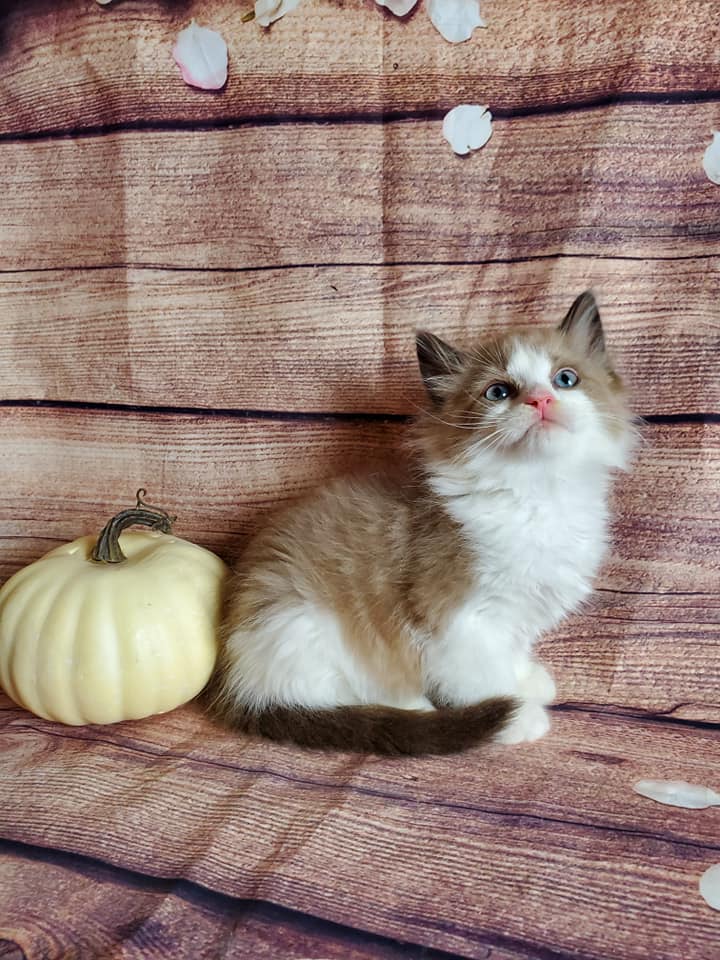
Bringing home a Ragdoll kitten means preparing for a curious, affectionate companion with a talent for finding small spaces. Kittens explore with their paws, teeth, and climbing skills, so areas that seem safe for an adult cat can still present serious risks to a young one.
Stairs and balconies deserve special attention because they combine height, gaps, hard surfaces, and fast movement. A thoughtful setup helps prevent falls while giving your kitten room to investigate the home at a safe pace.
Ragdolls are known for their gentle personalities, but breed temperament does not eliminate natural feline behavior. Even a relaxed kitten may chase a toy onto a landing or squeeze through an opening. Safety barriers should always be in place before the kitten arrives.
See The Space From A Kitten's Height
Begin with a slow inspection at floor level. Look beneath stair rails, behind furniture, and along balcony edges for openings that could admit a small head or paw. A kitten may fit through a gap that appears far too narrow for an adult cat.
Check for loose cords, dangling decorations, exposed nails, sharp corners, and objects that can be pushed toward an edge. Remove lightweight furniture from balconies and stair landings, since a kitten can use a chair, planter, or storage box as a launching point.
Make Stairways Safer
A secure gate is the simplest way to restrict access while a kitten is learning the household boundaries. Choose a pressure-mounted or hardware-mounted gate that cannot wobble, climb, or collapse when bumped. Gates made for infants may have openings that are unsafe for small kittens, so inspect the spacing carefully.
Solid-panel barriers are often safer than horizontal-bar designs. Horizontal rails can act like a ladder, while wide vertical gaps may allow a kitten to become trapped. Avoid accordion-style gates with diamond-shaped openings, as curious kittens can push their heads into the folds.
For open staircases, pay attention to the side railing and the space beneath each step. Temporary clear acrylic panels, securely fastened pet barriers, or professionally installed protective panels can close dangerous gaps without blocking visibility. Do not rely on cardboard, loose netting, or lightweight screens.
Secure Every Balcony Opening
A balcony should be treated as an outdoor hazard unless it has been fully enclosed with a cat-safe structure. Never assume a railing is protective enough because your kitten is small, calm, or not yet confident. Cats can climb, leap, and slip through surprisingly narrow spaces.
Inspect the entire perimeter, including the gap beneath the railing, corners, doors, drainage openings, and the area where the balcony meets the building. A balcony screen designed for insects may tear under claws and is not a reliable fall-prevention system.
The safest option is a professionally secured catio or a full-height enclosure made from durable, escape-resistant materials. The enclosure must be attached firmly to the structure, with no loose edges or climbable exterior supports. Keep balcony doors closed until the enclosure has been checked from every angle.
Compare Common Safety Barriers
The right barrier depends on the space, the kitten’s size, and whether the goal is temporary separation or permanent fall prevention. Ragdoll kittens grow quickly, so a solution that works during the first week should still be evaluated as their strength and reach develop.
| Safety option | Best use | Main concern | Practical choice |
|---|---|---|---|
| Solid pet gate | Blocking stairs or a hallway | Pressure mounts may shift | Use a sturdy model with a secure latch |
| Clear acrylic panel | Closing railing or step gaps | Requires strong installation | Fasten tightly with no sharp edges |
| Vertical-bar gate | Controlled indoor access | Gaps may be too wide for kittens | Measure openings before purchase |
| Balcony catio | Creating supervised outdoor space | Poor attachment can allow escape | Choose professional or heavy-duty construction |
| Insect screen | Keeping bugs outside | Tears and claw damage | Do not use as a fall barrier |
| Mesh netting | Temporary gap coverage | Can loosen or entangle paws | Use only when specifically rated and firmly secured |
Create A Calm Transition Area
A new kitten benefits from a smaller, carefully prepared room before exploring the entire home. This gives the kitten access to food, water, a litter box, scratching surfaces, resting places, and safe toys without immediate exposure to stairs or balcony doors.
Keep the transition room away from open stairwells and use a solid door or properly fitted barrier. Spend time on the floor with the kitten so you can observe how it climbs, squeezes, bats at objects, and responds to household sounds. These early observations often reveal hazards that a quick inspection misses.
Once the kitten is settled, expand access gradually. Supervise the first visits near stairs, and keep balcony doors locked or closed. A confident kitten may still make a sudden dash after a toy, bird, or moving shadow.
Build A Daily Safety Routine
Kitten-proofing is an ongoing process rather than a single installation task. Recheck gates after cleaning, moving furniture, or receiving deliveries. Watch for chewing, climbing, and attempts to push under barriers, particularly during energetic play sessions.
Before allowing supervised exploration, confirm that stair doors are closed, balcony access is secured, and toys are not placed near drop-offs. Keep breakaway collars properly fitted if used, and avoid strings, ribbons, and wand toys when no person is present.
Use these habits to keep the environment consistent:
- Test every gate latch and barrier connection each day.
- Keep chairs, boxes, planters, and stools away from balcony railings.
- Cover or block stair gaps before giving a kitten access to upper levels.
- Store cords, small objects, and dangling decorations out of reach.
- Supervise balcony time even inside a properly enclosed catio.
- Replace damaged screens, loose fasteners, and worn protective panels immediately.
A well-prepared home supports the social, confident development encouraged in a family-raised kitten. Daily handling and gentle supervision can help a Ragdoll learn household routines, but physical barriers remain essential because training cannot override instinct or a moment of excitement.
If you are preparing for a Ragdoll kitten, contact Ragdoll Kittens Cattery for adoption information and practical guidance about creating a safe indoor home. A secure start gives your new companion the freedom to explore, play, and settle in with confidence.