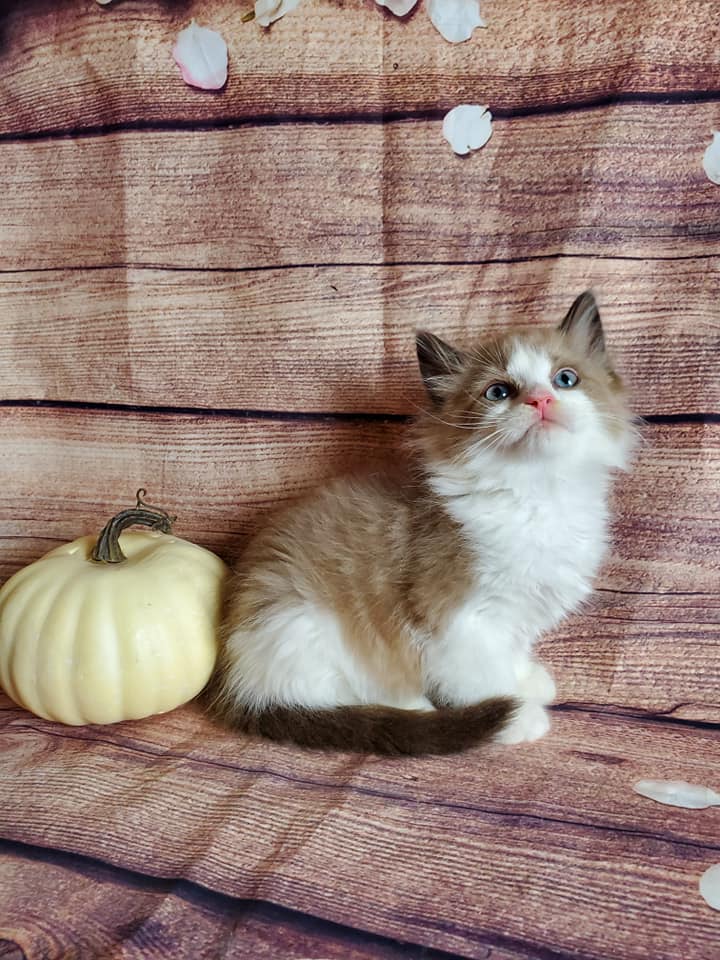
How to Litter Train a Ragdoll Kitten
Ragdoll kittens are usually quick to learn where they should eliminate. Their calm temperament, intelligence, and clean habits make litter training a manageable part of bringing home a new companion. A consistent routine helps your kitten understand the household rules without stress.
At Ragdoll Kittens Cattery in Helena, Montana, kittens are raised indoors in a cage-free family environment and handled every day. This early socialization supports confidence as kittens transition to a new home, though each kitten may need time to adjust to unfamiliar rooms, sounds, people, and litter supplies.
The most effective approach combines the right box, familiar litter, frequent reminders, and positive reinforcement. Accidents are usually communication rather than defiance, so patience and observation are essential.
Prepare The Litter Area
Choose a quiet, easy-to-reach location where your kitten can find the box without crossing a busy part of the home. Keep it away from food and water dishes, loud appliances, and areas with heavy foot traffic. A bathroom, laundry room, or calm corner can work well if the door remains open.
Ragdolls grow into large cats, so select a box that will remain comfortable as your kitten matures. The entrance should be low enough for a young kitten to step over easily, while the interior should allow turning, digging, and covering waste. Open boxes are often less intimidating during the early training period.
Use the same litter your kitten already knows whenever possible. A gradual change is easier than an immediate switch. Unscented, low-dust litter is generally a good starting point because strong fragrances can discourage sensitive cats from using the box.
Establish A Simple Routine
Place the kitten in the litter box after waking, eating, drinking, and active play. These are common times for elimination. Gently set the kitten inside and allow time to sniff and explore; there is no need to move the paws or force digging.
Watch for signals such as circling, sniffing the floor, scratching at a corner, or suddenly leaving play. Calmly carry the kitten to the box when these signs appear. Young kittens have small bladders, so frequent access is more helpful than expecting them to remember the box from across the house.
For the first several days, limit unsupervised access to a comfortable area with the litter box nearby. Once your kitten uses it reliably, gradually open additional rooms. This method builds a clear association between the box and the behavior you want.
Keep The Box Clean And Appealing
Scoop waste at least once daily, and more often if possible. Many cats avoid a dirty box, especially when they have been accustomed to a carefully maintained nursery. Replace litter according to the product instructions and wash the box with mild, unscented soap.
Avoid ammonia-based cleaners near the litter area because their smell can resemble urine. If an accident occurs, use an enzymatic pet-odor cleaner on rugs, flooring, or upholstery. Ordinary cleaning products may leave scent traces that encourage repeat marking.
Provide one litter box per cat, plus an additional box when space allows. Multiple levels of a home may also require a box on each floor. Extra access is especially useful during the adjustment period or when a kitten is still learning the layout.
Compare Common Litter Setups
| Litter setup | Advantages | Considerations |
|---|---|---|
| Open, low-sided box | Easy entry, simple to monitor, less confining | Waste is more visible and litter may scatter |
| Covered box | Reduces visible litter and may contain odors | Some kittens dislike the enclosed space or trapped smells |
| Unscented clay litter | Familiar texture and easy scooping | Can create dust; choose a low-dust formula |
| Paper or pellet litter | Often low-dust and gentle for sensitive paws | Texture may require a slower transition |
| Multiple boxes | Gives convenient access and reduces accidents | Requires more cleaning and floor space |
When selecting between these options, prioritize your kitten’s comfort and previous experience. A familiar texture in a basic open box is often the easiest starting point. You can test another style later after your Ragdoll is using the litter area consistently.
Respond To Accidents Calmly
Never punish, shout, or rub a kitten’s nose in an accident. These reactions can create fear and may cause the kitten to hide when it needs to eliminate. Instead, clean the area thoroughly and review what happened immediately beforehand.
An accident may mean the box was too far away, difficult to enter, dirty, or located in a stressful spot. It can also happen because a kitten had too much freedom too soon. Return to a smaller supervised area for a short time, then expand access gradually.
If your kitten repeatedly urinates outside the box, strains, cries, produces very little urine, has diarrhea, or shows blood in the urine or stool, contact a veterinarian promptly. Litter avoidance can signal a medical problem rather than a training issue. Health screening and responsible care are important parts of selecting a kitten, but new symptoms still require professional evaluation.
Support Long-Term Litter Habits
Once the routine is established, keep the box location and litter type stable. If you need to move the box, shift it a few feet at a time rather than relocating it suddenly. Make changes slowly when introducing a new brand, covered design, or pellet texture.
A kitten coming from a home-based cattery may already have useful litter habits, but moving day can temporarily disrupt them. Bring familiar bedding or a small amount of the original litter scent if available, and give the kitten a peaceful first room before introducing the rest of the home.
Helpful Habits For A Smooth Transition
- Place your kitten in the box after meals, naps, and energetic play.
- Keep the box clean, accessible, and separate from feeding areas.
- Reward successful use with gentle praise or a small age-appropriate treat.
- Supervise exploration until your kitten consistently returns to the box.
- Contact a veterinarian for persistent accidents or signs of discomfort.
With consistency, most Ragdoll kittens develop dependable litter habits quickly. A calm home, suitable equipment, and daily attention create a reassuring transition from the cattery to family life. For information about available purebred Ragdoll kittens, health testing, colors, markings, and adoption as loving pets or therapy cats, contact Ragdoll Kittens Cattery in Helena, Montana.