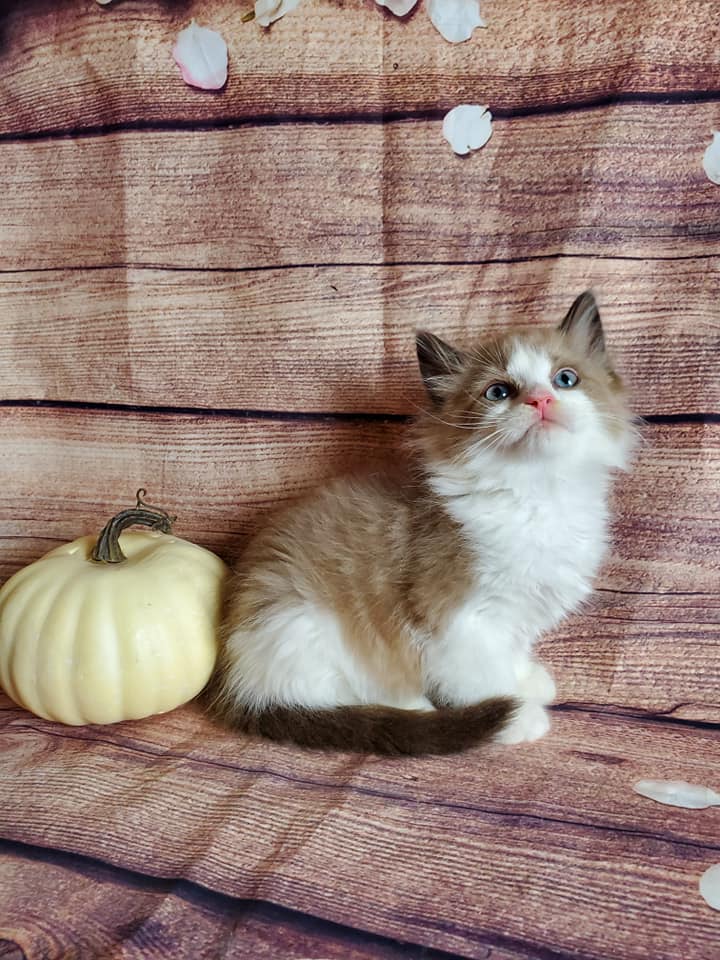
Keeping Your Ragdoll's Silky Coat Between Professional Grooming Visits
Ragdolls carry a single, plush undercoat and a silky topcoat that resists matting far better than the woolly double coats of Persians or Maine Coons. Even so, that signature softness can turn stringy and tangled without a steady routine at home. Most owners book a professional groom every six to eight weeks, which leaves a long stretch where daily care determines whether the coat stays show-ready or develops knots behind the ears, in the armpits and along the britches.
Australia throws a few curveballs at longhaired cats. Summers in Adelaide or western Sydney can climb past forty degrees, while Brisbane's coastal humidity makes the air feel heavy almost year-round. Indoor cats feel those swings less directly, but the constant cycle of ducted heating in July and reverse-cycle aircon in January still pulls moisture from the coat, leaving the ends brittle. Layered on top of that, a long-haired house cat kept mostly indoors through our mild winters can hold onto dead hair for months, which is why a home routine matters so much here.
The good news is that maintaining a Ragdoll's coat does not need to become a second job. A few minutes most days, the right kit, and a sensible approach to bathing and diet keep the fur gliding between visits. This guide walks through the practical steps, from brush selection to seasonal adjustments, so your blue-eyed companion keeps that cloud-soft feel without constant trips to the salon.
Weekly brushing is the foundation of at-home coat care. Aim for two short sessions a week at minimum, and four during the spring moult that sweeps across most of southern Australia between September and November. Use long, slow strokes following the direction of hair growth, starting at the head and working down the back, sides, chest and tail. Pay extra attention to friction zones: behind the ears, under the front legs, the flanks and the back of the thighs. These are the spots where loose fur tangles fastest, especially on cats who nap on woollen doonas or follow you onto the couch in the arvo sun.
Brushing tools that suit a Ragdoll's texture
Ragdoll fur behaves differently from a British Shorthair's pelt or a Birman's cotton-soft undercoat, so a mismatched brush can do more harm than good. A medium-pin slicker with flexible stainless steel tips works well for the body, while a long-toothed metal comb is the safest way to work through the tail and the bib. Skip anything with rotating bristles or rubber nubs, since those tend to snag on the guard hairs and create breakage rather than smooth it out.
Pet stores in suburban shopping centres from Chatswood to Cannington stock the basics, but it is worth asking your local groomer which brand they prefer. Many Adelaide and Melbourne salons recommend the same range of combs used in show halls, and a good steel comb can outlive three cheaper replacements bought from the discount aisle at Woolies.
Bathing without stripping natural oils
Ragdolls rarely need a full bath, but a gentle rinse every couple of months helps lift environmental grime and reduces the amount of loose hair swallowed during self-grooming. Use a cat-specific shampoo with a neutral pH, dilute it in warm water, and rinse thoroughly. Tepid water is critical in our climate; cats left damp in a poorly ventilated laundry on a hot Perth afternoon can overheat quickly.
Towel-dry first, then finish with a hair dryer on the lowest cool setting while brushing through the coat. Many Australian groomers now offer a brush-out service between full grooms, which can be a sensible halfway step if your Ragdoll tolerates a short visit to the salon.
Diet, hydration and the inside-out approach
Coat condition reflects what goes into the bowl. Australian-made dry foods such as Advance or Black Hawk include omega-3 and omega-6 ratios that suit longhaired breeds, and many owners add a small spoonful of wet food at dinnertime to lift overall water intake. A ceramic water fountain placed away from the food bowl often encourages drinking, particularly in households where the tap water carries a strong chlorine taste from the local treatment plant.
Talk to your vet before adding fish oil or kelp supplements. Over-supplementation can unsettle digestion, and Ragdolls are already predisposed to certain sensitivities. A balanced, premium diet and steady hydration will do more for shine than any number of topical products.
Adapting to the Australian home environment
Indoor climate control quietly shapes coat health. Reverse-cycle aircon strips humidity, so placing a shallow water dish near a sunny window or running a small humidifier in the living area helps during long heatwaves. Central heating does the same in winter, especially in elevated towns like Ballarat or Canberra where winter nights regularly drop below zero. Brushing the cat on top of a washable cotton throw also catches most of the loose hair and saves the couch from a fine blue-grey layer.
For households in bushfire-prone areas along the east coast, smoky summer days can leave a film on the coat. A quick wipe with a damp microfibre cloth after a particularly bad air-quality day removes fine particles before they work their way into the undercoat. Keep a simple first-aid kit in the laundry, including saline and tick-removal tools, since paralysis ticks remain a concern for outdoor-leaning cats in coastal Queensland and New South Wales.
Managing seasonal shedding
Ragdolls do not blow their coats as dramatically as some breeds, but a noticeable lift in shedding still happens twice a year. During peak moulting, increase brushing to every second day and consider adding a de-shedding tool with longer, rounded teeth to your routine. Avoid Furminator-style blades for this breed, since they can cut into the silky guard hairs and leave a rough texture that takes months to grow out.
A second professional brush-out in the middle of the moult season is often cheaper than a full groom and gives the coat a clean reset without the stress of a long appointment. Many mobile groomers around Brisbane and the Gold Coast offer these short visits and will come to the driveway, which suits nervous cats far better than a busy salon.
Building a realistic weekly routine
The table below compares the main tools and how they fit into a balanced home routine for a typical indoor Ragdoll in an Australian household.
| Tool | Best for | Frequency | Notes for Australian homes |
|---|---|---|---|
| Medium-pin slicker brush | Body, flanks, back | 2-3 times a week | Works well in dry aircon; replace yearly |
| Long-toothed metal comb | Tail, bib, friction zones | Once a week | Catches tangles slicker leaves behind |
| De-shedding rake with rounded teeth | Spring and autumn moult | Every second day in peak season | Skip during winter to preserve undercoat |
| Microfibre cloth | Smoke, dust, daily freshening | As needed | Handy during bushfire season and dust storms |
Set a phone reminder for the same arvo each week, brush in a calm room with a closed door, and reward with a small treat. Consistency turns grooming into a predictable ritual rather than a wrestling match, and it gives the cat something to look forward to.
Pick one day this weekend to lay out your brush, comb and a clean towel in the spot where your Ragdoll usually naps. Spend ten minutes working through the coat, note any tangles that need extra attention, and book a brush-out with your local groomer for a fortnight's time. The next professional visit will be quicker, calmer and cheaper when the home routine is already doing the heavy lifting.