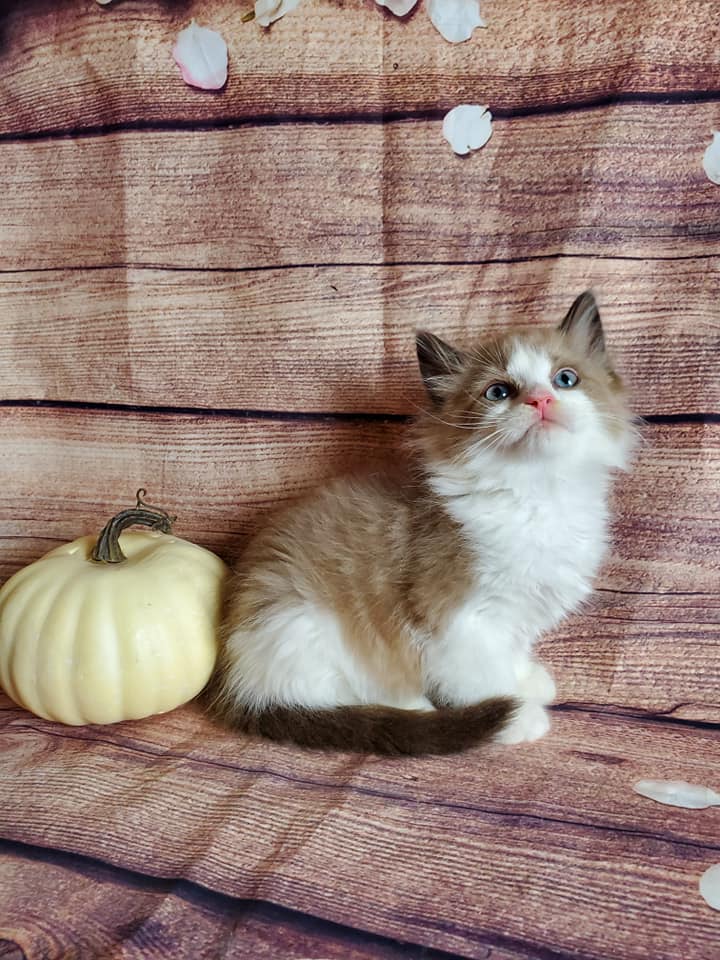
Safe DIY Cat Toys Crafted for Ragdoll Kittens
Ragdoll kittens are famous for their floppy, laid-back personalities, but when playtime hits, they turn into focused little hunters with surprisingly strong pounce instincts. Because the breed grows into a large, heavy cat, toys need to be sturdy enough to handle a firm bunny-kick without falling apart into hazardous bits. Store-bought toys work fine, yet many Aussie cat owners enjoy putting together their own versions using materials from around the home or the local hardware.
Before grabbing the scissors, it helps to think about what makes a toy genuinely safe for a young Ragdoll. Kittens explore with their mouths, so anything that can be swallowed, shredded, or wrapped around a neck is a no-go. Loose threads, small buttons, and elastic bands are the usual troublemakers, along with anything treated with harsh dyes or finishes.
Australia throws a few extra curveballs at indoor cat households, especially during the long, hot summer months. Toys left in direct sun through a window can heat up or leach chemicals, and the dry air in places like Adelaide or inland NSW can affect how certain fabrics hold up. Sourcing materials locally and keeping play sessions short during the peak arvo heat keeps kittens comfortable and engaged.
Picking materials that suit a sensitive breed
Ragdolls have soft, semi-long coats and a reputation for being less rough on toys than some other breeds, but their size means they can still rip a flimsy object apart in minutes. Natural fibres tend to work better than synthetics because they fray less dangerously and wash easily. Look for untreated cotton, wool remnants, or felt from a Spotlight roll, all of which are widely available at any major Aussie fabric retailer.
Avoid anything coated in toxic finishes, including varnished wood offcuts and treated rope. Sisal from Bunnings is fine, though check the label to make sure no chemical preservative has been added. Feathers from a craft shop should be clean and unbleached, and any elastic must be either fully enclosed or left out entirely, as kittens can get a loop caught around their tongue or jaw.
When sourcing fabric, keep an eye out for the ACCC product safety guidelines, which apply to pet items sold commercially and are a useful benchmark for home projects too. Wash everything in a fragrance-free, pet-safe detergent before the first play session, and toss anything that starts to shed, unravel, or develop a musty smell.
Feather wands for gentle afternoon play
A feather wand is one of the easiest projects and gives a Ragdoll kitten the chance to practise the stalk-and-pounce sequence the breed loves. You will need a thin wooden dowel (available by the metre at Bunnings for a few bucks), some strong cotton string, and a handful of un-dyed feathers. Tie the feathers into a small bundle, secure them with the string, and fasten the other end to the dowel with a non-toxic glue or a tight knot.
Keep the string short enough that the kitten cannot get tangled, and always put the wand away after the game. Leaving a feathered toy out unsupervised is a recipe for shredded feathers and an unhappy tummy if bits get swallowed. Many Australian cattery owners recommend a quick ten-minute session once or twice a day, which fits nicely around brekkie and the evening cool-down.
For households with more than one kitten, make a couple of wands so the play stays fair. Ragdolls generally play politely, but even the mellowest cat can get a bit grabby when a feather is involved. Store the wands in a dry spot, ideally inside a drawer, so the feathers stay fresh and the string doesn't stretch out in the humidity that creeps in along the east coast during a wet summer.
Crinkle and kick toys from soft fabric
Kittens adore a kicker toy they can grab with their front paws and bunny-kick with the back legs, and Ragdolls in particular throw themselves into this style of play. Cut two rectangles of soft fleece or flannelette (the kind sold at any Aussie fabric chain in winter), sew them together with a small opening, and slip in a piece of crinkly cellophane-free plastic, like the inner lining of a pet food bag that has been rinsed and dried.
Stitch the opening closed securely with doubled cotton thread. Skip anything with a squeaker, as the small metal parts inside can come loose over time and become a choking risk. A handful of catnip from the pet store, tucked into a small inner pocket before sealing, is a nice optional touch for kittens older than about six months.
These toys hold up well to machine washing, which matters in homes where the family dog likes to "help" by carrying toys around the backyard. A cold wash in a delicates bag keeps the fabric from pilling, and air-drying on the line preserves the shape. Keep a couple in rotation so a freshly washed one is always ready when the kitten comes looking for a wrestle.
Puzzle feeders using everyday pantry finds
Ragdolls are clever cats, and a puzzle feeder turns snack time into brain time, which can be especially useful for indoor-only cats in apartments in Melbourne or Brisbane. One of the simplest designs uses a clean cardboard egg carton from Woolworths or Coles. Place a few pieces of kibble in the cups, close the lid, and let the kitten work out how to flip it open.
For something sturdier, grab a few paper rolls from inside paper towel or toilet paper, and stuff them inside a small cardboard box with kibble sprinkled through. The kitten has to dig and bat to get the food out, which burns off energy on a quiet Sunday arvo when the family is busy. Always use plain cardboard with no shiny printing, as inks can rub off when wet.
| Toy Type | Materials | Difficulty | Cost (AUD) | Supervision Needed |
|---|---|---|---|---|
| Feather Wand | Dowel, cotton string, feathers | Easy | $5–$10 | Yes, every session |
| Crinkle Kicker | Fleece, plastic liner, thread | Medium | $3–$8 | Low, check regularly |
| Egg Carton Puzzle | Cardboard egg carton, kibble | Very easy | $0–$2 | Medium, early sessions |
| Fabric Pouch Puzzle | Felt, thread, small treats | Medium-hard | $5–$15 | Low |
| Cardboard Castle | Boxes, non-toxic tape, toys | Medium | $0–$5 | Low once assembled |
If you prefer a fabric version, sew small pouches onto a piece of felt and hide treats inside. Make sure all seams are double-stitched, and avoid velcro, which can come off and be swallowed. Puzzle feeders should be introduced gradually, with help from you at first, so the kitten learns the game without getting frustrated.
Cardboard castles from Bunnings scraps
Ragdoll kittens love a hidey-hole, and a small castle made from cardboard boxes can keep them entertained for hours. Collect a few clean boxes from the recycling bin, cut doorway openings with a craft knife (store the knife safely out of reach), and tape them together using non-toxic paper tape or hot glue that has fully cooled.
Toss in a couple of the kicker toys or a feather, and the kitten has a multi-room adventure. Avoid staples, which can rust and cut tiny paws, and skip any box with heavy printing on the outside. A quick scrub with a damp cloth removes dust before the box goes on the floor.
For a bit of extra fun, thread a piece of string through the top of one box and dangle a feather from the ceiling so it bobs in and out of a window. This mimics the way a bird might flit past a window, which appeals to the breed's love of watching the world from a high perch.
Staying cool during an Aussie summer
Heat is the biggest seasonal challenge for homemade toys in Australia. Plastic components can warp or release chemicals when left in a hot window, and feathers or felt can develop mould in humid areas like far north Queensland. Keep play areas in the coolest part of the house, ideally a tiled room with a ceiling fan running.
During heatwaves, swap high-energy toys for quieter puzzles and frozen treat feeders. A damp towel draped over a cardboard box creates a cool cubby that many Ragdolls will happily nap in. Always provide fresh water nearby, and bring play sessions inside before the temperature climbs past the low thirties.
Toys should be checked more often in summer, as wear and tear happens faster. A weekly inspection takes only a few minutes and catches loose threads, cracked plastic, or anything that might have grown a bit of mildew in the damp. Replacing worn toys promptly is cheaper than a vet visit, and most Aussie pet insurance plans expect owners to take reasonable precautions.
A few thoughtful materials, a bit of patience, and regular inspection are the real secrets behind toys that keep a Ragdoll kitten safe and stimulated. Local hardware stores and fabric shops make it easy to gather everything needed in a single weekend arvo, and most projects cost less than a takeaway coffee. The kitten gets enrichment tailored to the breed, the family gets a relaxing shared activity, and the toy box stays full of items built to last.