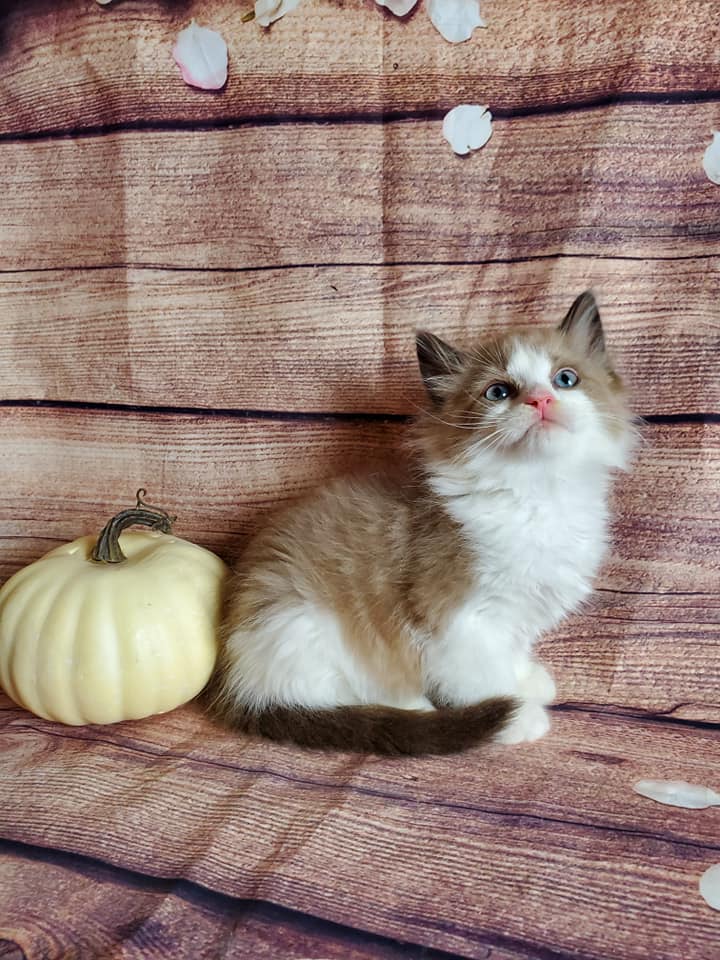
How to Photograph Your Ragdoll Kitten Like a Pro
Ragdoll kittens are natural subjects for beautiful photographs. Their blue eyes, soft coats, relaxed personalities, and distinctive color patterns give every image plenty of visual interest. Still, a charming kitten photo depends on more than a good camera. Light, timing, background, and patience all shape the final result.
The best portraits feel calm and natural. A kitten raised in a family environment may already be comfortable around people, but photography equipment, unfamiliar poses, and sudden movements can still be distracting. Work at the kitten’s pace, keep sessions brief, and reward cooperation with affection or a small treat.
Whether you use a smartphone or a mirrorless camera, the same principles apply. Focus on the eyes, remove visual clutter, and capture the details that make your Ragdoll unique, from a fluffy ruff to perfectly relaxed paws.
Choose Soft, Natural Light
Window light is usually the easiest way to create a flattering kitten portrait. Place your Ragdoll near a bright window, but keep the kitten out of direct midday sunlight. Harsh rays can create deep shadows, washed-out fur, and uncomfortable squinting.
Overcast daylight is especially useful because clouds act like a giant diffuser. If the room is too bright, soften the light with a sheer curtain. Position the kitten so the light falls across the face or comes slightly from the side. Front lighting reveals eye color clearly, while side lighting adds texture to a long, silky coat.
Turn off strong overhead lights when possible. They can create distracting shadows beneath the nose and chin. Avoid using an on-camera flash close to the kitten’s face, as the sudden burst may startle the animal and produce flat-looking fur.
Create A Calm, Clean Setting
A simple background keeps attention on the kitten. Neutral blankets, a wooden floor, or a plain sofa can work well, especially when their color contrasts gently with the coat. Remove toys, cables, food bowls, and busy patterns from the frame before you begin.
Photograph at the kitten’s eye level rather than pointing down from above. Lowering the camera makes the kitten appear more engaging and gives the image a professional portrait quality. It also lets you include the soft curve of the body, the tail, and the surrounding environment without making the kitten look compressed.
Give the kitten a comfortable place to settle. A washable blanket or small cat bed provides texture and security while keeping the scene tidy. If you are documenting a new family pet, the setting can include one meaningful item, such as a favorite toy, without overwhelming the composition.
Use Your Camera With Intention
Smartphones produce excellent kitten photos when you use the standard camera lens and tap directly on the eyes. Avoid excessive digital zoom, which can reduce detail in whiskers and fur. Move closer instead, provided the kitten remains relaxed.
For interchangeable-lens cameras, a portrait lens in the 50mm to 85mm range creates natural proportions and attractive background blur. Select a fast shutter speed—around 1/250 second or faster—to freeze sudden movement. Ragdoll kittens may be laid-back, but a twitching tail or playful pounce can happen without warning.
Use burst mode for active moments and single-point autofocus when the kitten is still. The eyes should be the sharpest part of the image. If the camera offers animal-eye autofocus, enable it and check the focus on the screen before changing your position.
These settings provide a useful starting point for different situations:
| Shooting Situation | Light Preference | Useful Setting | Composition Tip |
|---|---|---|---|
| Resting by a window | Soft side light | 1/250 second, wide aperture | Focus on the nearer eye |
| Playtime | Bright, even light | Burst mode, fast shutter | Leave space in front of movement |
| Close-up face portrait | Diffused window light | Portrait lens or standard lens | Include whiskers and both eyes |
| Sleeping kitten | Low, gentle light | Higher ISO if needed | Keep the frame quiet and uncluttered |
| Outdoor shade | Open shade | Auto white balance | Watch for green color reflections |
Capture Personality, Not Just Appearance
The most memorable Ragdoll kitten pictures show behavior. Photograph a stretch after waking, a curious glance toward a toy, a gentle yawn, or a relaxed moment in someone’s lap. These small actions reveal temperament better than a carefully arranged pose.
Use a feather wand or soft toy just above the camera to direct the kitten’s gaze. Ask a helper to make a quiet sound behind you if you need the ears to point forward. Keep the distraction brief and avoid waving objects rapidly near the face.
For a breed reference, capture several angles: a full-body image, a face close-up, a side profile, and a relaxed sitting pose. This is helpful when recording coat color, markings, eye expression, and growth over time. A cattery such as Ragdoll Kittens Cattery can also provide useful background on breed traits and kitten development when you want your photo journal to be more informative.
Build A Simple Shooting Routine
A consistent routine makes photographing kittens easier and keeps the experience positive. Begin with a few casual images while the kitten explores the setting. Once it settles, move into close-ups and posed portraits, then finish with playful photographs.
Use these practical recommendations:
- Clean the camera lens before every session to prevent hazy highlights.
- Photograph at the kitten’s eye level and leave some space around the ears and tail.
- Keep sessions to about five or ten minutes, with breaks whenever the kitten loses interest.
- Take several frames of each pose because blinking and whisker movement are unavoidable.
- Reward calm behavior with gentle praise, cuddles, or an approved treat.
Keep your movements slow and your shutter sound low if your camera allows it. A relaxed kitten will produce more natural expressions than one being repeatedly repositioned. Never force a pose or restrain the kitten for a photograph.
Edit With A Light Touch
Editing should refine the photograph rather than change the kitten’s natural appearance. Adjust exposure, contrast, and white balance first. Ragdoll coats can look yellow under indoor bulbs or blue in heavy shade, so correct the overall color before increasing saturation.
Crop distractions from the edges and straighten the frame if needed. A small increase in sharpness can bring out whiskers and fur detail, but excessive clarity may make the coat look harsh. Avoid changing eye color, coat markings, or body proportions, especially when the image is being used to document a kitten accurately.
Save the original file before editing. You can then create one version for printing and another resized for social media. Consistent framing and natural colors will make a collection of kitten portraits look polished without losing its personal character.
With soft light, a quiet setting, and a patient approach, your Ragdoll kitten can look relaxed, expressive, and beautifully detailed in every frame. Set up a short session during a calm part of the day, keep the camera ready, and let genuine moments guide the photographs.