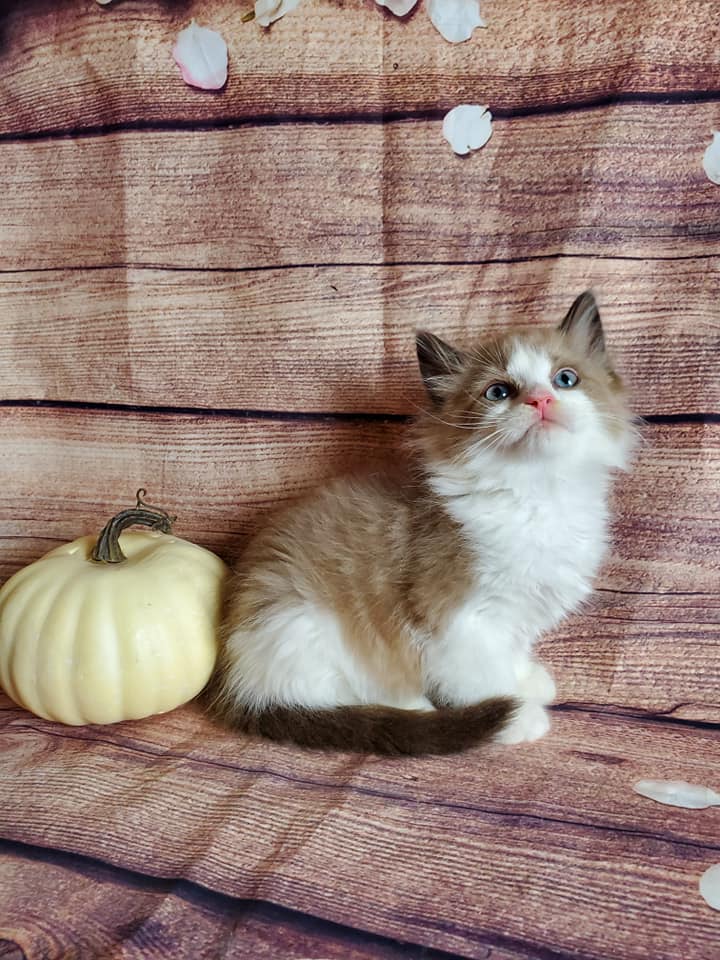
Planning a Balanced Diet for a Ragdoll Cat with a Sensitive Stomach
Ragdolls are best known for their calm temperament and plush coats, yet many carry a digestive system that reacts to common ingredients. Cats raised in a TICA-registered hobby cattery usually start on a simple menu, but can still develop sensitivities as they settle into homes across Australia. A balanced diet tailored to a delicate gut keeps these cats comfortable through varied climates and household routines.
Planning menus for a touchy stomach does not require rare ingredients or elaborate routines. The aim is steady protein, controlled fat, and few additives that commonly trigger reactions. Supermarket shelves from Sydney to Perth, alongside independent pet retailers in Adelaide and Hobart, give owners plenty of practical choices for building a sensible plan close to home.
Understanding Why Ragdolls React to Foods
Even relaxed breeds can show sharp gut responses to certain proteins or fillers. Typical signs include loose stools, vomiting soon after eating, gas, or a coat that loses its silky sheen. Genetics contribute, but lifestyle factors such as sudden diet changes, rich treats, and stress matter as much.
Because Ragdolls thrive on routine, their digestion often stabilises when meal times, portions, and ingredient lists stay consistent. Kittens weaned onto a limited ingredient range cope better when they later join households in Brisbane, Melbourne, or regional New South Wales towns. The breed matures slowly, sometimes taking four years to reach full size, so nutritional support matters well past kittenhood.
Decoding Labels on Shelves Across Australia
Pet food sold locally follows Pet Food Industry Association guidelines, though the level of detail on labels varies between brands. Reading the ingredient declaration before the front-of-bag marketing helps owners spot triggers early. Whole proteins named clearly, such as chicken, salmon, or kangaroo, suggest higher quality, while vague phrases like "meat by-products" or "animal digest" often signal lower grade sources.
Australian shoppers in Canberra and Geelong find familiar names alongside premium ranges from local producers. Brands such as Advance, Black Hawk, and Ivory Coat use regionally sourced proteins in many sensitive-stomach recipes. Imported options including Hill's Science Diet and Royal Canin sit on shelves in vet clinics, Petbarn, and Pet Stock, while Coles and Woolworths stock accessible maintenance diets for everyday feeding.
Choosing Proteins That Sit Well
Novel proteins are often the first step for cats reacting to standard chicken or beef formulas. Kangaroo and duck feature widely in Australian-made sensitive diets because they are locally farmed and less likely to have been part of a kitten's early exposure. Rabbit and venison appear in boutique ranges sold through independent stores in Perth and the Adelaide Hills.
Single-protein or limited ingredient diets reduce the chance of an immune response while keeping meals palatable. A rotation of two or three trusted proteins stops the gut from becoming overly reliant on one source and lowers the risk of new intolerances forming later. Any new protein should be introduced slowly, mixed in small portions over at least seven days before a full switch.
Wet Food, Dry Food and the Hydration Question
Australian summers in Darwin and inland Queensland raise hydration needs, making wet food valuable for sensitive cats that do not drink enough. Pouches and cans from Royal Canin, Hill's, and local brands such as Feline Natural offer moisture-rich meals that soothe the digestive lining. Dry kibble, when chosen carefully, complements wet meals through dental benefits and convenience for working owners.
The best results usually come from combining both formats. A breakfast serving of soaked kibble with warm water softens texture, while an evening portion of wet food delivers extra fluid. Sensitive cats occasionally refuse dry food altogether, in which case a full switch to wet or freeze-dried options works well. Filtered water in ceramic bowls, refreshed twice daily during warm spells, supports overall gut function.
| Format | Moisture | Protein Quality | Storage | Best For | Monthly Cost (AUD) |
|---|---|---|---|---|---|
| Dry kibble | 8-10% | Varies by brand | Easy, long shelf | Dental health, convenience | $40-$90 |
| Wet food | 70-80% | Often high | Short once opened | Hydration, palatability | $70-$150 |
| Freeze-dried raw | 5-10% rehydrated | Premium grade | Easy if sealed | Sensitive cats, novel proteins | $90-$180 |
| Home-cooked | Variable | Depends on source | Requires prep | Strict allergy control | $80-$160 |
Fibre, Probiotics and Digestive Supplements
Prebiotic fibres such as psyllium husk, chicory root, and slippery elm help regulate stool quality without irritating the gut. Several Australian brands include these fibres directly in sensitive-stomach formulas, sparing owners the need for separate powders. Probiotic strains designed for cats, including Enterococcus faecium and select Bifidobacterium species, support a balanced microbiome after antibiotic courses or short-term dietary slip-ups.
Omega-3 oils from Australian-caught fish or New Zealand green-lipped mussel reduce inflammation in the intestinal wall. These supplements come as flavoured liquids that most Ragdolls accept readily. Any additive must be formulated for cats, since some human probiotics and oils contain ingredients that cause more harm than good in felines.
Daily Routine and Portion Strategy
Consistency matters as much as ingredient quality. Feeding the same measured portions at the same times each day trains the gut to anticipate meals and produce digestive enzymes on schedule. Indoor Ragdolls in apartments across Sydney and Melbourne usually do well on two meals a day, while kittens under six months benefit from three to four smaller servings.
Portion sizes depend on weight, body condition, and activity level rather than the package's suggested amount. A typical adult Ragdoll weighing four to seven kilograms needs roughly 50 to 70 grams of dry food equivalent per day, split across meals. Treats should make up no more than ten percent of daily calories to preserve the nutritional balance of the main diet.
Practical Adjustments Every Owner Can Make
The path to better digestion does not require complicated recipes. A handful of practical habits lifts most daily pressure on a sensitive Ragdoll's gut. Combining these habits with the protein, format, and supplement choices above gives cats a steady platform for recovery and long-term comfort.
These adjustments cost very little and fit neatly into daily life, whether feeding kittens or adult cats. Owners in apartments across Brisbane and Melbourne often start with just two changes before committing to a full diet overhaul, and they typically see firmer stools and calmer appetites within a few weeks.
- Pick a single protein source and stick with it for at least two to three months before trialling another
- Soak dry kibble in warm filtered water for ten minutes before serving to soften texture
- Feed measured meals at the same times daily rather than leaving food out for free grazing
- Keep a simple food and symptom diary to share with the local veterinarian at check-ups
- Choose supplements designed specifically for felines, especially probiotics that list the bacterial strain on the label
Balanced feeding rests on consistency, quality ingredients, and an attentive eye for the cat's signals. With shelves in Melbourne, Hobart, and Perth offering well-tested sensitive diets, owners across Australia have plenty of workable choices nearby. Sticking to a calm routine, weighing portions carefully, and visiting local vets when patterns shift keeps a Ragdoll comfortable through every season. The reward is a relaxed companion that flops into a lap at the end of the day with a glossy coat and steady appetite.