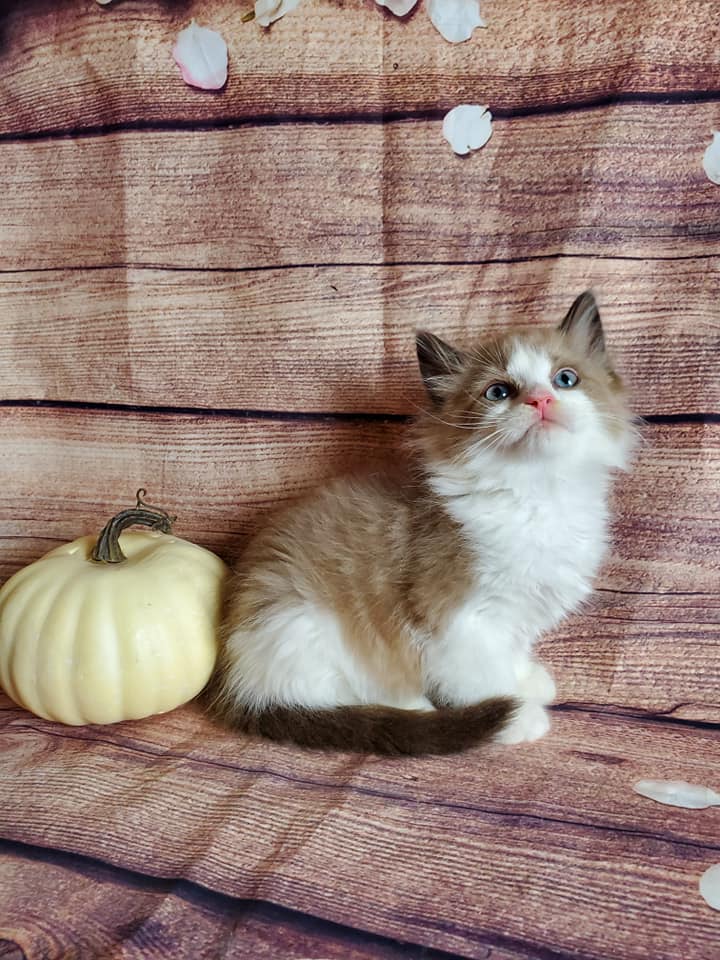
How to Play with Your Ragdoll: Interactive Toys and Games
Ragdoll cats are known for their gentle temperament, intelligence, and affectionate relationship with people. Although they often enjoy relaxing beside their families, they still need daily physical activity and mental stimulation. Interactive play helps a Ragdoll kitten develop coordination, confidence, and healthy habits while strengthening the bond between cat and owner.
The best play sessions combine movement, curiosity, and variety. A wand toy can imitate prey, a puzzle feeder can encourage problem-solving, and a simple game of chase can turn an ordinary hallway into an exercise space. Since Ragdolls are indoor cats with a soft, semi-long coat, purposeful play is especially useful for supporting fitness and enrichment at home.
Understanding Your Ragdoll’s Play Style
Ragdolls often prefer gentle, engaging games rather than rough or overly frantic activity. Many enjoy following a toy across the floor, reaching from a cat tree, or watching an object move behind furniture. Their relaxed nature should not be mistaken for a lack of interest; some simply need a slower introduction before joining a game.
Kittens usually have short bursts of energy and may switch quickly between chasing, climbing, and resting. Adult Ragdolls may prefer several brief sessions throughout the day. Watch your cat’s body language and allow them to pause, observe, or walk away. Play should feel rewarding rather than demanding.
Choosing Interactive Toys
Wand toys with feathers, fabric strips, or soft attachments are excellent for encouraging natural stalking and pouncing behaviors. Move the toy in an unpredictable pattern, allowing your cat to hide, follow, and catch it occasionally. Frequent successful catches help prevent frustration and make the activity more satisfying.
Small balls, spring toys, and lightweight plush mice can provide independent entertainment, especially when rotated rather than left out all the time. Food puzzles and treat-dispensing toys add mental exercise, while tunnels and crinkle toys appeal to a Ragdoll’s interest in exploring enclosed spaces.
| Toy or game | Main benefit | Best way to use it | Safety note |
|---|---|---|---|
| Feather wand | Chasing and jumping | Move it like natural prey, then allow a catch | Store it after supervised play |
| Treat puzzle | Problem-solving and focus | Begin with easy openings and small portions | Count treats as part of the daily diet |
| Tunnel | Hiding and sprinting | Place it near a toy or cat tree | Check seams and openings regularly |
| Soft ball | Batting and chasing | Roll it across open flooring | Choose a size too large to swallow |
| Kicker toy | Stretching and bunny-kicking | Offer during calm floor play | Replace loose fabric or stuffing |
Games That Build Confidence
A hide-and-seek game can be as simple as moving a toy behind a cushion or allowing your cat to discover it inside a tunnel. You can also call your Ragdoll from a short distance and reward them with praise, a toy, or a small treat when they come. These activities encourage attention and create positive communication.
Try a “prey trail” by dragging a soft toy slowly around a corner, pausing near a scratching post, and then moving it into view. Change direction often so your cat must think about where the toy is going. End the game with a slower movement and a final catch, followed by a small meal or treat to complete the natural hunt-catch-eat-rest sequence.
Creating an Enriching Indoor Routine
A predictable play schedule can help your Ragdoll stay active without becoming overstimulated. Two or three sessions of five to fifteen minutes may be enough for a kitten or adult cat, although individual needs vary. Morning and evening play often work well because cats tend to be more alert around those times.
Use vertical space to add variety. A sturdy cat tree, window perch, or approved shelf gives your Ragdoll a place to climb, watch birds, and rest between activities. Rotate toys every few days so familiar items feel fresh. Keep a few favorites available while storing the rest in a safe location.
Safe Play for Kittens and Adults
Always supervise toys with strings, ribbons, elastic, or detachable parts. These items can cause injury if chewed or swallowed, so they should be put away after every session. Inspect toys regularly for frayed fabric, sharp edges, broken parts, or exposed stuffing.
Avoid encouraging hands and feet as targets, even with young kittens. Use a toy between your skin and the cat so biting and scratching are directed toward an appropriate object. If your Ragdoll becomes tired, pants, hides, or loses interest, end the session calmly and provide fresh water and a quiet resting area.
Recommendations For Daily Enrichment
A simple routine can keep interactive play consistent while giving your cat enough choice and control:
- Offer two or three short play sessions instead of one exhausting session.
- Rotate wand toys, puzzle feeders, tunnels, and balls to maintain interest.
- Let your Ragdoll catch the toy several times during chase games.
- Use treats sparingly and adjust meals if food puzzles add calories.
- Finish active play with calm petting, grooming, or a quiet resting period.
Ragdoll kittens raised in a family environment often become comfortable with human interaction, but each kitten develops at an individual pace. Gentle handling, positive reinforcement, and age-appropriate games help preserve that confidence as the kitten grows. A kitten intended as a loving companion or therapy cat can benefit from play that teaches focus, trust, and comfortable engagement with people.
Bring more joy to your Ragdoll’s daily life with thoughtfully chosen toys and short, rewarding games. Explore the available purebred Ragdoll kittens at Ragdoll Kittens Cattery in Helena, Montana, and learn how a healthy, well-socialized kitten can become a cherished part of your family.