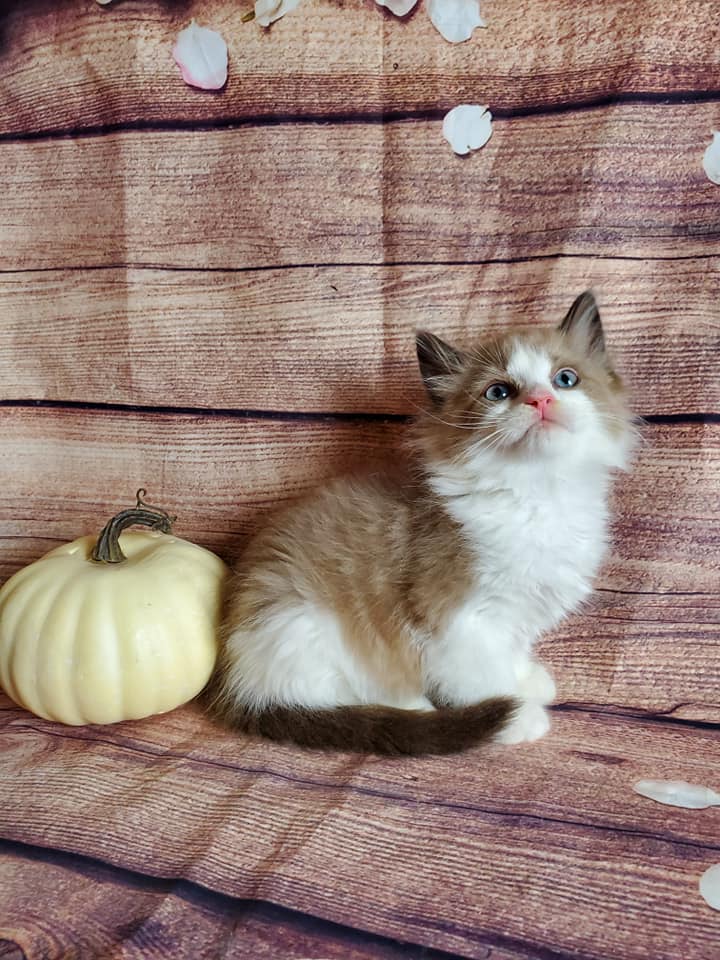
Getting a Ragdoll kitten ready for home
Preparing to bring home a Ragdoll kitten involves more than buying food and a carrier. Create a quiet, hazard-free room where the kitten can eat, sleep, explore and start trusting people without feeling overwhelmed. Set up the space first, then fit transport, paperwork and veterinary support around a fixed arrival time.
Ragdoll Kittens Cattery is a small, TICA-registered hobby cattery in Helena, Montana. Its purebred Ragdoll kittens are raised indoors in a cage-free family environment and handled daily for socialisation. The cattery screens for HCM, FIV, FeLV and feline heartworm disease, with limited placements as pets or therapy cats. Those records are useful, but an Australian vet should still review them.
Australian homes need extra attention to balconies, pools, sliding doors and escape routes, whether the kitten is going to a Sydney apartment, a Melbourne terrace or a Brisbane house. Summers can be hot, winters chilly, and household power runs at 230 volts. Metric-sized supplies and secure window fittings are easy to overlook when adapting North American advice.
Choose a collection date that allows several calm days at home, ideally outside school holidays or a demanding work period. Budget in Australian dollars for the kitten, carrier, supplies, veterinary fees and insurance. Compare Australian policies early, as waiting periods and excess amounts differ.
Confirm the arrival and paperwork
Moving from Montana to Australia is an international journey, not simply an airline booking. Import permits, health certification, microchip requirements, customs paperwork and quarantine rules may apply, and TICA registration is not itself an import permit. Confirm that the cattery can currently place a kitten in Australia before arranging payment or travel.
Before committing, request the adoption agreement, vaccination and microchip records, pedigree details, health-screening reports and the hand-over or transport plan. The cattery’s adoption process details are the right place to ask which documents are supplied and how placements are approved. For therapy-cat placements, establish who assesses suitability and what the home requirements are.
Kitten-proof an Australian home
Check every opening first. Secure balcony doors and screens, fit childproof catches to windows, isolate cables, lock cupboards and keep medicines, cleaning products and laundry detergent out of reach. Keep toilet lids down and secure bins, shoes and small objects. Buy locally rated electrical equipment for Australian 230-volt power points, and never leave a heated pad or lamp unattended.
Set up one calm room with fresh water, complete kitten food, a low-sided litter tray, a washable bed, a scratching surface and a hiding place. In a compact unit, a spare room can work, with a secure divider added later. Get the supplies sorted before arvo on collection day so nobody needs a last-minute dash.
Keep the kitten indoors during settling and until an Australian vet confirms its vaccination and parasite plan. Outdoor access should wait until the cat is confident and any fence, garden or balcony is escape-proof. Even in a quiet Adelaide suburb, cars, dogs and native wildlife make early roaming risky.
Set up food, litter, and vet care
Ask what the kitten eats and bring enough of that food for the first week. Choose a complete, balanced food suitable for growth, follow the labelled portions and provide fresh water. If the diet changes, transition it gradually over about seven days. Large-breed claims are no substitute for age-appropriate nutrition, and ordinary cow’s milk is not a kitten drink.
Use clean, unscented clumping litter and scoop it every day. Begin with an open tray in a quiet corner rather than beside food, as some Ragdolls dislike an enclosed toilet. Australian homes may be compact, and odours become noticeable quickly in a laundry or garage, so cleaning routine matters.
Book a local vet appointment soon after arrival and bring the overseas records. Australian vaccination schedules and parasite advice may differ from a US protocol, especially for a kitten arriving from Montana. Ask about feline heartworm prevention based on travel and local risk, and check what the HCM report covers rather than treating screening as a lifetime guarantee.
A practical first-week checklist
Give the kitten a day or two to observe before expecting affection or energetic play. Sit quietly, let the kitten approach and keep handling sessions short, ending while the experience is still calm. Provide safe toys and interactive play, but avoid forcing contact around food or sleep. Ragdolls are often sociable, although each kitten has its own temperament and pace.
Keep the carrier in the room for short, positive sessions. Begin leaving briefly, increase time alone gradually and establish a rhythm of meals, litter, play and sleep. A predictable routine helps an indoor kitten understand that the new home is safe.
- Ask your local vet to review the cattery’s health reports, vaccination dates and parasite plan.
- Keep the first room stocked with meals, fresh water, a clean litter tray and safe toys.
- Feed the familiar food at measured portions until any diet change is gradual.
- Record food, litter, sleep and elimination patterns for veterinary visits.
- Introduce carriers, brushing and handling as brief, rewarding sessions.
- Save the cattery’s daytime contact details and the local emergency vet’s number.
Compare adoption routes before deciding
Australian buyers commonly compare registered breeders, private kittens advertised on Gumtree and rescues such as local RSPCA organisations. Verify identity, vaccination status, parent temperament and after-sales support rather than trusting attractive photographs. An overseas route adds permits, freight and quarantine, but may provide detailed pedigree and socialisation information.
| Adoption route | Potential advantages | Points to verify |
|---|---|---|
| Australian domestic breeder or private sale | Face-to-face handover and simpler travel | Vet references, vaccination, home inspection and contract |
| Registered overseas cattery | Pedigree records, health screening, daily handling and pet or therapy placement | Import rules, airline, quarantine, Australian-dollar costs and ongoing support |
| Rescue or shelter | Health and behaviour assessment, usually a lower fee | Ragdoll lineage may be unknown; availability and placement process |
Choose the route that fits your time, budget and ability to manage travel or breeder contact. Whichever you choose, the kitten needs patient supervision and a quiet landing space, not immediate access to every room. Place the carrier beside the litter tray before the collection window begins.