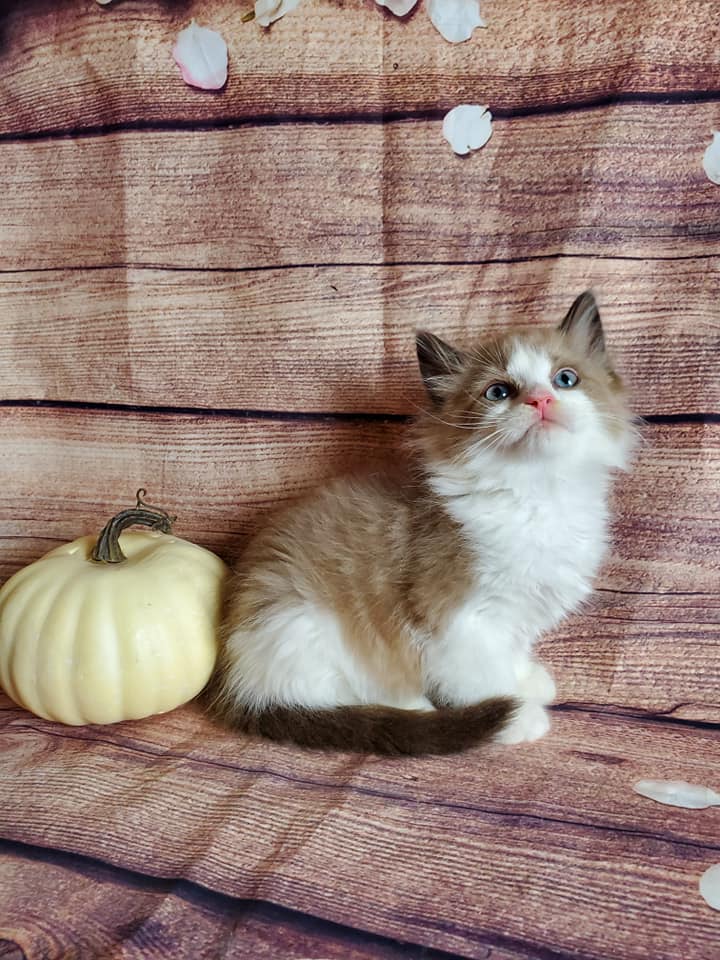
How to Prepare Your Home for a New Ragdoll Kitten
Bringing home a Ragdoll kitten is an exciting step, especially when you have prepared a safe, comfortable place for the newest member of your family. Ragdolls are known for their gentle personalities, affectionate nature, and striking blue eyes, but every kitten still needs time to adjust to unfamiliar sounds, scents, and routines.
A little preparation before adoption helps your kitten settle with less stress. Creating a quiet base camp, removing household hazards, and organizing food, litter, sleeping areas, and enrichment will give your new companion a confident beginning.
At Ragdoll Kittens Cattery, kittens are raised indoors in a cage-free family environment and handled daily for socialization. Even a well-socialized kitten benefits from a gradual transition into a new home.
Create A Calm Arrival Space
Choose a small, quiet room where your kitten can spend the first several days. A spare bedroom, office, or low-traffic bathroom can work well if it is clean, warm, and free from hazards. This area should include a bed, litter box, food and water dishes, scratching surface, and a few safe toys.
Keeping the initial space limited makes the home feel manageable. Your Ragdoll can learn the household sounds and routines before exploring every room. Spend relaxed time nearby, speaking softly and allowing the kitten to approach at its own pace.
Remove Household Hazards
Kitten-proofing should include more than checking the floor. Secure electrical cords, window blind strings, and dangling decorations. Close windows firmly, inspect screens, and block narrow gaps behind appliances or furniture where a curious kitten could become trapped.
Keep cleaning products, medications, essential oils, and small objects out of reach. Some houseplants can be toxic to cats, so identify every plant before your kitten arrives. Secure cabinets with childproof latches if they contain chemicals or other dangerous items.
Ragdolls are often calm and people-oriented, but their trusting nature does not prevent accidents. Check recliners, sofas, washing machines, and dryers before use, since kittens may hide in warm or enclosed spaces.
Organize Food, Water, And Litter
Ask the cattery which food your kitten is currently eating and maintain that diet during the first days whenever possible. A sudden change can cause digestive upset during an already unfamiliar transition. If you plan to change foods, make the change gradually and discuss it with your veterinarian.
Place food and water away from the litter box. Wide, shallow dishes may be more comfortable for a kitten’s face and whiskers, while a sturdy water bowl helps prevent spills. Some cats enjoy a fountain, but introduce it calmly rather than making it the only water source.
Provide a low-sided litter box that is easy for a young kitten to enter. Unscented litter is often a sensible starting point. With a larger Ragdoll breed, plan to upgrade to spacious boxes as your kitten grows.
Select Safe Comfort And Enrichment Items
Ragdoll kittens need places to rest, scratch, climb, and play. Choose washable bedding, a stable scratching post, and toys without loose parts, sharp edges, or detachable strings. Wand toys are useful for supervised play, but store them away after each session.
A cat tree can provide exercise and a secure observation point. Select one with a broad, stable base so it cannot tip when your kitten climbs. Keep elevated furniture away from open windows and other fall risks.
The following setup guide can help you organize the essential supplies before pickup day:
| Area | Useful Supplies | Preparation Tip |
|---|---|---|
| Sleeping | Washable bed, soft blanket, covered hideaway | Place in a quiet corner away from drafts |
| Feeding | Kitten food, shallow bowls, fresh water | Keep meals separate from the litter box |
| Litter | Low-entry box, unscented litter, scoop | Start with familiar litter when possible |
| Scratching | Vertical post, cardboard scratcher | Put one near the sleeping area |
| Play | Soft balls, kicker toys, supervised wand toy | Avoid loose threads and tiny removable parts |
| Safety | Cord covers, window locks, cabinet latches | Inspect the room from a kitten’s eye level |
Build Trust Through Gentle Socialization
Your kitten may be ready to interact, yet still need quiet periods for sleep. Young cats spend considerable time resting, so provide uninterrupted naps and avoid passing the kitten from person to person during the first day.
Introduce household members gradually. Children should sit on the floor, use calm voices, and allow the kitten to come closer rather than chasing or lifting it. Other pets should be introduced slowly through scent exchange, closed-door separation, and brief supervised meetings when everyone is relaxed.
Daily play and gentle handling can support confidence. Touch paws, ears, and the carrier calmly for short periods, using praise and treats when appropriate. This can make future grooming, nail care, and veterinary visits easier.
Prepare For Grooming And Veterinary Care
Ragdolls have semi-long coats that benefit from regular brushing. Begin with short, pleasant sessions using a soft brush, especially around areas that may tangle. Reward cooperation and stop before the kitten becomes frustrated. Routine brushing also gives you an opportunity to notice changes in the skin or coat.
Before arrival, select a veterinary practice and purchase a secure, well-ventilated carrier. Keep the carrier open in the kitten’s room with a familiar blanket inside so it becomes a comfortable resting place rather than a symbol of travel.
Discuss vaccination schedules, parasite prevention, nutrition, and spay or neuter timing with your veterinarian. Responsible breeders and catteries may provide health information and records. Ragdoll Kittens Cattery emphasizes screening for HCM, FIV, FeLV, and feline heartworm disease, so keep all supplied documentation available for your kitten’s veterinary team.
Complete The Final Home Check
Walk through the home shortly before bringing your kitten back. Look under furniture, behind doors, and along baseboards for hazards that may have been missed. Confirm that the arrival room is ready, the litter box is accessible, and food and water are fresh.
A simple checklist can make the transition more organized:
- Set up a quiet kitten room with bedding and hiding space
- Secure cords, windows, cabinets, plants, and small objects
- Prepare familiar food, clean water, and an easy-entry litter box
- Buy a stable scratching post, safe toys, and a sturdy carrier
- Schedule a veterinary visit and keep health records together
Once your Ragdoll kitten is comfortable, expand access to the rest of the home one area at a time. Maintain predictable meals, play sessions, grooming, and rest so your kitten can build confidence through familiar routines.
When you are ready to welcome a purebred Ragdoll into your family, contact Ragdoll Kittens Cattery to learn about available kittens, colors, markings, temperament, and the adoption process. A thoughtfully prepared home gives your new companion a secure place to grow into a loving pet or therapy cat.