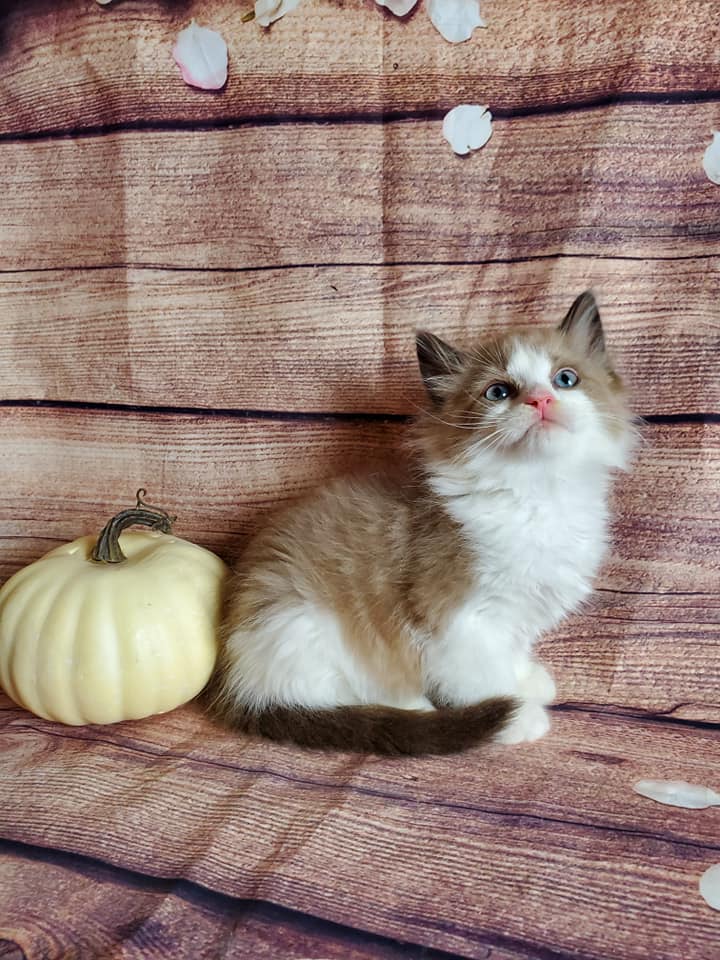
Welcoming a Ragdoll Kitten: Your Home Preparation Guide
Bringing a Ragdoll kitten into your Australian home is an exciting milestone, and a little thoughtful preparation makes the transition smooth for everyone. Ragdolls are known for their gentle, sociable nature, often following family members from room to room and settling into a calm household routine. Because they are indoor-focused companions, the environment you create matters as much as the love you offer. Before the big arrival day, a few practical steps will help your new kitten feel safe, secure and ready to bond with you.
Australians love their pets, with cats ranking among the most popular companions in cities like Sydney, Melbourne, Brisbane and Perth. Apartment living is common in our inner suburbs, and many rental properties have specific pet clauses worth checking before adoption. Setting up your home properly also means understanding the local climate, from warm Gold Coast summers to chilly Hobart winters, so your kitten stays comfortable year-round.
Creating a Safe and Cosy Welcome Room
Designate a quiet room for your kitten's first few days, such as a spare bedroom or a small study. This space should include a comfortable bed, a litter tray placed away from food bowls, and a few hiding spots like a cardboard box or cat cave. Ragdolls are famously relaxed, but a new environment can feel overwhelming, and a smaller starting space helps them adjust without overstimulation.
Keep the room at a steady, comfortable temperature. In Tasmania or Melbourne's winter, a gentle heater or heated pet bed can make a real difference, while in Darwin's tropical climate, good airflow and air conditioning prevent overheating. Make sure windows are secure and any cords from blinds or curtains are tucked away, as inquisitive kittens often see dangling strings as irresistible toys.
Kitten-Proofing Indoor and Outdoor Spaces
Ragdolls are typically kept indoors, but that does not mean your home is automatically safe. Walk through each room and remove hazards such as loose electrical cables, small rubber bands, string, thread, or hair ties that could be swallowed. Secure heavy bookshelves and tall furniture so a climbing kitten cannot pull them over. Many Australian homes feature louvre windows, which should be locked firmly to prevent escapes.
If you have a balcony, a cat-safe mesh enclosure is a worthwhile investment, especially in high-rise buildings in places like Brisbane's CBD or Melbourne's Southbank. Check your potted plants too, as common varieties such as lilies, azaleas and philodendrons are highly toxic to cats. Swap these for pet-friendly alternatives like spider plants, Boston ferns or cat grass, which most Ragdolls enjoy nibbling.
Stocking Up on Essential Supplies
A well-prepared shopping list saves stress on the day your kitten arrives. You will need high-quality kitten food, ceramic or stainless-steel bowls, a covered litter tray, clumping litter, a sturdy scratching post, and a variety of toys. Many Australian pet owners shop at Petbarn, Petstock or their local independent pet store, where staff can advise on products suited to long-haired breeds.
Ragdolls have semi-long fur that benefits from early grooming habits. A soft brush, a wide-toothed comb and a small packet of treats for positive reinforcement are smart additions. You might also consider a tall cat tree, as Ragdolls enjoy perching up high to observe their surroundings. Place the scratching post near the kitten's sleeping area, as cats often stretch and scratch when they first wake.
Introducing Other Family Members and Pets
Slow introductions are the foundation of a peaceful multi-pet household. Keep your new kitten separated from resident cats or dogs for the first few days, allowing scent swapping through a closed door using a shared blanket or toy. Supervised, brief face-to-face meetings can follow, gradually extending the time together as both animals show calm, curious behaviour.
Children should be taught to handle the kitten gently, supporting the body with two hands and avoiding the tail or ears. Ragdolls typically adore children and become wonderful therapy companions, a quality explored further in this guide to Ragdoll cats as emotional support animals. Resident dogs often accept a Ragdoll quickly, particularly when initial meetings happen on neutral ground with treats on hand for positive associations.
Setting Up Health Care and Veterinary Support
Find a local veterinarian before bringing your kitten home, ideally one experienced with pedigree cats. The Australian Veterinary Association can help you locate accredited clinics in your area, and many suburbs have cat-only practices offering quieter waiting rooms. Schedule a wellness check within the first week to confirm vaccinations, parasite control and microchipping details.
Ragdoll kittens should be screened for hypertrophic cardiomyopathy, feline immunodeficiency virus and feline leukaemia, with ongoing heart monitoring recommended. Keep your kitten indoors until vaccinations are complete, which also protects local wildlife such as native birds and possums. Register your address with your local council, as several Australian councils require cat registrations, and discuss desexing timing with your vet.
The most practical step is also the simplest: sit on the floor in your prepared room on arrival day, speak softly, and let your kitten approach you on their own terms. Patience during those first quiet hours builds the trust that turns a new arrival into a devoted lifelong companion.