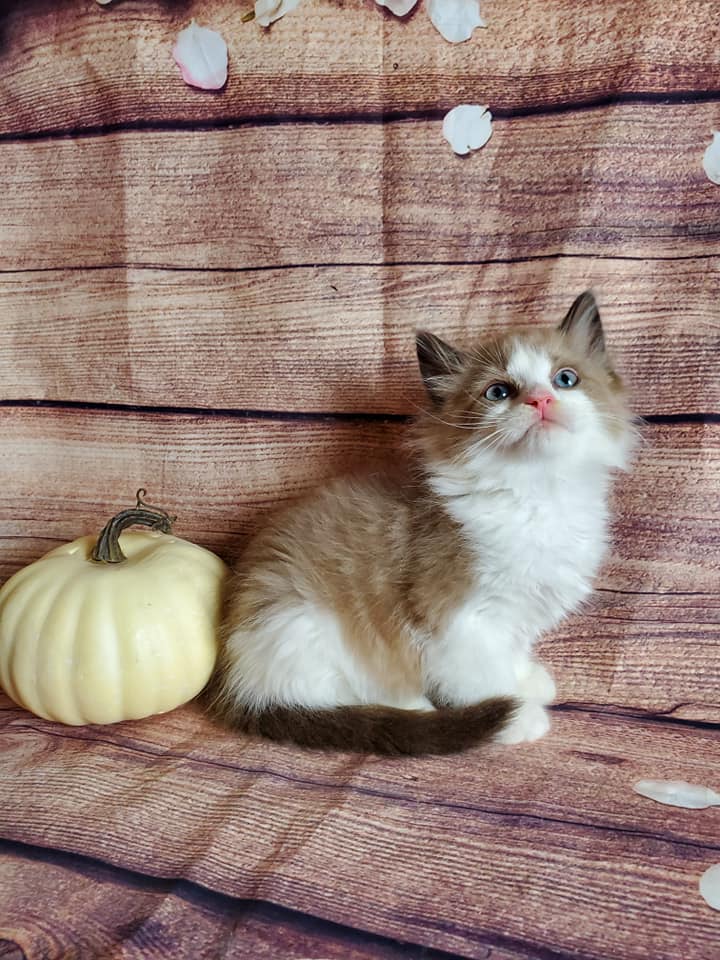
Preparing your Ragdoll for a cold indoor winter
Ragdolls are often described as the gentle giants of the cat world, with plush semi-long coats that feel like silk under your fingertips. Despite their thick fur, these blue-eyed companions are strictly indoor cats by nature, and they rely on their humans to create a warm, stable environment when outdoor temperatures plunge. Even in regions where winter means mild but chilly mornings, a Ragdoll that has spent its early weeks in a climate like Helena, Montana, will have known true sub-zero days and snowdrifts.
For Australian families who have adopted from a Northern Hemisphere cattery, the shift between hemispheres matters less than the indoor setup itself. A kitten raised in a cage-free, family environment where it was handled daily will already be accustomed to human schedules and indoor comforts. What changes, however, is how you prepare your home for the months when heating runs longer, windows stay closed, and humidity drops sharply inside.
Many Australian homes in Melbourne, Hobart, or the Adelaide Hills lack central heating, so a thoughtful approach to warmth and routine matters just as much as it would in a Montana winter. The principles below apply whether you live in a frosty Hobart suburb, a breezy Canberra winter, or a coastal Sydney apartment where the temperature dips lower than expected once the sun sets.
Understanding Ragdoll coats and cold tolerance
A Ragdoll's coat is dense and semi-long, designed by breeders over generations to be soft rather than weatherproof. Unlike a working barn cat, a Ragdoll does not have the oily undercoat that repels snow and moisture, so sitting near a drafty window or sleeping on cold tiles can leave them chilled. Their tolerance for cold is moderate at best, and young kittens or older cats feel the chill more keenly than adults in their prime.
Because the breed thrives on companionship, your kitten will naturally gravitate toward the warmest room in the house, often following family members from the living area to the bedroom at night. If you live in a Tasmanian valley or a regional Victorian town, you may notice your Ragdoll seeking sunpuddles by mid-morning and refusing to leave them until the afternoon. Honouring that instinct by keeping favourite sleeping spots warm and elevated is the first practical step toward a comfortable winter.
Creating warm retreats throughout your home
Layering your home with cosy textures makes a noticeable difference. Wool throws, fleece blankets, and heated pet mats placed on chairs, sofas, or near a window give your Ragdoll choices. Many Australian owners use the classic doona or a wool underlay on the bed, and adding a soft pet blanket to that arrangement invites your cat to snuggle without crowding pillows. Heated towel rails in bathrooms, a common feature in newer Australian builds, also provide gentle radiant warmth for short naps.
Position retreats away from cold draughts that sneak in under doors or through older window frames. If you have a fireplace, a guarded hearth with a soft bed nearby is a firm favourite, provided you never leave a fire unattended. In apartments where space is tight, a small cat tree placed near a sunny window during the day, then moved toward an interior wall for the evening, lets your Ragdoll follow the warmth as it shifts through the house.
Maintaining healthy humidity indoors
Cold air carries less moisture, and heated interiors can drop below 30 percent relative humidity, which is dry enough to irritate skin and coat. A Ragdoll's plush fur can become static-prone and brittle, and you may notice more shedding or small flakes along the back. Running a humidifier in the room where your cat spends most of its time keeps both respiratory passages and coat healthier through the season.
Place water bowls away from heating vents to slow evaporation, and consider adding a second source of fresh water in a different room. Some owners in drier parts of South Australia and inland New South Wales report that a shallow bowl of water near a heat source helps keep ambient moisture slightly higher, though a proper humidifier is more reliable. If you notice your cat sneezing or developing a dull coat, low humidity is often the cause rather than illness.
Adjusting diet and hydration in winter
Indoor cats burn slightly more calories staying warm in winter, but overfeeding is a common mistake. A measured portion of a quality protein-rich diet, with the option of a small warm treat such as a teaspoon of warmed wet food on cold mornings, helps your Ragdoll feel satisfied without tipping the scales. Fresh water remains essential, and many cats drink less when the water feels icy, so refreshing bowls twice daily encourages hydration. Some Australian owners find a ceramic bowl keeps water cooler in summer and warmer in winter than a metal one.
If your cat seems hungrier than usual, a quick check with your local vet can confirm whether the appetite increase matches the season or signals something else. The Australian Veterinary Association recommends body-condition scoring rather than relying on portion labels alone, which is especially helpful when daylight hours shorten and exercise naturally drops.
Exercise and play during shorter days
With daylight shrinking and outdoor access limited, your Ragdoll will rely on you for physical and mental stimulation. Short, frequent play sessions of five to ten minutes with wand toys, kick sticks, or puzzle feeders keep muscles engaged and prevent winter weight gain. If you find yourself documenting your cat's winter antics, a pet event gallery search can help you compare notes with other owners or locate your own pet's name in shared community albums.
Positioning a perch near a window where birds visit a feeder, placed far enough away that your cat watches but cannot reach, provides natural entertainment on grey days. Rotate toys weekly to maintain novelty, and end each session with a gentle grooming moment that doubles as bonding. For households in Brisbane or Perth where winters are mild, this routine still matters because indoor cats remain far less active when windows stay shut.
Grooming adjustments for the cold months
Ragdolls benefit from brushing two or three times a week, and winter is a good time to be consistent rather than aggressive. A stainless-steel comb removes loose undercoat without stripping the coat's insulating layer, which your cat actually needs against indoor chills. Avoid bathing unless genuinely necessary, as wet fur takes a long time to dry indoors and can leave your cat cold. Trim nails every few weeks, since less active play indoors means less natural wear.
Check paws regularly for any cracks or dryness, especially if your Ragdoll walks on cold tiles or near heating vents. A dab of paw balm designed for pets soothes minor roughness. Ears also deserve a quick weekly glance for wax build-up, which can rise as cats spend more time lying close to heating sources.
| Care aspect | Summer approach | Winter approach |
|---|---|---|
| Brushing frequency | Once weekly | Two to three times weekly |
| Hydration sources | Multiple cool bowls | Warmed wet food plus fresh water |
| Sleeping spots | Tiled floors, breezy corners | Layered throws, elevated warm beds |
| Play sessions | Longer outdoor-style games | Short bursts with puzzle feeders |
| Humidity focus | Air circulation | Humidifier or water bowls nearby |
A well-prepared indoor environment turns the coldest weeks into a calm, comforting season for your Ragdoll. Keep warmth layered, water fresh, humidity balanced, and play gentle but regular, and your cat will reward you with quiet companionship through every grey morning and snowy evening that the season brings.