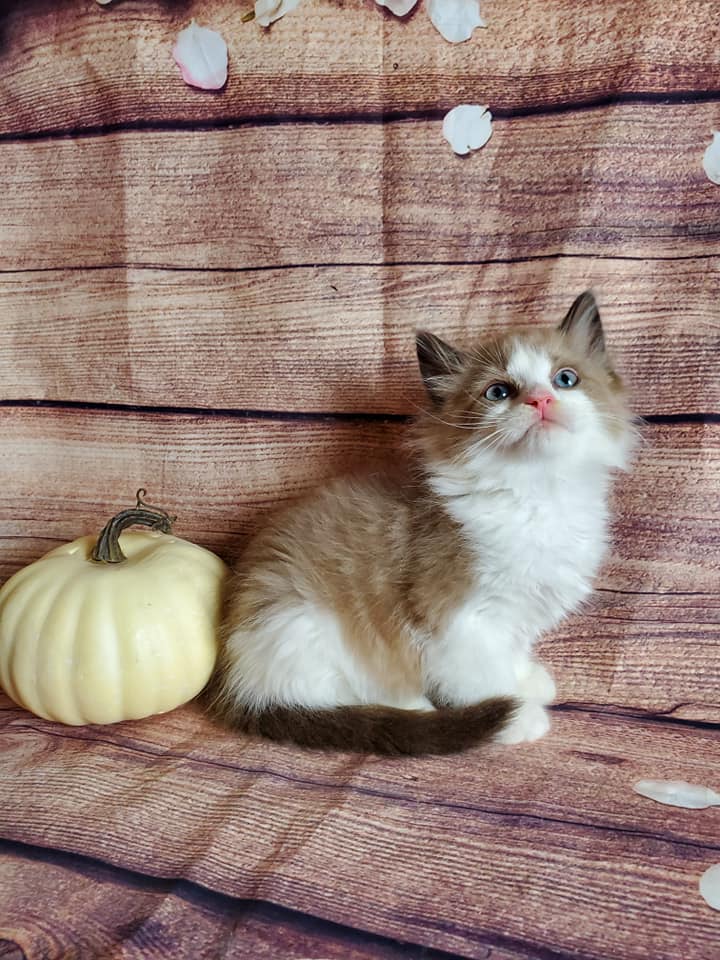
How to Provide Enrichment for an Indoor Ragdoll Cat
Ragdoll cats are known for their gentle nature, striking blue eyes, and affectionate relationship with people. Their calm personality can make them excellent indoor companions, but a relaxed temperament does not remove their need for play, exploration, and daily mental stimulation.
An enriched home gives a Ragdoll kitten or adult cat appropriate ways to climb, scratch, hunt, observe, and interact. These activities support healthy movement and help prevent boredom-related behaviors such as excessive vocalizing, overgrooming, or scratching furniture.
Because Ragdolls are social and often enjoy following their people, enrichment should include both independent activities and shared time. A thoughtful routine can keep an indoor cat physically active while preserving the peaceful family environment this breed appreciates.
Build A Safe Indoor Adventure
Start by viewing your home from a cat’s perspective. A sturdy cat tree near a window creates a place to climb, stretch, nap, and watch birds or passing activity. Ragdolls are often larger than other domestic cats, so choose furniture with a broad base, secure platforms, and enough room for comfortable movement.
Window perches, shelves, and padded resting areas add useful vertical space. Place them away from unsafe screens, cords, or open windows. A screened enclosure or protected catio can provide fresh air and changing scents while keeping an indoor cat safe from traffic, predators, and contagious diseases.
Create small retreat areas as well. Covered beds, cardboard boxes, and soft tunnels allow a cat to rest undisturbed. Even a friendly Ragdoll benefits from having a private space where household noise, visitors, or energetic children can be temporarily avoided.
Turn Playtime Into A Daily Routine
Interactive play works best when it resembles natural hunting behavior. Wand toys, feather teasers, and lightweight fabric toys can encourage a Ragdoll to stalk, chase, pounce, and bat. Move the toy unpredictably across the floor, behind furniture, and up a scratching post rather than waving it continuously in the cat’s face.
Several short sessions are usually more effective than one long workout. A morning session, an evening play period, and a brief activity before bedtime can fit easily into a family schedule. Allow the cat to catch the toy periodically so play feels rewarding rather than frustrating.
Rotate toys every few days to maintain novelty. Store string toys and wand attachments securely after use because loose cords can be swallowed. Avoid using hands or feet as play objects, since teaching a kitten to bite people can create difficult habits later.
Match Enrichment To Your Cat’s Personality
Every Ragdoll has individual preferences. Some cats enjoy climbing and chasing, while others prefer puzzle feeders, gentle training, or watching activity from a sunny perch. Observe which toys hold attention and which situations cause hesitation, then adapt the environment gradually.
Food-based enrichment can make ordinary meals more engaging. Treat balls, lick mats designed for cats, snuffle-style feeding toys, and simple puzzle dishes encourage problem-solving. Begin with easy designs and supervise the first attempts so the cat does not become discouraged.
Training is another useful form of mental exercise. Ragdolls can learn to respond to their name, touch a target, enter a carrier, or sit for a treat. Use small rewards and short sessions. Positive reinforcement builds confidence and strengthens the bond between cat and caretaker.
| Enrichment option | Main benefit | Good starting point |
|---|---|---|
| Wand toy | Exercise and hunting practice | Five-minute supervised session |
| Window perch | Visual stimulation and resting space | Secure perch with a soft mat |
| Food puzzle | Problem-solving and slower eating | Easy puzzle with part of a regular meal |
| Cat tree | Climbing, stretching, and observation | Stable tree with wide platforms |
| Cardboard box or tunnel | Exploration and retreat | Rotate locations weekly |
| Clicker or target training | Mental stimulation and cooperation | One simple behavior at a time |
Make The Home Interesting Without Overwhelming It
Enrichment does not require filling every room with equipment. Changing the location of a tunnel, introducing a paper bag without handles, or placing a new cardboard box near a favorite area can create a fresh experience. Rotate items instead of presenting everything at once.
Scent enrichment should be used carefully. Cat-safe herbs such as silvervine or catnip appeal to some individuals, while others show little interest. Offer a small amount in a controlled setting and remove it if the cat becomes overstimulated. Never use concentrated essential oils around cats, as many are toxic to them.
Sound and visual stimulation can also be helpful. A bird-viewing window, calm nature video, or gentle household activity may keep an indoor Ragdoll engaged. Give the cat the option to move away, especially if unfamiliar noises or visitors create stress.
Support Social Connection
Ragdolls commonly enjoy human companionship, so enrichment should include calm interaction. Grooming, gentle petting, talking, and sitting together can be meaningful activities, particularly for a cat that prefers people to solitary play. Daily handling also makes routine care more comfortable.
Teach children to approach slowly and allow the cat to leave. A Ragdoll’s docile behavior should never be mistaken for unlimited tolerance. Supervised play with appropriate toys helps children participate safely while protecting the cat’s comfort.
If a household is empty for long periods, independent enrichment becomes especially important. Leave safe toys, rotating resting areas, and a food puzzle, then provide focused interaction when you return. A second pet is not automatically the right solution; introductions should be considered carefully based on health, temperament, and available space.
Keep Enrichment Healthy And Safe
Inspect cat trees, scratching posts, toys, and shelves regularly. Replace loose parts, frayed fabric, or unstable equipment. Keep toxic plants, medicines, small objects, and accessible electrical cords out of reach. Because Ragdolls can be substantial in size, test that platforms and furniture remain stable during energetic movement.
Enrichment should complement veterinary care, balanced nutrition, parasite prevention, and regular health monitoring. If a cat suddenly loses interest in play, hides more often, changes eating habits, or becomes unusually vocal, arrange a veterinary evaluation rather than assuming boredom is the cause.
Helpful habits for a stimulating indoor life include:
- Schedule two or three short interactive play sessions each day.
- Provide a stable cat tree, scratching surface, and secure observation spot.
- Use puzzle feeding with measured portions from the cat’s regular diet.
- Rotate toys and boxes while removing damaged or unsafe items.
- Pair enrichment with gentle handling, grooming, and positive training.
A well-planned home gives an indoor Ragdoll opportunities to express natural behaviors while enjoying the security of family life. For families considering a healthy, well-socialized companion, Ragdoll Kittens Cattery in Helena, Montana, raises purebred Ragdoll kittens indoors in a cage-free environment with daily handling and attention to health screening. Explore the breed information and adoption details to find a loving kitten suited to your household.