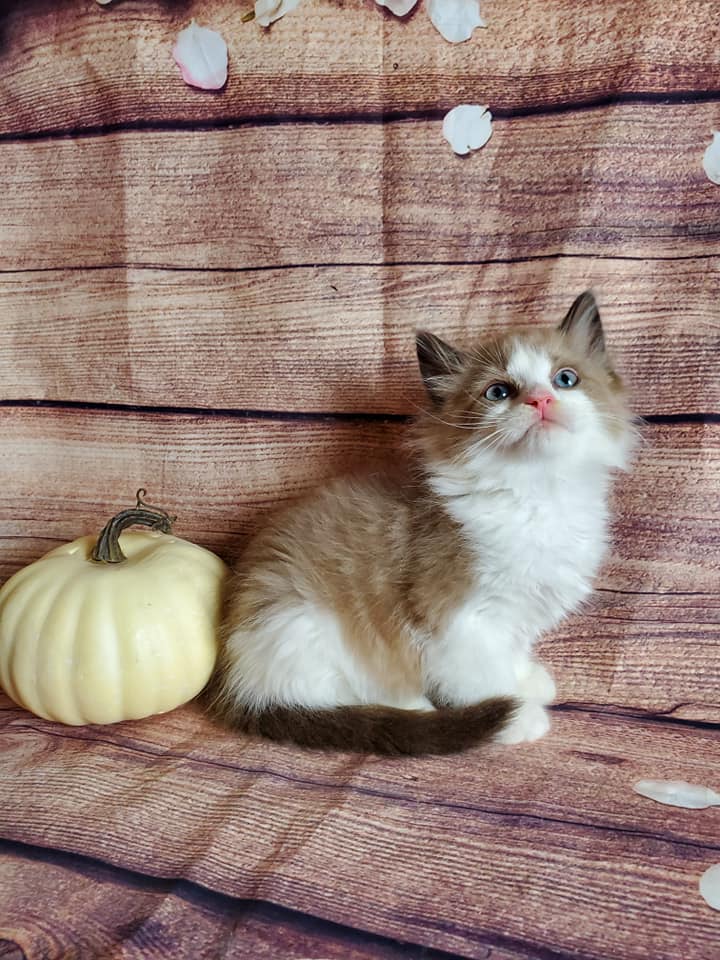
How to recognize a happy and content Ragdoll cat
Ragdoll cats are known for their gentle nature, affectionate behavior, and relaxed approach to family life. While every cat has an individual personality, a content Ragdoll usually communicates comfort through a combination of body language, daily habits, social interest, and a healthy appetite.
Learning these signals helps owners distinguish ordinary breed traits from signs that a cat may be stressed or unwell. A quiet cat is not necessarily unhappy, and a vocal cat is not necessarily distressed. The most useful clues come from changes in behavior and the overall pattern of the cat’s interactions.
Look for relaxed body language
A happy Ragdoll often appears physically at ease. You may see a loose posture, softly folded paws, a gently curved tail, or a cat stretched out on its side or back. Some Ragdolls enjoy being held and may relax heavily in your arms, although each cat should be allowed to choose how much handling feels comfortable.
Soft eyes and slow blinks are also positive signs. When a cat looks at you and gradually closes its eyes, it is often showing trust. A relaxed face, forward-facing ears, and whiskers resting naturally to the sides suggest that the cat feels secure in its surroundings.
Notice affectionate social behavior
Content Ragdolls frequently choose to remain near their people. They may follow family members from room to room, sit beside someone on the sofa, rest at their feet, or greet them at the door. This companionship does not always involve constant lap sitting. Simply choosing to share space can be a meaningful sign of attachment.
Purring, kneading, head bunting, and gentle cheek rubbing are common expressions of comfort. A Ragdoll that nudges your hand for attention or settles beside you after a brief interaction is usually demonstrating confidence and affection. Still, purring can sometimes occur when a cat is anxious or in pain, so it should be considered alongside posture, appetite, energy, and other signals.
Healthy routines reveal emotional wellbeing
A settled Ragdoll generally maintains familiar routines. Regular eating, drinking, grooming, litter box use, sleeping, and play all help indicate that the cat feels comfortable. A content kitten may have energetic bursts followed by long naps, while an adult may prefer quieter games and extended periods of rest.
Playfulness is especially useful to observe. Chasing a wand toy, batting a soft ball, investigating a new box, or watching birds from a window shows curiosity and engagement. Ragdolls can be mellow, but a complete loss of interest in play or normal activities deserves attention, especially when it appears suddenly.
| Behavior | Usually reassuring | Worth monitoring |
|---|---|---|
| Interaction | Seeks company or calmly stays nearby | Hides much more than usual |
| Body posture | Loose, stretched, or comfortably curled | Crouched, tense, or constantly tucked away |
| Appetite | Eats and drinks according to normal habits | Refuses food or drinks noticeably more or less |
| Grooming | Maintains a clean, soft coat | Neglects grooming or overgrooms one area |
| Play | Shows curiosity and occasional activity | Loses interest in familiar toys |
| Vocalization | Uses normal greetings or soft communication | Develops persistent, distressed, or unusual cries |
Consider the setting and the individual cat
A Ragdoll’s behavior is shaped by its environment, early socialization, age, health, and personal temperament. Kittens raised indoors in a cage-free family setting often become accustomed to household sounds, gentle handling, and daily human interaction. Even so, a newly adopted kitten may need time to adjust to unfamiliar rooms, pets, scents, and schedules.
At Ragdoll Kittens Cattery, kittens are handled daily to support positive social experiences, but responsible owners should continue that progress patiently. Provide quiet retreat spaces, predictable meals, safe climbing options, scratching areas, and calm opportunities for play. A cat that can approach people and withdraw when needed is more likely to feel secure.
Separate contentment from potential health concerns
Some behaviors that look like personality changes can be early health warnings. A normally social Ragdoll that hides, stops grooming, sleeps far more than usual, or avoids touch may be uncomfortable. Other concerns include repeated vomiting, diarrhea, breathing changes, difficulty urinating, sudden weight loss, or a significant change in appetite.
Ragdolls benefit from attentive preventive care because a calm temperament can make subtle problems easy to miss. Health-focused breeders screen for important conditions such as hypertrophic cardiomyopathy, FIV, FeLV, and feline heartworm disease. Veterinary examinations, appropriate testing, dental care, vaccinations, and regular weight checks help protect long-term wellbeing.
Support the behaviors that build trust
A happy cat is more likely to remain confident when its needs are met consistently. Use gentle handling, reward friendly behavior, and avoid forcing a Ragdoll to stay in your lap or interact with visitors. Respecting boundaries strengthens trust and allows affection to develop naturally.
Helpful daily practices include:
- Keep meals, litter care, and play sessions on a predictable schedule.
- Offer several comfortable resting places, including a quiet retreat.
- Use interactive toys to encourage movement and natural hunting behavior.
- Brush the coat gently and check ears, paws, teeth, and skin during calm moments.
- Track changes in appetite, weight, grooming, energy, and social behavior.
When these habits are part of daily life, owners can recognize what is normal for their particular cat. A cheerful greeting, relaxed posture, bright curiosity, and steady routines together provide a much clearer picture than any single behavior.
If you are looking for a well-socialized Ragdoll kitten to join your household as a loving companion or therapy cat, explore the available information from Ragdoll Kittens Cattery. Learn about colors, markings, breed traits, health screening, and the adoption process before welcoming a kitten into your family.